12-Volt Car Battery Failure: The Heat, Warning Signs, and Test Plan
A driver-focused workflow for spotting weak 12-volt batteries, heat stress, parasitic drains, jump-start risks, and replacement timing.
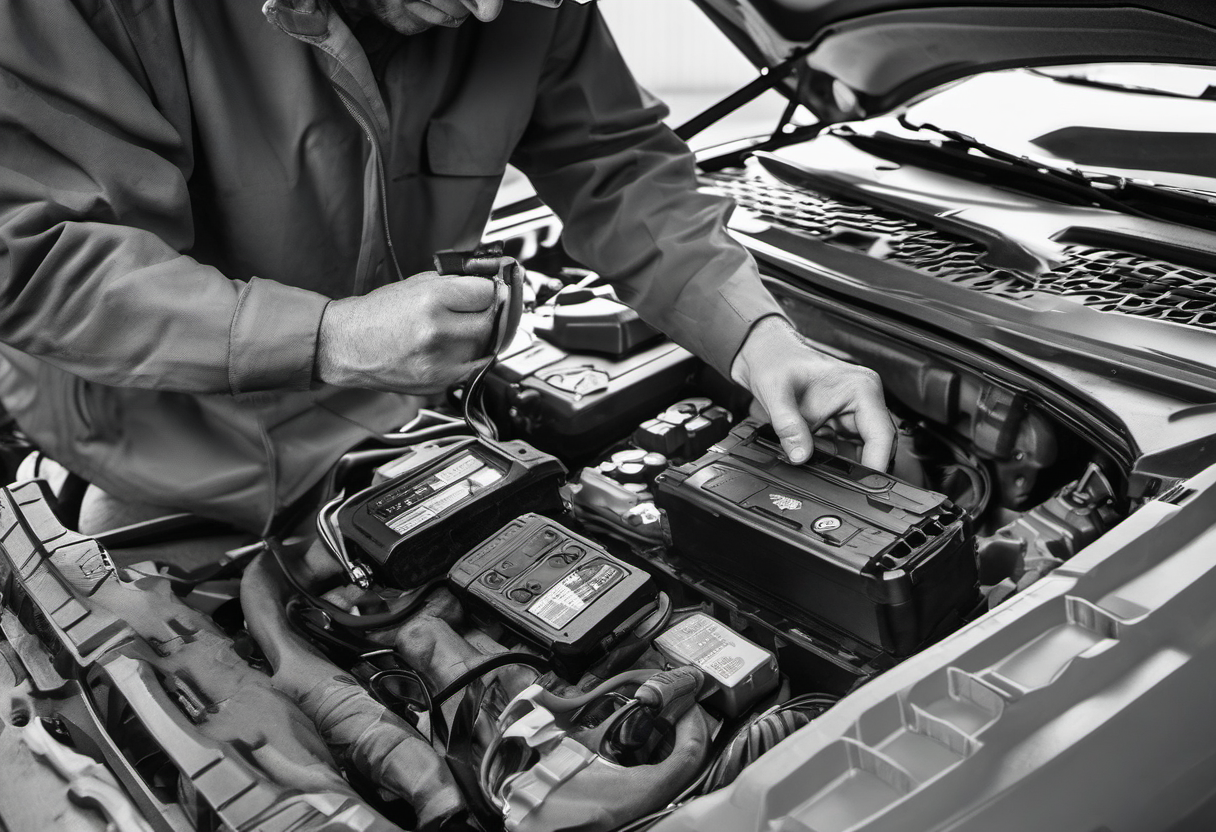
A weak 12-volt battery rarely fails at a convenient time. It fails after a hot parking lot, a short-trip week, a forgotten dome light, a cold morning, or an airport trip when the car has sat long enough for a parasitic load to matter. This guide turns battery anxiety into a practical maintenance workflow: observe symptoms, test before replacing, avoid unsafe jump-start habits, and schedule replacement before the battery chooses the day.
Quick decision rule: if a vehicle cranks slowly twice, needs a jump, or shows low-voltage warnings, test the battery and charging system the same week. Do not wait for the next no-start.
Heat ages batteries before cold exposes them
Drivers often blame winter because engines are harder to crank in cold weather, but heat is a major aging force. High under-hood temperature accelerates chemical degradation and water loss in many lead-acid designs. The battery may survive summer and then fail when cold oil, higher starter demand, and reduced chemical output arrive. That is why a car in a hot climate can need battery attention even if it never sees snow.
Short trips add another stress. Starting consumes energy, and a five-minute drive may not replace it. Add phone charging, heated seats, defrosters, alarms, dash cams, and stop-start systems, and the low-voltage system spends more time near the edge. The pattern matters more than a single drive: repeated short trips plus heat plus age is the classic failure recipe.

Warning signs to log
Slow cranking is the obvious sign, but modern vehicles can be subtle. Watch for dim interior lights during startup, infotainment resets, start-stop unavailable messages, keyless-entry oddities, repeated clock resets, low-voltage warnings, or a battery light that appears while driving. On some cars, a weak battery triggers unrelated-looking electronic behavior because modules are sensitive to voltage dips.
Write down when symptoms occur. First start of the day suggests reserve capacity. Trouble after errands may point to heat soak or charging issues. Failure after sitting several days raises the possibility of parasitic draw. A single note can save diagnostic time because “it sometimes starts weird” is less useful than “slow crank after two days parked, outdoor temperature about ninety degrees.”
Test before buying
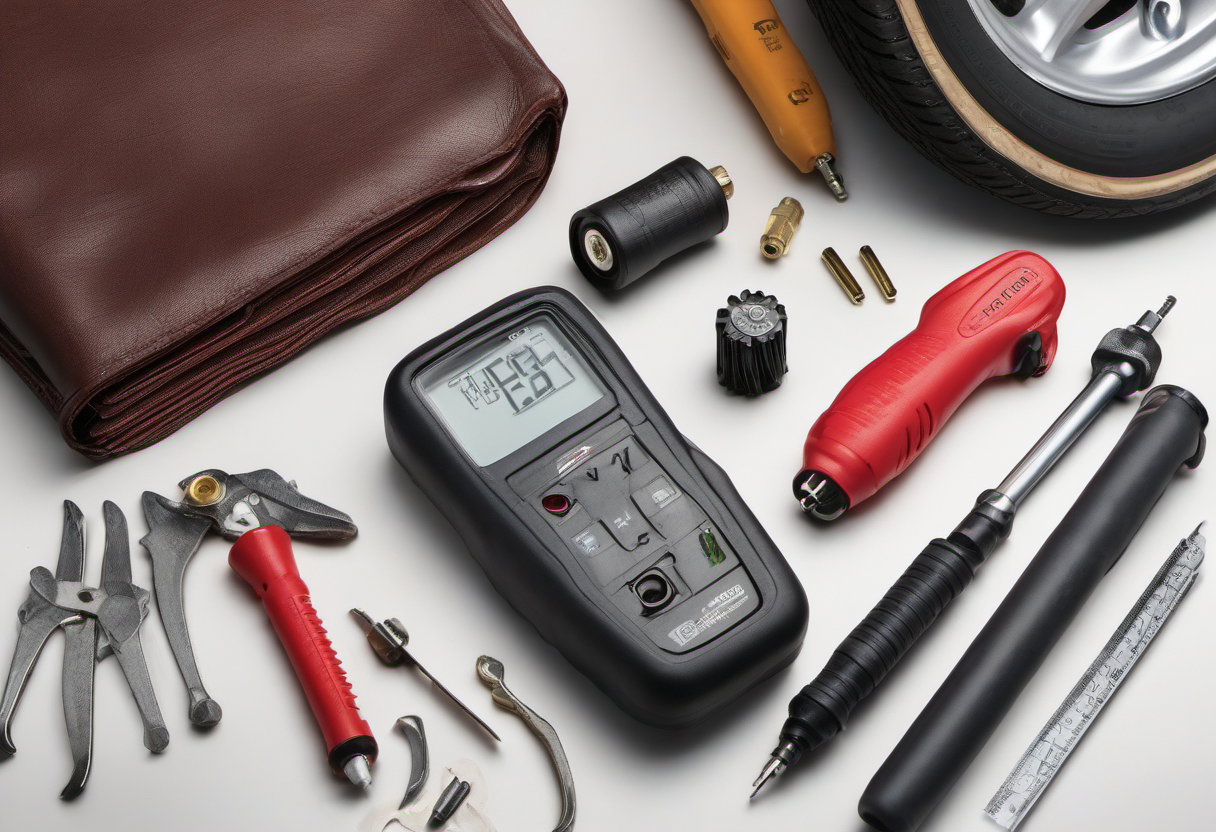
A resting voltage check is useful but incomplete. A professional load test or conductance test gives a better view of available cranking power and state of health. The charging system also needs attention: alternator output, belt condition, terminals, grounds, and battery management sensors can all affect the result. Replacing a battery without checking charging can hide the real issue until the new battery is damaged.
For do-it-yourself checks, inspect the case for swelling or leakage, look for corrosion at terminals, confirm clamps are tight, and verify the battery is the correct type and rating for the vehicle. Absorbent glass mat batteries, flooded batteries, start-stop systems, and coded battery registration requirements differ by model. When the owner manual says the car needs a specific type or registration procedure, treat that as a requirement, not a suggestion.

Jump-start safety and portable packs
Jump-starting is a recovery tactic, not a diagnosis. Follow the owner manual, especially on hybrids, EVs, and vehicles with remote jump posts. Connect in the recommended order, keep clamps away from moving parts, and avoid leaning over the battery. If the battery is cracked, frozen, leaking, swollen, or smells strongly of sulfur, do not jump it. Call roadside help instead.
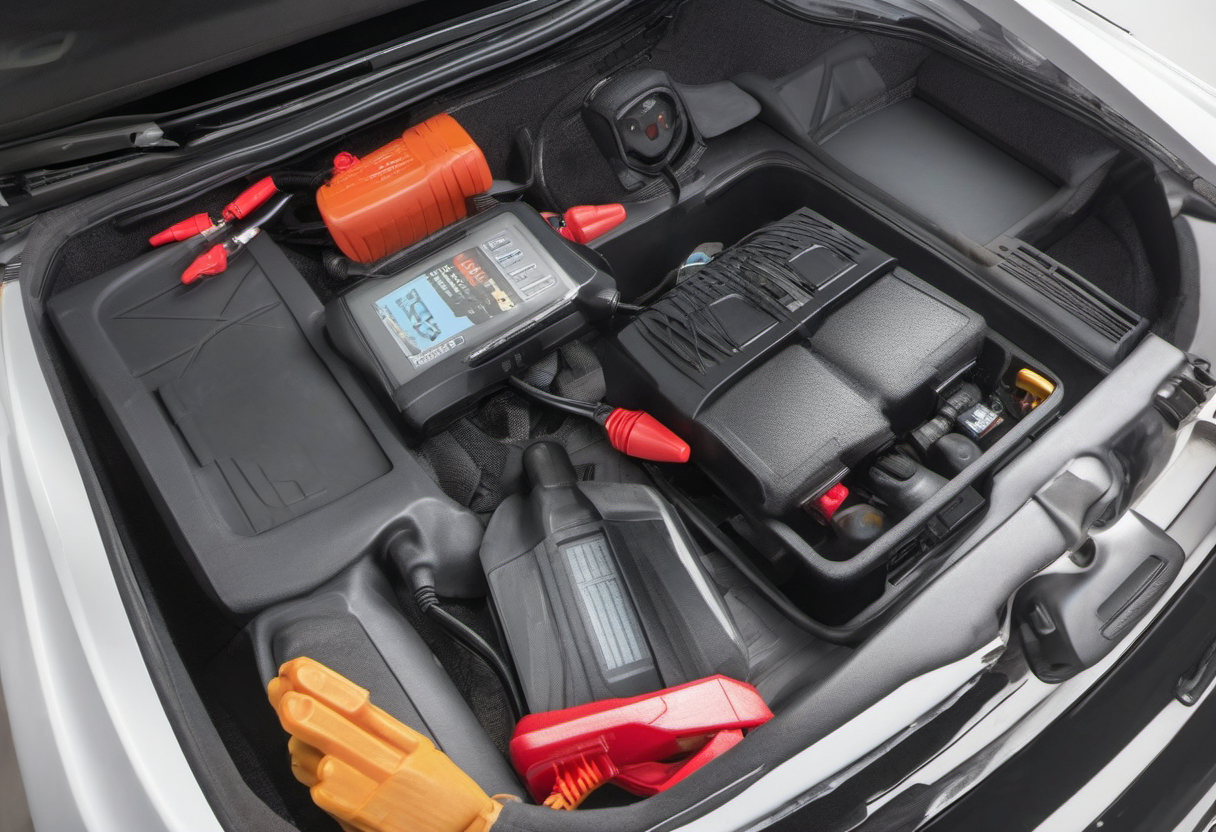
Portable jump packs are useful, but they create false confidence when left discharged in the trunk. Charge the pack on a schedule, store it away from extreme heat when possible, and use one sized for the engine. A pack that starts a compact car may not be enough for a large truck in winter. After any jump, drive or charge long enough to recover, then test. If the car needed a jump once, it has already earned an inspection.
EVs and hybrids still need low-voltage attention
Electric and hybrid vehicles may not crank an engine in the traditional way, but many still depend on a 12-volt battery to wake computers, close contactors, run locks, and enable the high-voltage system. A low-voltage failure can leave an EV looking completely dead even when the main traction battery has charge. Owner-manual procedures matter because jump points, charging behavior, and replacement steps can differ significantly.
If an EV or hybrid shows repeated low-voltage warnings, do not assume software is the only cause. Check for service bulletins, battery age, charging habits, and accessory loads. Dash cams hardwired incorrectly can drain low-voltage batteries just as they can in gasoline vehicles.
Replacement timing
Age alone is not a perfect rule, but it is a useful trigger for testing. In hot climates or high-accessory vehicles, test annually once the battery is a few years old. Replace promptly when testing shows low state of health, when slow-crank symptoms repeat, or when the case or terminals show unsafe conditions. If you are planning a long road trip with an old marginal battery, replacement before the trip is cheaper than roadside failure.
Keep the receipt and installation date. Many drivers forget how old the battery is because the label faces the fender or the car was bought used. A simple maintenance note prevents guessing later.
A one-page checklist
| Step | What to check | Decision trigger |
|---|---|---|
| Observe | Slow crank, resets, warnings, sitting time | Repeated symptoms require a test |
| Inspect | Terminals, case, clamps, battery type | Damage or swelling means stop and get help |
| Test | Battery state of health and charging output | Replace or repair based on test, not guesswork |
| Prepare | Jump pack charged, owner-manual procedure known | After any jump, test the system |
What not to overbuy
A premium battery cannot fix a parasitic drain, loose ground, or failing alternator. A giant jump pack cannot make an unsafe battery safe. A battery maintainer helps cars that sit, but it must be matched to the battery type and used according to instructions. Spend first on diagnosis and correct fitment. Accessories come after the system is understood.
Good maintenance is boring: know the battery age, test before peak seasons, keep terminals clean, respect jump-start safety, and replace before repeated symptoms become a tow bill.
Parasitic drain: when the battery is not the villain
If a good battery repeatedly dies after the vehicle sits, look for parasitic drain before buying another one. Common causes include glove-box lights, aftermarket alarms, hardwired dash cams, stuck relays, modules that do not sleep, and accessories plugged into always-on outlets. Diagnosis may require a technician because modern vehicles can take time to enter sleep mode and can be disturbed by opening doors or connecting meters incorrectly.
The practical owner step is pattern recognition. Does the problem appear only after three parked days? Did it start after an accessory installation? Does locking the car change the outcome? Does the battery stay healthy when disconnected or placed on a maintainer? Those details help separate a weak battery from an electrical load that keeps draining any battery installed.
Terminal corrosion and grounds
White or blue-green corrosion around terminals can increase resistance and mimic a weak battery. Loose clamps can do the same. Cleaning should be done with eye protection, gloves, and the correct procedure for the vehicle. Some cars have battery monitoring sensors on the negative cable; damaging or bypassing them can create charging problems. If you are unsure, let a shop clean and test the connections.
Ground straps are easy to overlook. A corroded engine or chassis ground can cause slow cranking, strange electronics, and intermittent no-start conditions even when the battery tests acceptably. That is why a complete diagnosis checks the circuit, not just the box with the battery label.
Road-trip preparation
Two weeks before a long trip, test any battery that is old, slow, or unknown. Waiting until the night before leaves no time to handle a warranty issue, correct battery registration, or investigate charging problems. Pack the jump pack only after charging it, and keep the owner manual accessible in case the vehicle uses remote jump posts. If the battery is marginal and the route includes heat, mountains, remote areas, or family travel, planned replacement is the conservative choice.
Disposal and warranty discipline
Old lead-acid batteries should be returned through proper recycling channels, not stored in a garage corner. Most retailers charge a core deposit specifically to encourage return, and recycling keeps lead and acid out of household waste. Keep the warranty receipt with the installation date because premature failure may be covered, but only if the battery type, use, and testing history make sense. A warranty swap without fixing charging or drain problems can simply start the same failure cycle again.