Brake Fluid Moisture: The Maintenance Check Drivers Should Not Ignore
NHTSA standards, owner-manual logic, and shop workflow for understanding brake fluid moisture, warning signs, testing, and service timing.
Brake fluid is easy to ignore because it does not wear like a tire or announce itself like a dead battery. Yet hydraulic brakes depend on fluid that can transmit pressure, tolerate heat, protect internal parts, and remain compatible with seals. Many common DOT brake fluids are hygroscopic, meaning they can absorb moisture over time. That moisture can lower boiling performance and contribute to corrosion. This guide gives drivers a practical workflow: understand the owner manual, inspect the reservoir without contaminating it, recognize symptoms, ask for the right tests, and avoid unsafe do-it-yourself shortcuts.
1. Understand why moisture matters
Brake systems convert pedal force into hydraulic pressure. The fluid must stay stable during normal stops, repeated traffic braking, mountain descents, towing, and emergency braking. Moisture reduces the safety margin because it can lower boiling performance and accelerate corrosion inside calipers, lines, master cylinders, and ABS components. Federal standards define performance requirements for new brake fluids, but the fluid in a vehicle ages in a real environment of heat cycles and time.
This is why brake-fluid maintenance should not be based on color alone. Dark fluid can be a clue, but moisture content, contamination, service records, and manufacturer intervals matter more. A car can feel normal during an easy commute and still have less margin during a long downhill stop. Treat brake fluid as a safety item with a maintenance history, not as a generic liquid to top off when the reservoir looks low.
2. Inspect without contaminating the system
Start with a visual inspection through the reservoir if possible. Check the level against the markings, note any warning lights, and look for leaks around wheels, brake lines, the master cylinder, and under the car. Do not casually open the cap in a dusty garage just to satisfy curiosity. Brake fluid absorbs moisture, and dirt introduced at the reservoir can create problems in expensive hydraulic parts.
A low reservoir is not automatically a sign that the car simply needs more fluid. As brake pads wear, the fluid level can drop because caliper pistons sit farther out. A sudden or continuing drop can signal a leak. Repeated topping off may hide pad wear or hydraulic failure. If the brake warning light appears, the pedal feels soft, or the level falls quickly, stop treating the issue as routine maintenance and arrange a proper inspection.
3. Ask for the right test
A shop can test brake-fluid condition with equipment appropriate to the fluid type and vehicle. Moisture testers, boiling-point tools, and service information are more useful than a quick glance. Ask what was measured, what threshold was used, and whether the recommendation matches the owner manual. Cheap consumer testers can be helpful for screening, but they are easy to contaminate or misread, and they do not replace a complete brake inspection.
Service records matter. If a used vehicle has no brake-fluid history, the conservative plan is to inspect the whole brake system and compare the vehicle’s interval to current condition. Severe use—mountain driving, towing, heavy traffic, track events, humid climate, or long storage—can make time-based service more important. The safest decision combines the manual, testing, symptoms, and the vehicle’s actual life.
4. Match service to the vehicle
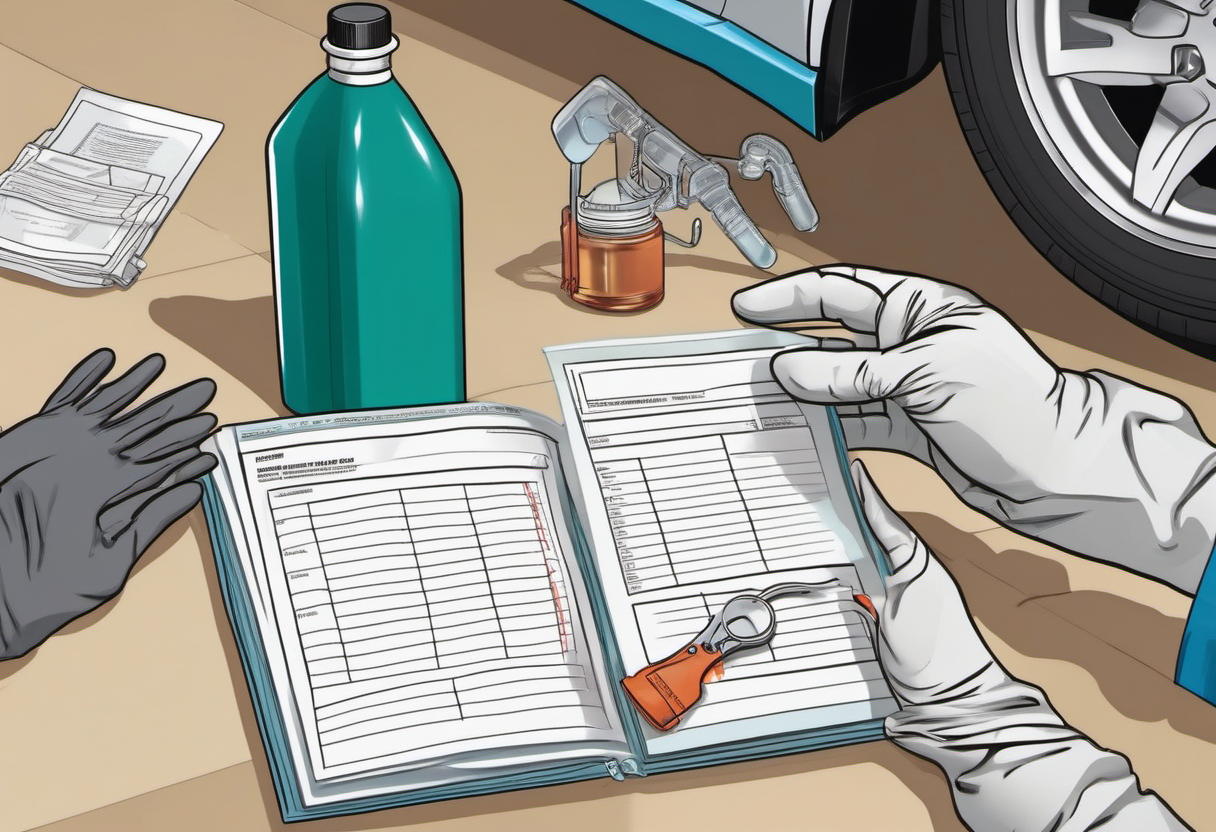
Use the DOT rating and manufacturer specification required for the vehicle. DOT 3, DOT 4, DOT 5, and DOT 5.1 are not casual substitutes, and some systems have special requirements. Mixing the wrong fluid can damage seals or create unsafe performance. Use fresh fluid from a sealed container and avoid old half-used bottles that have been sitting open in the garage.
Modern ABS and stability-control systems can complicate flushing because some vehicles need scan-tool procedures to cycle valves and move fluid correctly. A driveway bleed that leaves old fluid trapped or introduces air can create a dangerous pedal. Skilled DIYers should follow the factory procedure exactly; everyone else should use a qualified shop. Brake work is not the place to learn by trial and error if the result will be driven on public roads.
5. Use symptoms as stop signals
Warning signs deserve prompt attention: a soft or sinking pedal, brake warning light, ABS light, pulling while braking, visible fluid, burning smell after braking, grinding noise, or a sudden change in stopping distance. Moisture is only one possible issue, and a checklist article cannot diagnose a hydraulic system remotely. If the pedal changes or fluid disappears, stop casual driving plans until the cause is known.
Plan preventive brake-fluid service alongside tire rotations, pad inspections, and annual maintenance reviews. It is cheaper and safer to handle the fluid before a mountain trip or towing season than to discover fade when the system is already hot. Brake fluid service is not glamorous, but it protects the system that turns pedal force into stopping force. Use standards and owner-manual intervals as the floor, then let inspection, moisture testing, warning lights, and driving conditions guide whether service should happen sooner.
6. What to ask the shop before approving service
A good brake-fluid conversation should be specific. Ask which fluid specification the vehicle requires, what test or inspection triggered the recommendation, whether the service includes bleeding all four corners, and whether the ABS module requires a scan-tool procedure. Ask whether the technician also inspected pad thickness, rotor condition, calipers, hoses, lines, and leaks. Brake fluid should not be sold as an isolated upsell when the rest of the brake system is being ignored.
The answer does not need to be complicated, but it should be coherent. “Your manual calls for service at this interval, the moisture reading is high, and we will use the specified DOT 4 fluid with the factory bleed procedure” is a better explanation than “it looks dark.” Keep the invoice because the next owner, technician, or future you will need the date and mileage. Maintenance records turn a vague safety item into a traceable decision.
7. DIY boundaries for careful owners
Some experienced owners can perform brake-fluid service safely, but the boundary should be honest. You need the correct fluid, clean tools, a way to prevent air entry, the factory sequence, torque specifications, disposal plan, and the ability to recognize a pedal that is not right. You also need to know whether the vehicle requires electronic procedures for ABS or stability-control components. If any of that is uncertain, professional service is cheaper than a mistake that compromises braking.
Do not reuse fluid from an old open bottle, mix unknown fluids, or spill brake fluid on paint. Do not rely on a helper pumping the pedal without a clear process. Do not drive the car until the pedal feel is firm, leaks are absent, and the system has been checked according to the procedure. Brake maintenance is not a cosmetic project. The result must be safe in traffic, rain, heat, and emergency stops.
8. Put brake fluid into the annual safety routine
Brake fluid is easiest to manage when it is attached to an existing routine. During tire rotation or seasonal inspection, look at the reservoir level, scan for leaks, check warning lights, review service records, and compare the mileage and date with the owner manual. Before towing, mountain travel, or a long road trip, be more conservative. Heat and repeated braking are exactly when old fluid has less margin.
This routine prevents two extremes: ignoring the fluid for a decade and replacing it blindly without context. The balanced approach is evidence-based. Use standards to understand why the fluid matters, use the manual to know the baseline, use inspection to catch leaks and wear, and use testing when condition is uncertain. That is how a quiet maintenance item becomes a practical safety habit.
9. Cost, risk, and timing
Brake-fluid service is often inexpensive compared with calipers, ABS hydraulic units, master cylinders, or collision damage from poor braking performance. That does not mean every recommendation is automatically valid. It means the decision should be made with better evidence than color alone. A fair estimate should specify the fluid, labor, bleed procedure, and whether other brake issues were found. If the shop cannot explain the recommendation, ask for clarification or a second opinion.
Timing also matters. Service before a long trip, mountain route, towing weekend, or track day is more valuable than service after the fluid has already been overheated. If the car is rarely driven, time still counts because moisture absorption and corrosion do not require high mileage. The practical goal is not to replace fluid constantly; it is to avoid letting an invisible safety margin disappear unnoticed.
10. Final checklist
Before considering the setup complete, write down the baseline, the exact action taken, the date for the next review, and the condition that would make you stop or ask for expert help. This small record prevents the most common failure: making a change, forgetting why it was made, and then repeating the same decision later. Keep the checklist near the tool, app, or maintenance file so the next review is based on evidence rather than memory.