Check Engine Light Diagnostic Workflow 2026: OBD2 Codes to Repair Decisions
A practical 2026 workflow for reading OBD2 trouble codes, checking readiness monitors, using freeze-frame data, and deciding when to DIY or pay a shop.
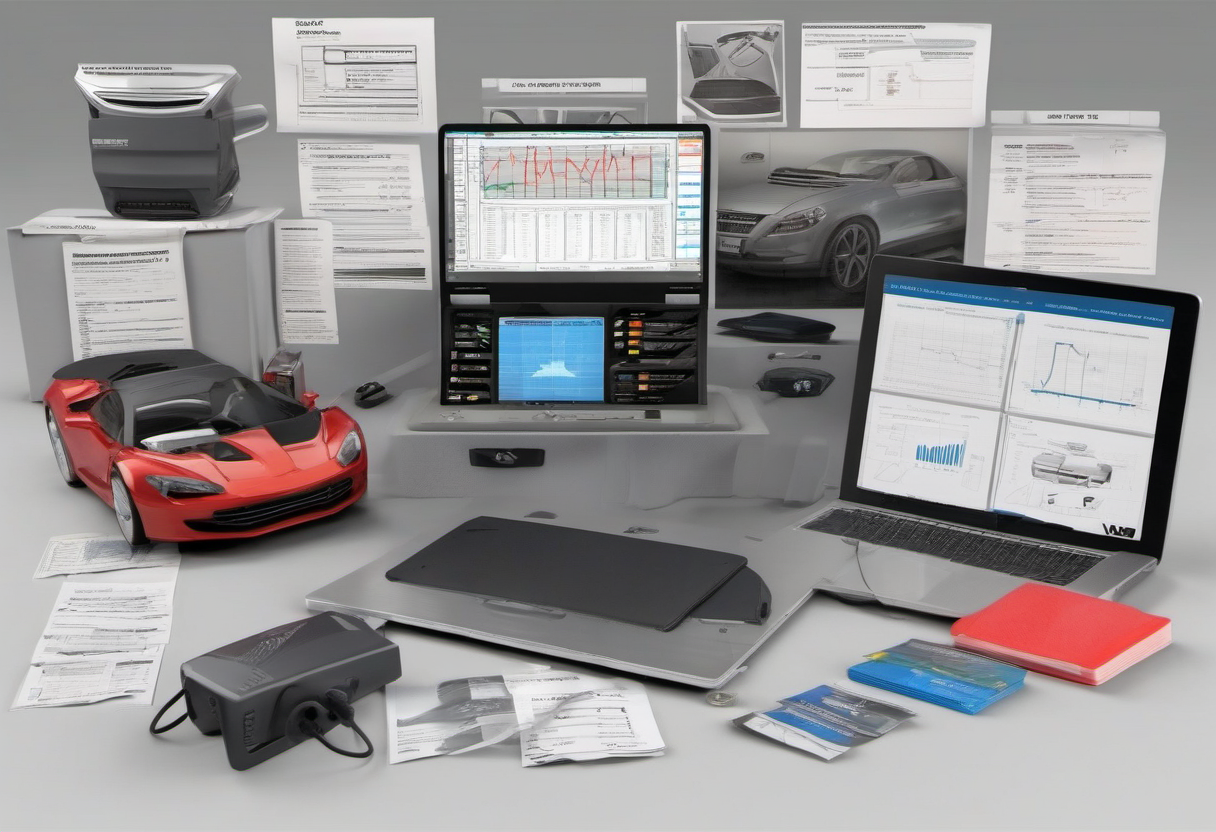
A check engine light is not a repair order. It is a message that the vehicle’s onboard diagnostic system saw a test fail under specific operating conditions. The expensive mistake is treating the first trouble code as a part number. The disciplined approach is slower at the beginning and faster by the end: capture the codes, preserve freeze-frame data, check readiness monitors, separate electrical and mechanical causes, and decide whether the next test belongs in your driveway or at a professional shop.
This 2026 workflow is written for owners using a consumer OBD2 scanner or Bluetooth adapter, not for dealership technicians with factory scan tools. It will not turn every diagnosis into a weekend project. It will help you avoid three common failures: replacing oxygen sensors for a vacuum leak, clearing codes right before an emissions test, and driving through a flashing misfire light until the catalytic converter is damaged.
Step 1: Treat the Light Pattern as Triage
Start with what the dashboard is telling you before plugging anything in. A steady check engine light usually means a stored emissions-related fault. The vehicle may drive normally, but fuel economy, emissions, or long-term component life can be affected. A flashing light is different. Most manufacturers use flashing to warn of catalyst-damaging misfire. If the light flashes under acceleration or at idle, reduce throttle, avoid highway load, and stop driving as soon as practical.
Also note whether other warning lights appear at the same time. A check engine light plus traction control or stability control light can happen because the engine controller disabled torque-management features. A battery light, temperature warning, or oil-pressure warning is more urgent than the emissions light. Do not let a cheap scanner make a critical mechanical warning look routine.
Write down the context: cold start, rain, after refueling, after jump-starting, during highway cruise, after a battery replacement, or immediately after maintenance. Context often points to the right branch of the diagnostic tree. A loose intake boot after an air-filter change is very different from an evaporative emissions leak after refueling.
Step 2: Read Stored, Pending, and Permanent Codes
Plug the scan tool into the 16-pin OBD2 port, usually under the driver’s side dash. Turn ignition to accessory or start the engine, depending on the scanner instructions. Read all modules your tool can access, but at minimum capture powertrain stored codes, pending codes, permanent codes, and readiness status.
Stored codes have already failed enough times to turn on the light. Pending codes failed once or have not matured yet. Permanent codes are retained by many modern vehicles until the monitor passes after repair; they cannot always be erased immediately with a generic scanner. If your scan tool shows only one screen, take photos before touching erase.
Generic P0 codes are standardized under OBD2. Manufacturer-specific P1 codes need a service information source for the exact definition. A code such as P0171 points to a system running lean, not automatically to a bad oxygen sensor. P0420 points to catalyst efficiency below threshold, not automatically to a catalytic converter. P0302 points to cylinder two misfire, not automatically to an ignition coil. The code narrows the test area; it does not finish the diagnosis.

Step 3: Save Freeze-Frame Data Before Clearing Anything
Freeze-frame data is the snapshot captured when the fault set. A basic scanner may show engine speed, coolant temperature, vehicle speed, calculated load, fuel trims, and closed-loop status. Better tools show more parameters. Save it. Clearing codes usually deletes the snapshot, and the snapshot is often the difference between guessing and testing.
For example, a lean code at hot idle with high positive long-term fuel trim can suggest unmetered air, a vacuum leak, or a PCV problem. The same code at high load may point toward fuel delivery, mass-airflow under-reporting, or exhaust leaks upstream of the sensor. A misfire code that sets only during cold start can lead toward coolant intrusion, injector leakdown, or ignition weakness, while a misfire under high load may suggest coil breakdown, plug gap, fuel pressure, or compression.
Battery voltage matters too. Weak batteries and recent jump-starts create strange low-voltage codes across unrelated modules. If the scanner reports system voltage below roughly 12.4 volts with the engine off, test and charge the battery before interpreting a pile of communication or sensor-reference faults. A stable electrical foundation is part of diagnosis, not a separate chore.
Step 4: Check Readiness Monitors Before Inspection Planning
Readiness monitors show whether the vehicle has completed its self-tests since codes were cleared or battery power was lost. Inspection programs commonly allow a limited number of monitors to be not ready, with tighter rules for newer vehicles. Clearing the light in the parking lot before a smog check usually backfires because the car arrives with monitors incomplete.
The important monitors include catalyst, oxygen sensor, oxygen sensor heater, evaporative system, EGR or VVT where applicable, misfire, fuel system, and comprehensive components. Misfire and fuel-system monitors run continuously on most vehicles. Catalyst and EVAP monitors often need more specific conditions: steady cruise, cold soak, fuel level within a certain range, and no other active faults.
A proper repair plan includes a readiness plan. After fixing the root cause, drive normally until monitors complete, then re-scan before paying for inspection. If one monitor refuses to run, look for preconditions: fuel level too high or too low for EVAP, coolant not reaching thermostat temperature, pending codes blocking catalyst testing, or aftermarket tuning that changes monitor behavior.
Step 5: Use Live Data to Separate Sensor Reports from Causes
Live data is where a cheap scanner becomes useful. Focus on a small group of parameters instead of watching every number scroll. For fuel and air faults, observe short-term and long-term fuel trims at idle, 2,500 rpm no-load, and a short road test. Positive trims mean the computer is adding fuel; negative trims mean it is subtracting fuel. A large positive trim at idle that improves at higher rpm often suggests a vacuum leak. A large positive trim under load can point toward fuel delivery or airflow measurement.
For oxygen sensor and catalyst codes, look at upstream sensor switching and downstream sensor stability after the engine is hot and in closed loop. Do not condemn a catalyst before checking exhaust leaks, misfires, oil consumption, fuel trims, and software updates. A new converter installed behind an unresolved rich misfire can fail quickly.
For misfire codes, compare mode 6 misfire counters if your tool supports them, then swap simple components only when the test design makes sense. Moving a coil from cylinder two to cylinder four and watching whether the misfire follows is a valid low-cost test. Replacing all coils because one cylinder misfired once is not a diagnostic workflow.
Step 6: Build a Short Cause List, Then Pick the Next Test
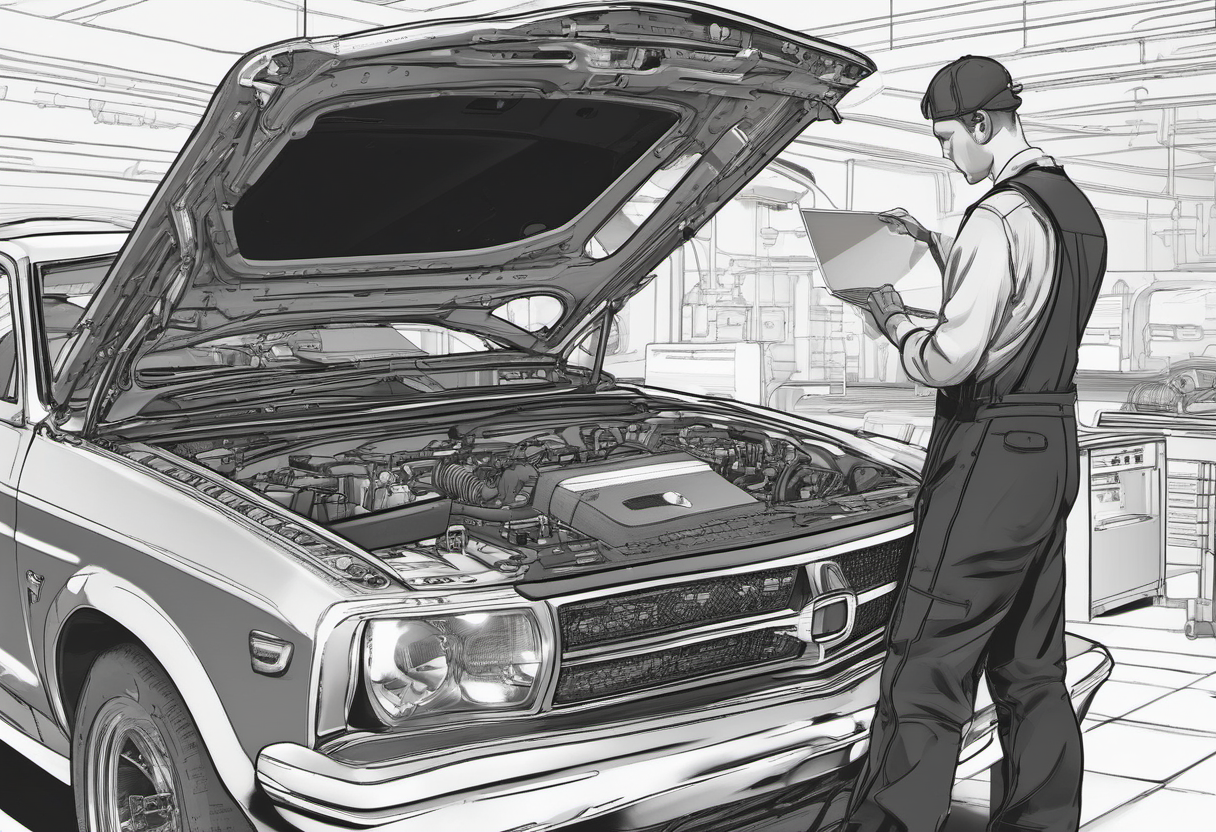
After codes, freeze-frame, readiness, and live data, write a cause list with evidence for and against each possibility. Keep it short. A P0171 lean code might produce this list: intake vacuum leak, PCV leak, dirty mass-airflow sensor, exhaust leak upstream of the oxygen sensor, low fuel pressure, or biased oxygen sensor. If trims are high only at idle, the next test is smoke testing or careful intake inspection. If trims climb under load, the next test is fuel-pressure or airflow validation.
A P0456 small EVAP leak is another example. The gas cap is possible, but so are purge valves, vent valves, cracked hoses, filler-neck seals, and canister damage. The right next step is not buying every EVAP part. It is checking cap seal condition, confirming purge valve is not stuck open, and using smoke testing if the leak remains hidden.
A P0420 catalyst efficiency code deserves extra caution because the part is expensive. Verify no active misfire, no fuel-trim problem, no exhaust leak, no oil-burning issue, and no applicable warranty or emissions coverage. Many catalytic converters are protected by longer federal emissions warranties than owners realize, so check coverage before paying retail.
Step 7: Decide DIY, Mobile Mechanic, or Shop
Good DIY diagnostic boundaries save money. Owner-friendly jobs include reading and documenting codes, checking battery condition, inspecting loose intake hoses, tightening a fuel cap, replacing a clearly failed ignition coil after a successful swap test, cleaning a contaminated mass-airflow sensor with the correct cleaner, and replacing accessible spark plugs when maintenance history supports it.
A mobile mechanic is useful when the car drives but needs on-site testing: smoke test for intake or EVAP leaks, basic fuel-pressure testing, alternator/battery diagnosis, or confirmation before a planned repair. A full shop is the better choice for oscilloscope waveform testing, compression and leakdown diagnosis, programming, hybrid high-voltage systems, intermittent CAN communication faults, evaporative leaks hidden above the fuel tank, or anything requiring a lift.
Do not overlook safety and legal issues. Emissions systems are federally regulated. Defeating catalysts, oxygen sensors, EVAP systems, EGR, or diesel emissions equipment is not a repair strategy. It can make the vehicle fail inspection and increase pollution. The practical path is to restore the system so monitors run and pass.
A Simple Checklist Before You Spend Money
Use this checklist after the first scan and before buying parts. First, save all codes and freeze-frame data. Second, check battery voltage and charging behavior. Third, inspect obvious recent-work areas: airbox clips, intake boots, oil cap, dipstick seating, disconnected vacuum lines, loose electrical connectors, and fuel cap seal. Fourth, compare fuel trims at idle and 2,500 rpm. Fifth, check whether the code is pending, stored, or permanent. Sixth, confirm readiness monitor status if an inspection deadline is near. Seventh, search for technical service bulletins or warranty extensions using the exact year, engine, and code combination.
Only then choose a repair. If you replace a part, write down the before-and-after data. The goal is not just turning the lamp off today; it is making the monitor pass under the same condition that originally failed. After repair, clear codes only when appropriate, complete a drive cycle, and verify no pending codes return.
For shoppers evaluating a used car, this workflow is even more important. A seller can clear codes minutes before a test drive. If multiple monitors are not ready, treat that as an inspection finding, not a harmless technicality. Pair this process with a broader used-car pre-purchase inspection and bring a scanner that shows readiness at minimum.
Bottom Line
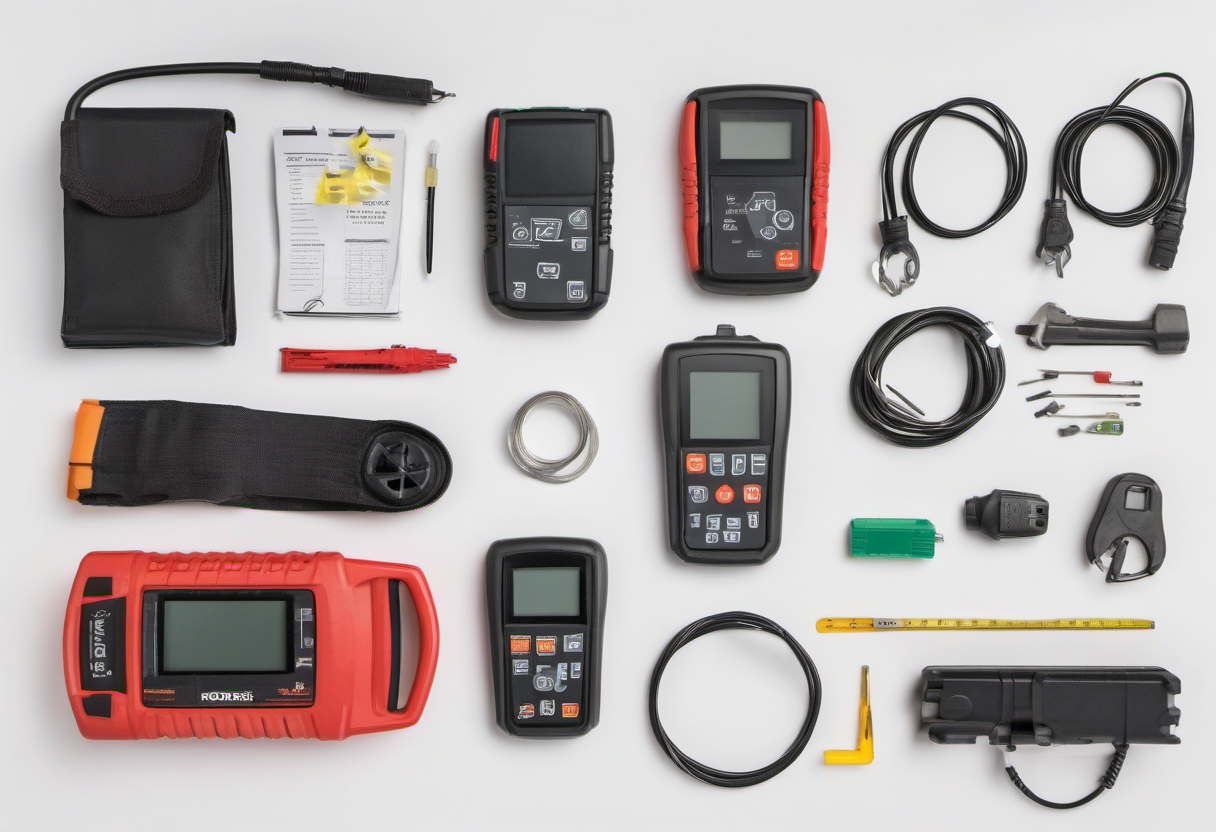
A consumer OBD2 scanner is a decision tool, not a magic answer box. The best use is systematic: capture the evidence, understand what the code can and cannot prove, check readiness, use live data for direction, and stop before the next step exceeds your tools. That approach prevents unnecessary parts purchases and gives a shop better information when professional diagnosis is the right call.
If you are buying your first scan tool, start with the site’s OBD2 scanner guide. If the car also has slow cranking, jump-start history, or low-voltage communication faults, handle the battery side with the jump starter and battery tool guide before chasing sensor codes.