Construction Zone Night Driving and Lane-Merge Safety Plan
A practical night-driving plan for work zones: speed changes, lane merges, lighting glare, following distance, and when to reroute.
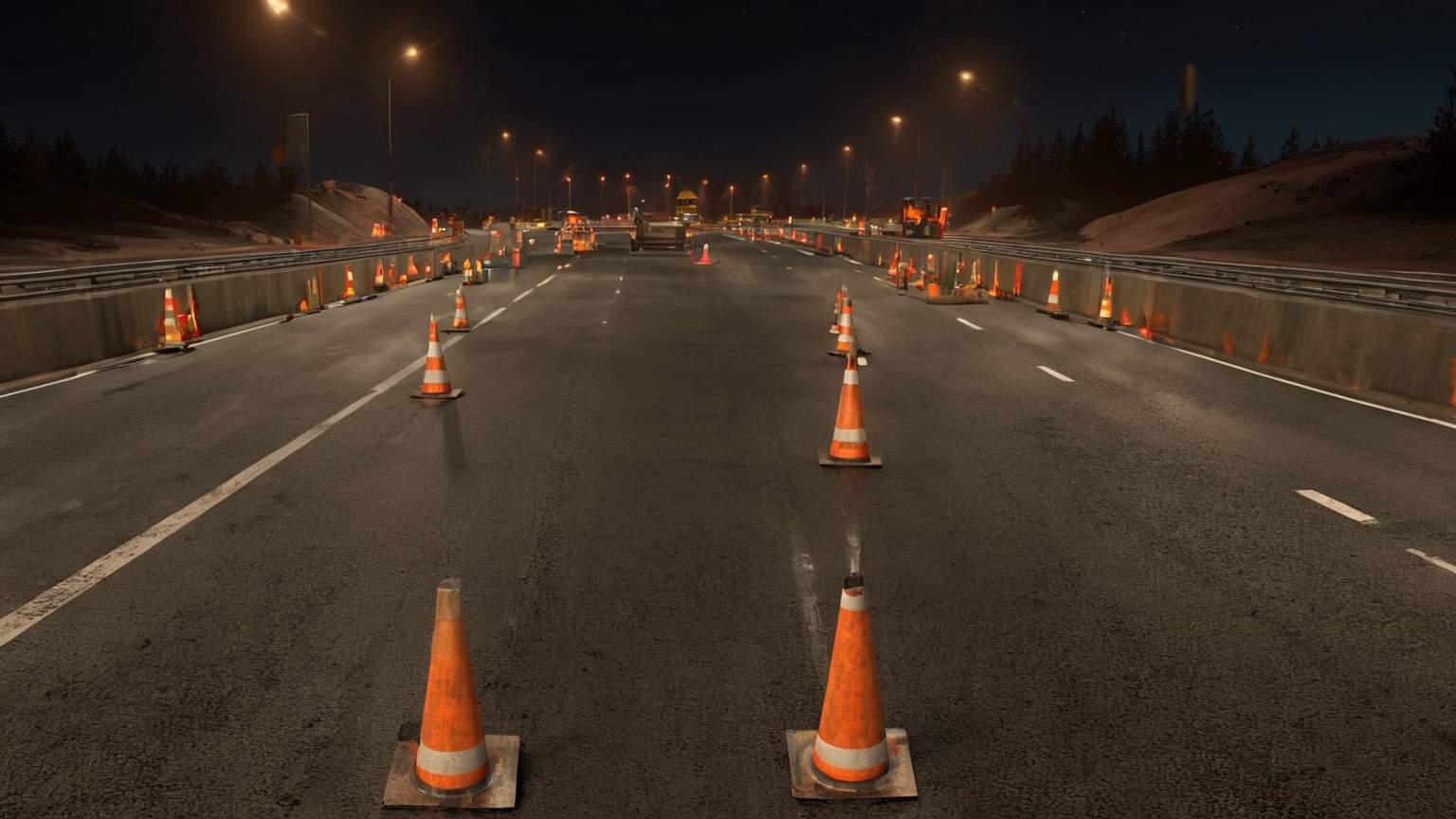
Night work zones combine several small risks: unfamiliar tapers, temporary pavement markings, glare, workers close to traffic, sudden speed changes, and drivers who notice the merge too late. This guide was checked on 2026-06-10 against FHWA, NHTSA, FMCSA, AAA Foundation, and NOAA resources. It is general safety planning, not legal advice; posted controls, police direction, and current road/weather alerts take priority.
Decision table
| Situation | Safer choice | Mistake to avoid |
|---|---|---|
| Lane taper appears ahead | Ease off and create space early | Racing to the last cone |
| Heavy truck beside you | Avoid lingering in the blind spot | Forcing a merge beside the trailer |
| Glare or rain hides markings | Slow down or reroute | Following taillights blindly |
| Route change needed | Pull over or use passenger help | Changing navigation while moving |
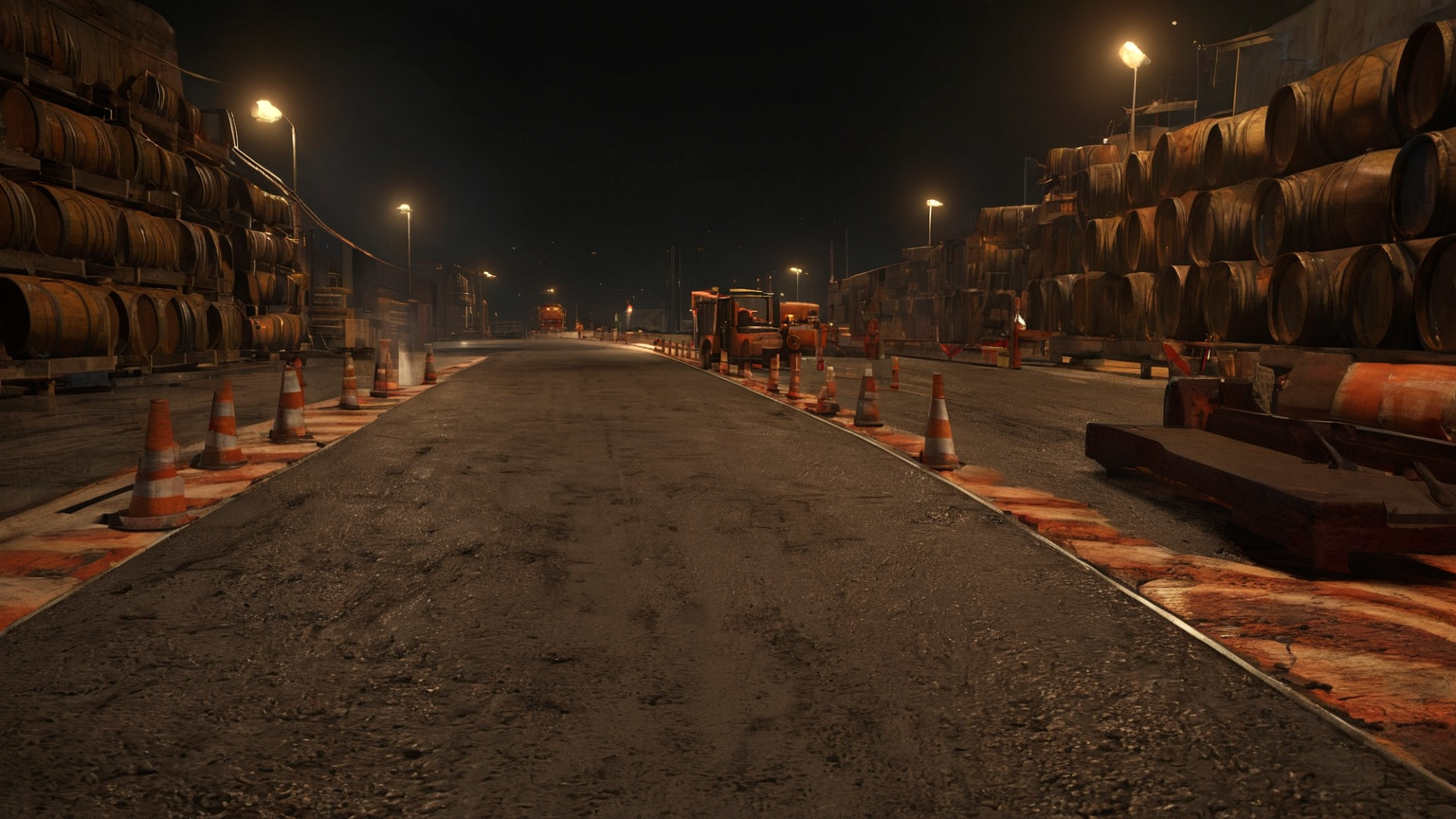
1. Reduce speed before the merge feels urgent
The safest work-zone decision happens upstream. Ease off early, increase following distance, and avoid being the driver who discovers the taper at the last cone. At night, temporary markings can be harder to read, so assume the lane pattern may change again around the next curve.
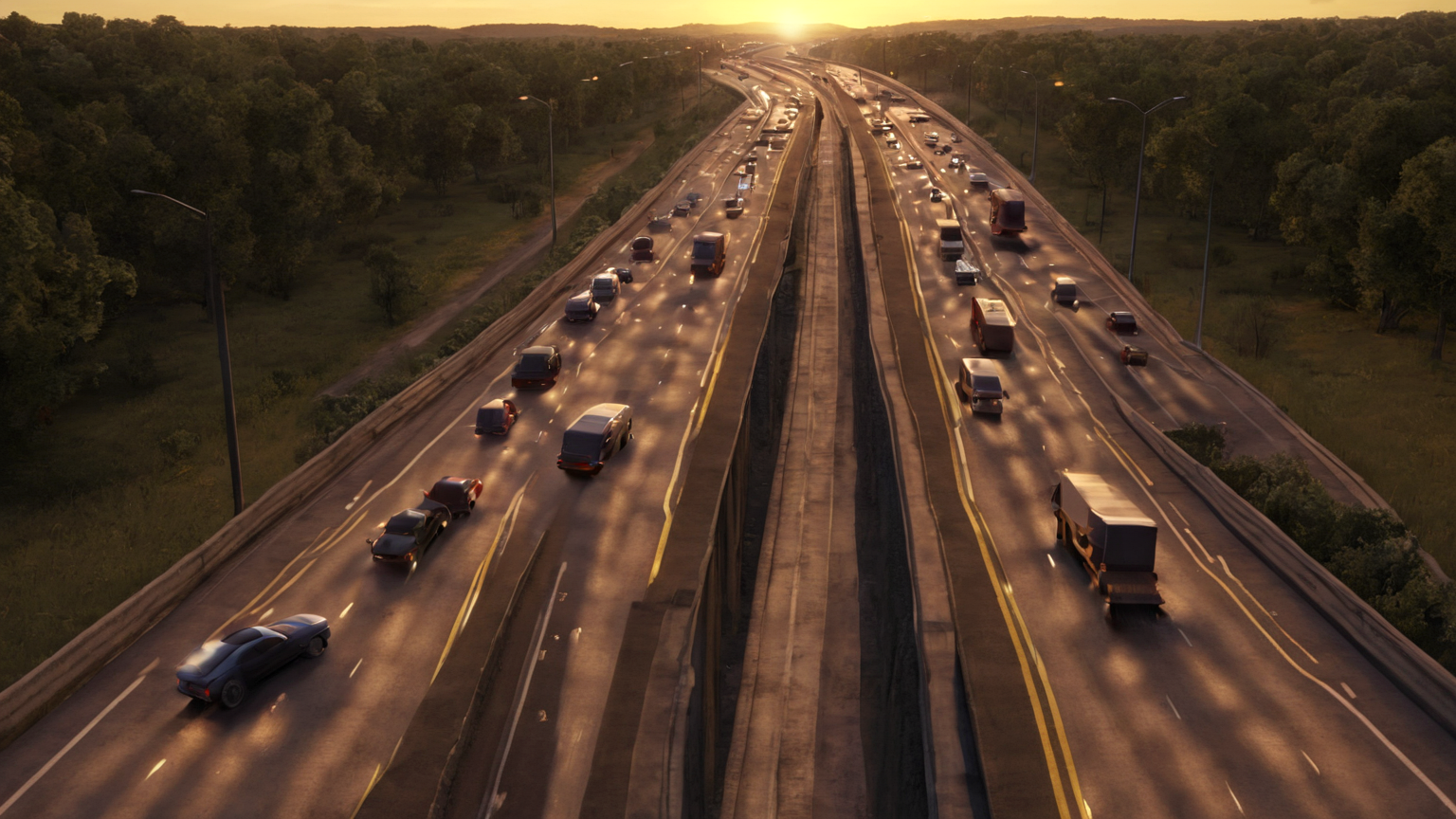
Practical rule: decide the stop condition before the risky part starts. If the real situation crosses that line, choose the lower-risk option even when it feels inefficient. That habit turns a web article into a usable routine instead of generic advice.
2. Use zipper logic without forcing it
When traffic is slow and lanes are clearly ending, a calm zipper merge can reduce conflict. That does not mean accelerating to block someone, diving across solid barriers, or matching speed beside a truck with no escape space. The useful rule is predictable cooperation, not winning the lane.
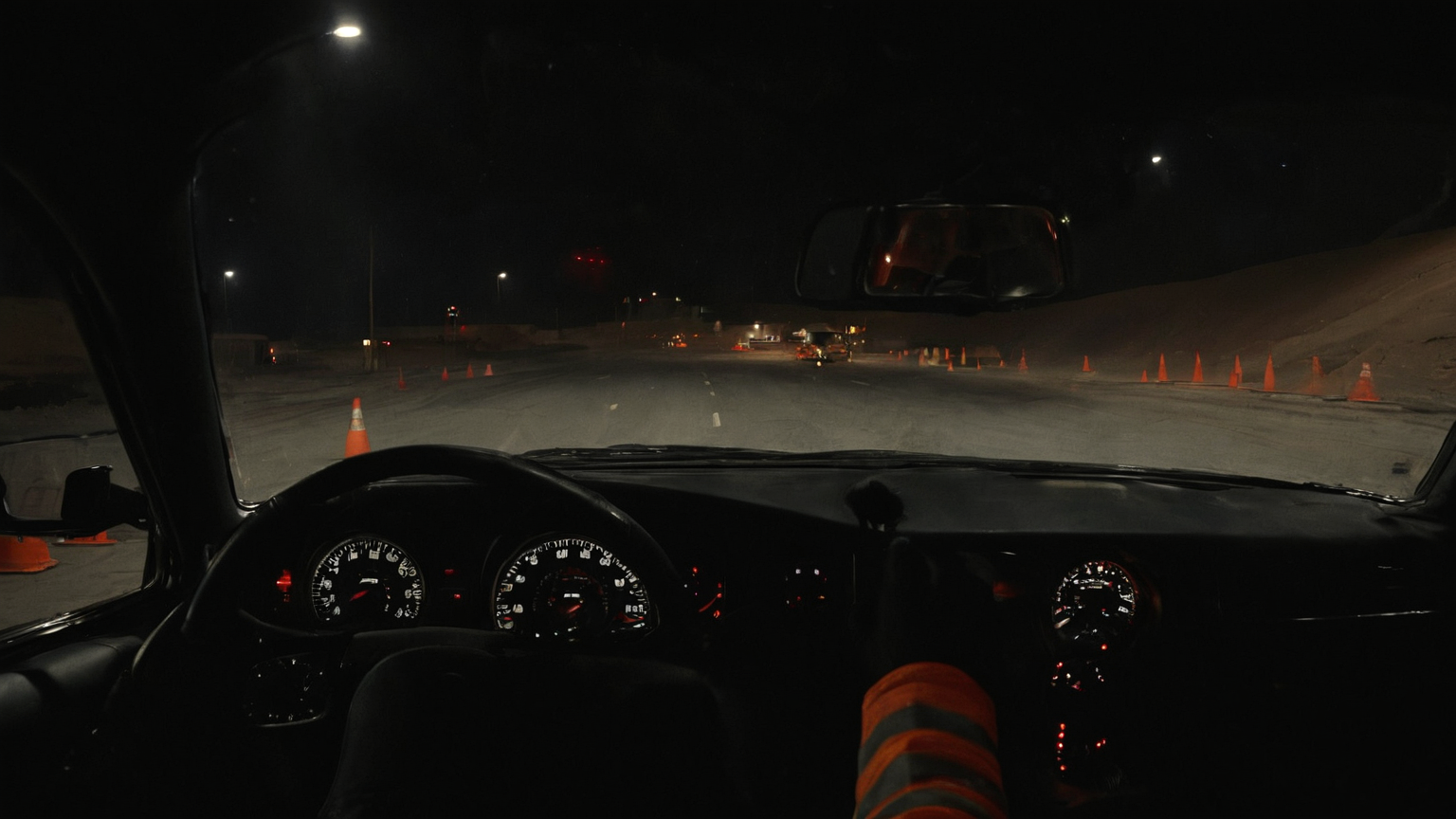
Practical rule: decide the stop condition before the risky part starts. If the real situation crosses that line, choose the lower-risk option even when it feels inefficient. That habit turns a web article into a usable routine instead of generic advice.
3. Manage glare and visual overload
Clean glass, adjusted mirrors, and lower cabin brightness help before the trip starts. In rain or fog, cones, retroreflective barrels, and work lights can bloom into confusing shapes. If you cannot identify lane edges comfortably, slow down, increase space, or choose a safer route.

Practical rule: decide the stop condition before the risky part starts. If the real situation crosses that line, choose the lower-risk option even when it feels inefficient. That habit turns a web article into a usable routine instead of generic advice.
4. Protect workers and stopped vehicles
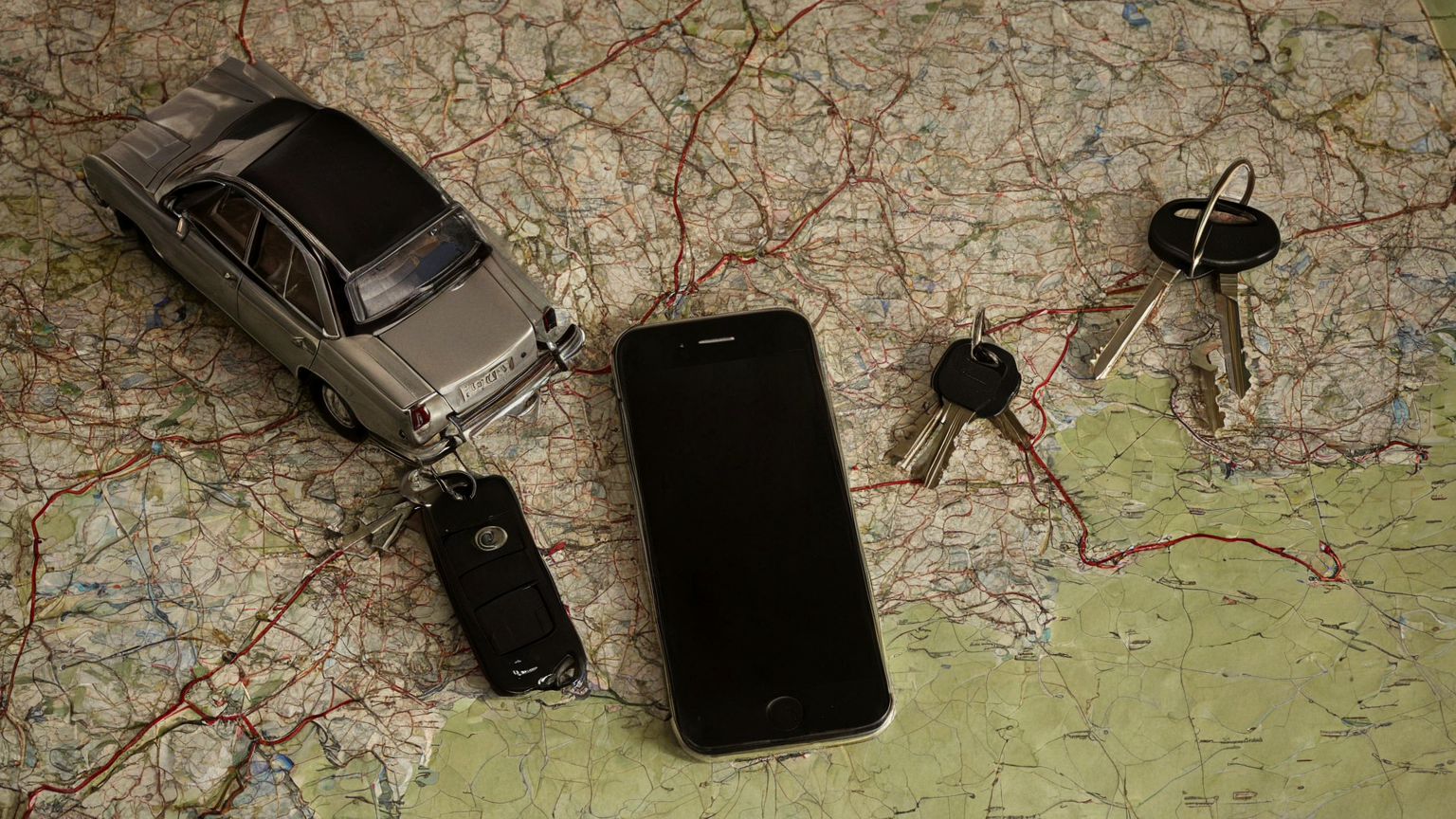
Work zones can contain people, equipment, and disabled vehicles where you least expect them. Do not look at your phone for route changes while moving. Let a passenger navigate or pull over legally before changing plans.
Practical rule: decide the stop condition before the risky part starts. If the real situation crosses that line, choose the lower-risk option even when it feels inefficient. That habit turns a web article into a usable routine instead of generic advice.
5. Decide when the trip is not worth it
If fatigue, weather, detours, or repeated narrow lanes are stacking up, the safest strategy may be delaying or rerouting. Helpful driving content should normalize lower-risk choices instead of treating every trip as mandatory.
Practical rule: decide the stop condition before the risky part starts. If the real situation crosses that line, choose the lower-risk option even when it feels inefficient. That habit turns a web article into a usable routine instead of generic advice.
Seven-point implementation checklist
- Check the current official source, alert, manual, or local rule before relying on memory.
- Prepare the space before the highest-risk step begins.
- Keep tables, warnings, and step logic in body text rather than unreadable image text.
- Use smaller portions, shorter sessions, slower speeds, or hybrid routines when conditions are uncertain.
- Document the exception so the next attempt improves instead of repeating a mistake.
- Do not add affiliate recommendations where safety, trust, or official guidance is the main reader need.
- Revisit the plan after the season, trip, illness, event, or household condition changes.
Source notes and limitations
The linked sources set conservative decision boundaries. They do not replace medical care, emergency instructions, vehicle law, appliance manuals, food-service rules, or qualified professional advice. Local alerts, recalls, manuals, clinicians, emergency responders, and official notices can override this general planning guide.
FAQ
Why is this a 2026 guide?
The post was prepared during the 2026-06-10 publishing run and its source URLs were checked as part of the workflow. Readers should still open current official pages when conditions are changing.
Why are the visuals plain?
The images are GTI13 raster illustrations. They avoid readable labels, fake dashboards, medical text, food-safety hazards, or appliance-control claims so the factual guidance remains in the article body.
Does this page push products?
No. It supports AdSense readiness through helpful guidance, source transparency, internal navigation, and practical limitations rather than affiliate filler.