Emergency Car Kit for Heat, Storms, and Long Delays: What to Pack and What to Skip
A practical 2026 vehicle emergency-kit checklist for summer heat, storms, road closures, phones, water, lighting, first aid, and safe storage.
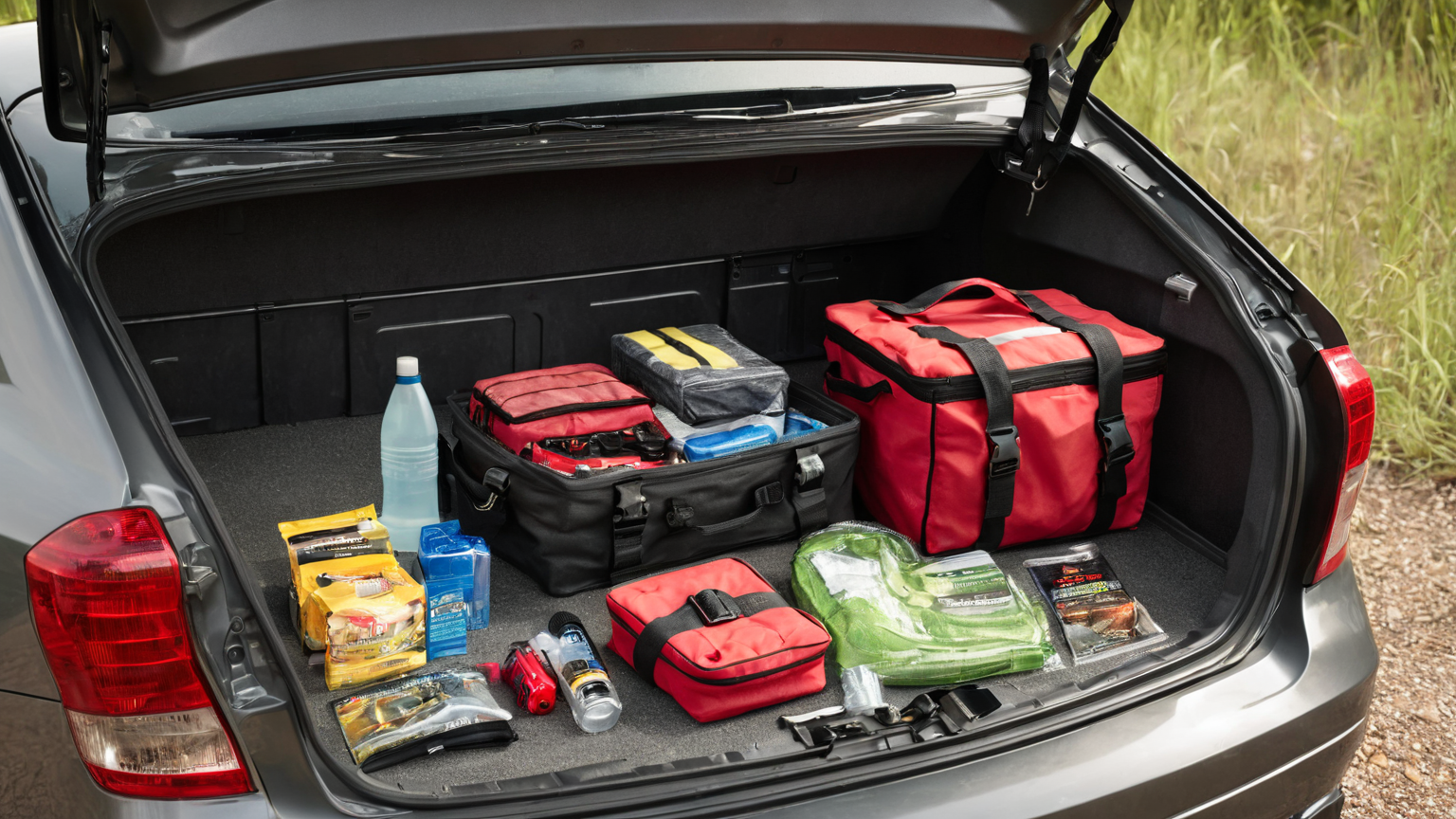
A car emergency kit should solve real delay problems: visibility, communication, hydration, warmth or shade, minor first aid, and the ability to wait safely. It should not become a heavy trunk of gadgets you do not know how to use. This May 2026 checklist combines Ready.gov preparedness basics with NHTSA summer-driving and tire-safety guidance for ordinary drivers, road trips, storm detours, and long roadside waits.
The core kit
| Category | Pack | Why it matters |
|---|---|---|
| Visibility | Reflective triangle, vest, flashlight | Other drivers must see you |
| Communication | Charged power bank, cable, paper contacts | Phones fail at the worst time |
| Waiting | Water, snacks, blanket or sun protection | Delays can last hours |
| Minor fixes | Tire gauge, gloves, basic tools | Small problems become safer |
| First aid | Basic kit and personal medications | Response time is not guaranteed |
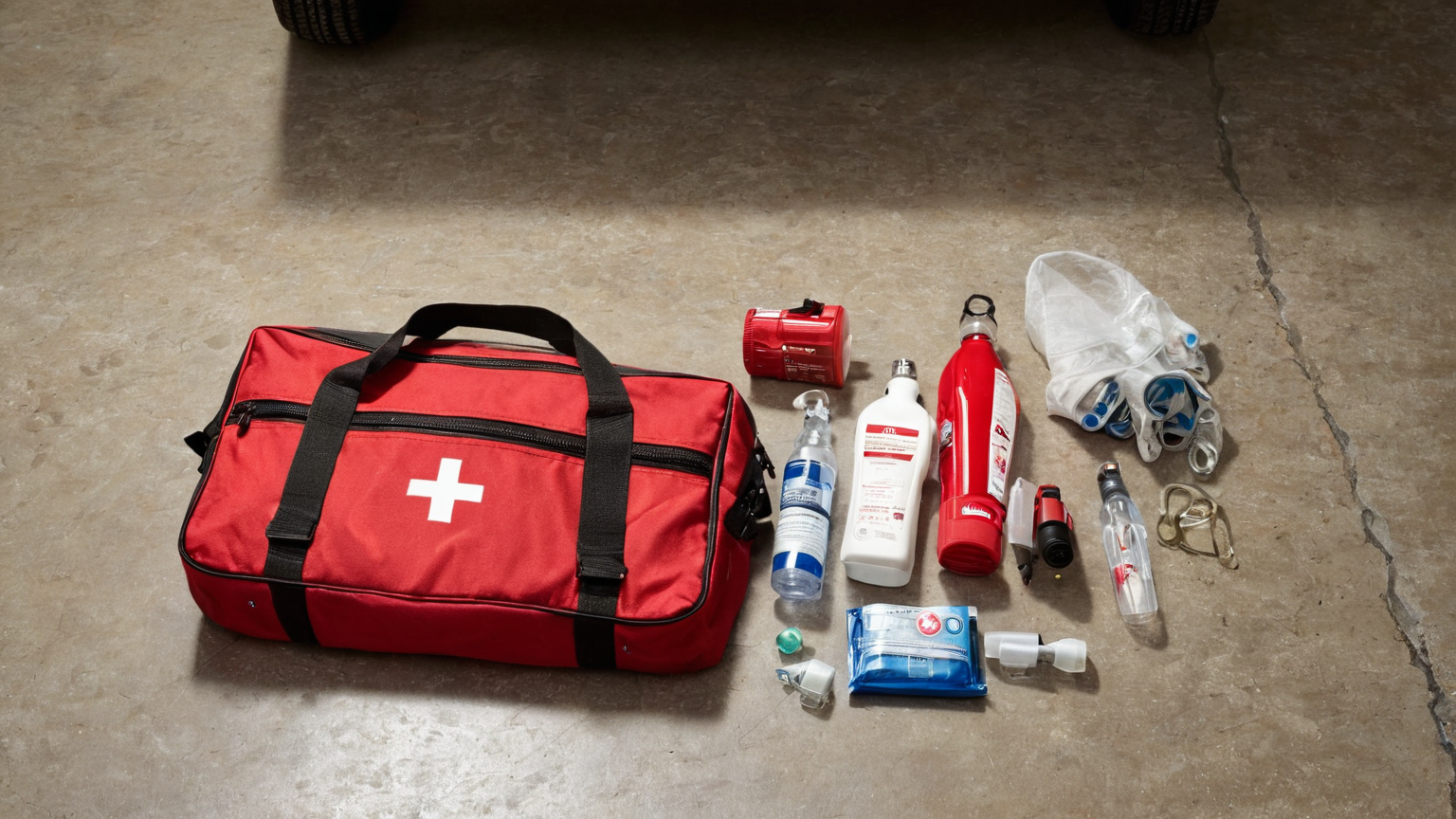
Pack for the delay you are likely to face
Commuters need phone power, visibility, water, and a way to stay warm or cool while waiting. Road-trippers need more water, paper navigation backup, medication planning, and luggage discipline. Rural drivers may need extra insulation and signaling; urban drivers may need safer waiting choices and a charged phone more than a shovel.
Heat changes the kit
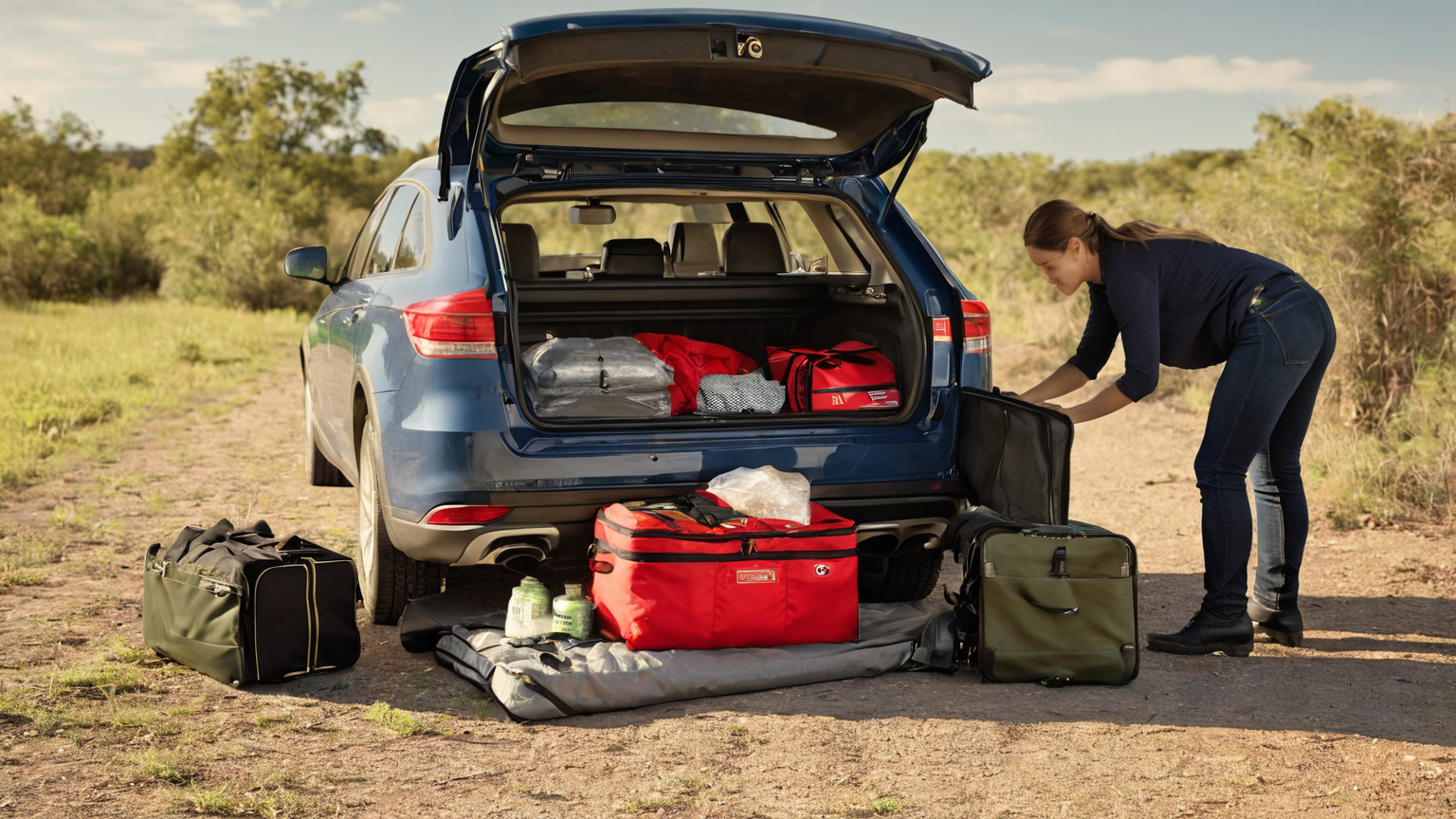
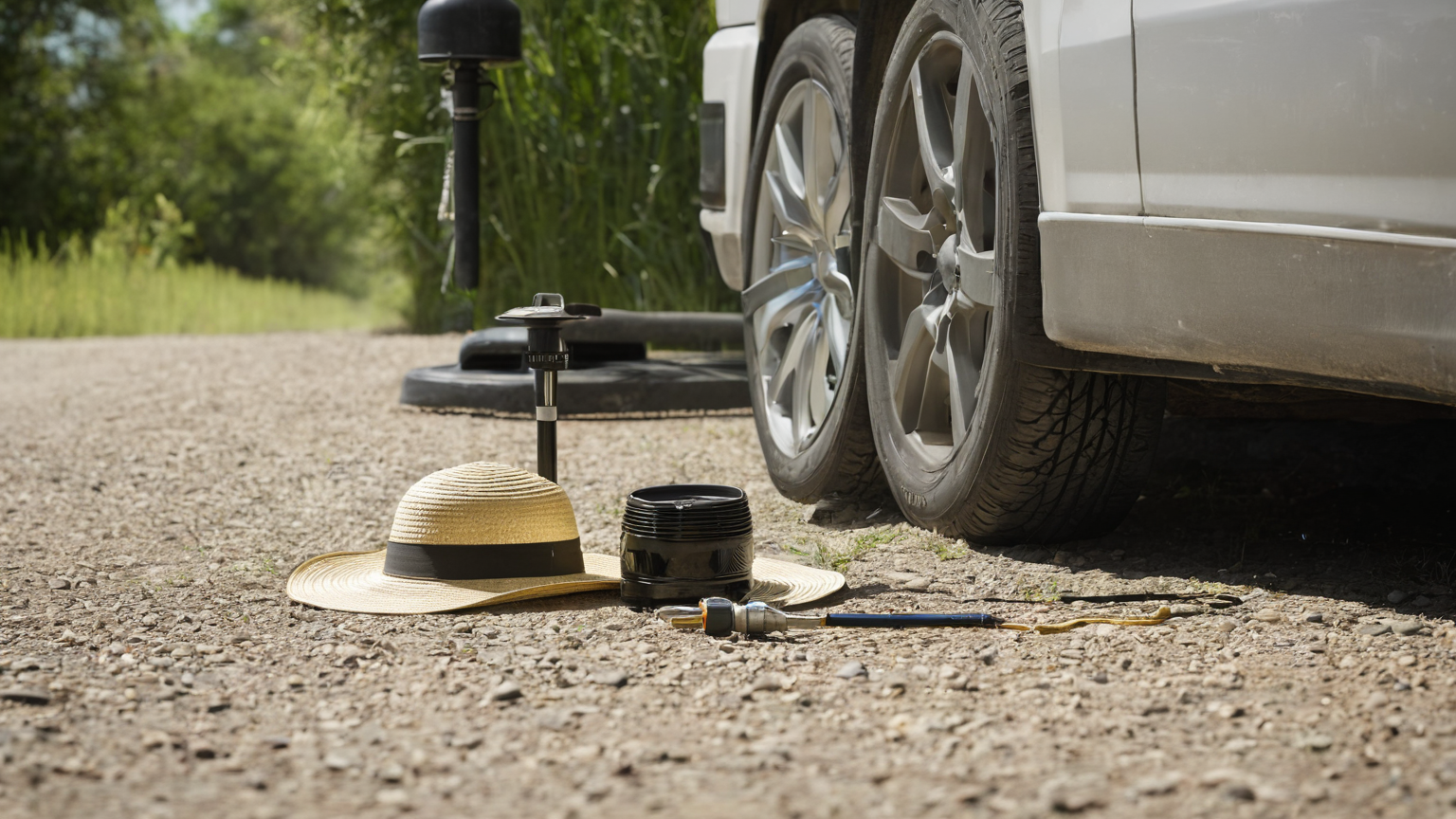
Do not store heat-sensitive medication, aerosol cans, or cheap batteries indefinitely in a hot cabin. Rotate water, check battery packs, and keep the kit low and secured so it does not become a projectile. In extreme heat, shade, hydration, and calling for help early matter more than trying risky roadside repairs.
Storm and visibility rules
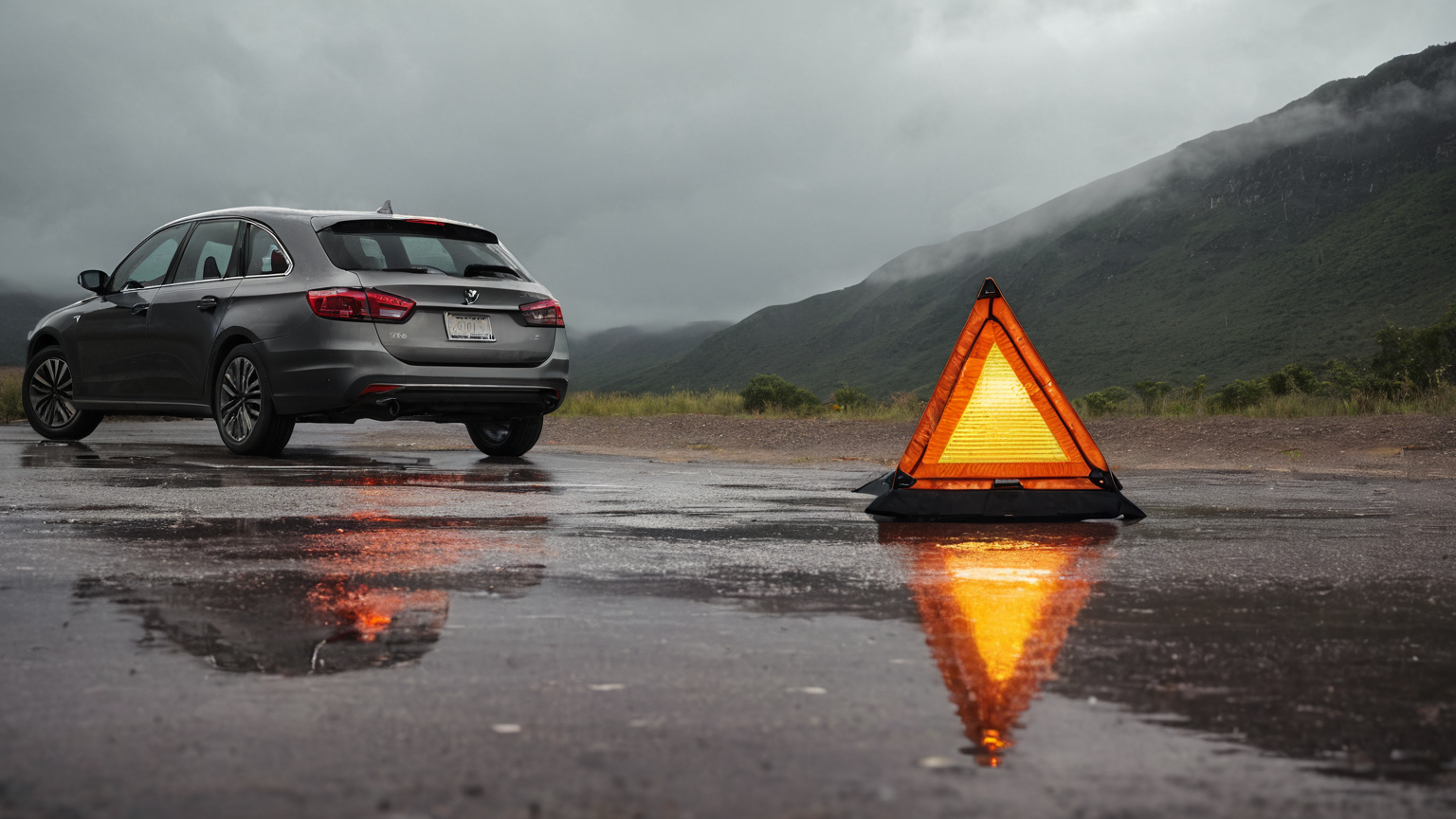
If you stop near traffic, the first job is not diagnosis; it is visibility and distance from moving vehicles. Use hazard lights when appropriate, put on a reflective vest if you have one, and place warning devices only when it is safe. In lightning, flooding, poor visibility, or fast traffic, personal safety outranks saving a tire or bumper.
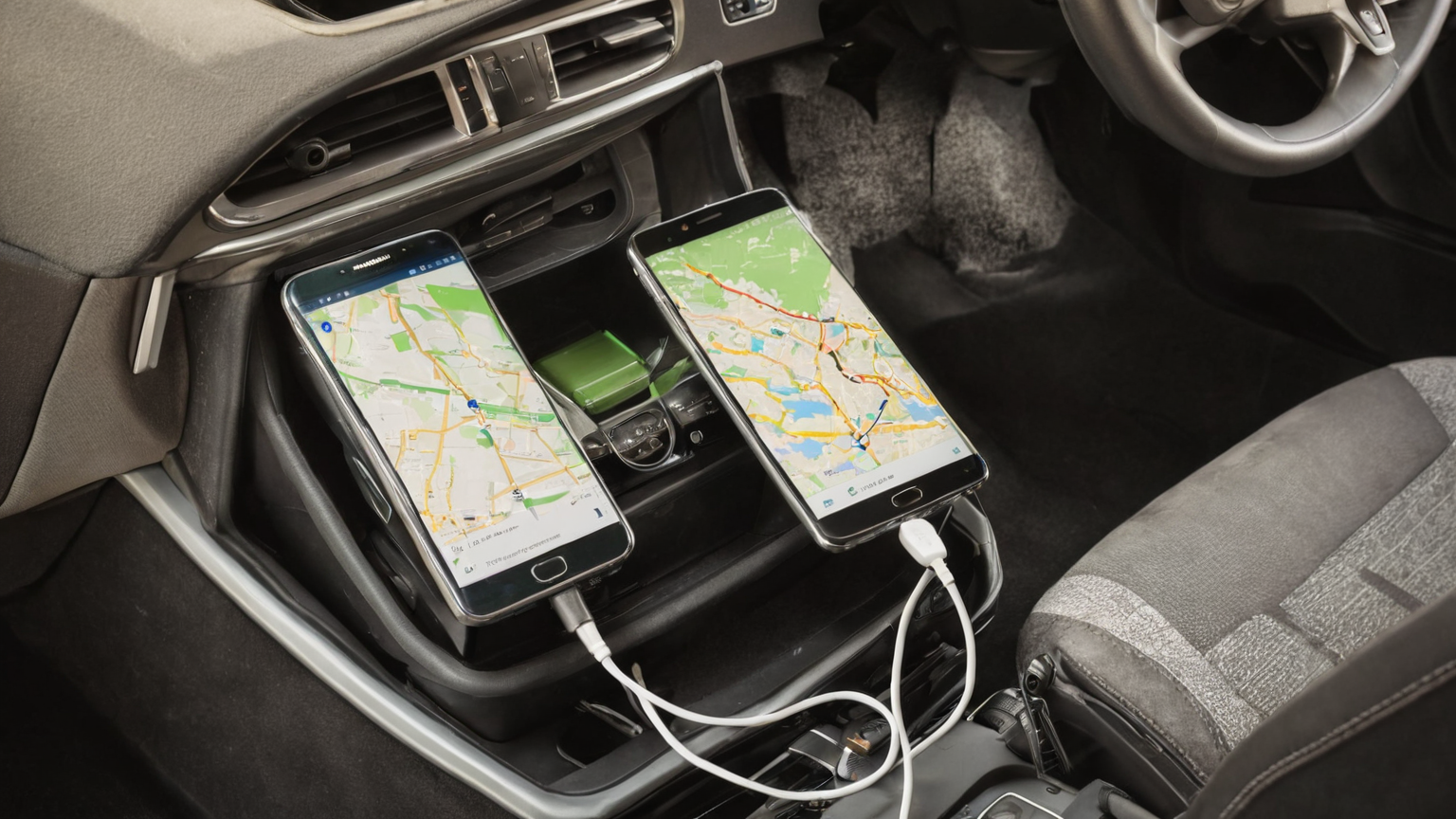
Phone backup is part of the safety system
A power bank is useful only if it is charged and matches your cable. Keep one cable in the kit, one in the cabin, and a written contact card in case the phone is lost or damaged. Download offline maps before rural trips; a paper map is still helpful when a detour outlasts reception.
What to skip or reconsider
| Item | Why it may fail | Better choice |
|---|---|---|
| Unknown jump starter | Uncharged or too small | Maintain a tested unit or roadside plan |
| Loose heavy tools | Projectile risk | Small secured tool roll |
| Old bottled water | Taste and container issues | Rotate on a calendar |
| Tire sealant only | Not for every damage type | Know spare, inflator, or tow plan |
Monthly two-minute check
- Power bank above 75%.
- Flashlight works.
- Water and snacks are in date.
- First-aid items are sealed.
- Tire gauge is present.
- Kit is secured below cargo height.
- Seasonal items match the next trip.
Maintenance schedule for the kit
Treat the kit like a small safety system, not a trunk decoration. Check water, batteries, medication, snacks, and power banks at the start of each hot season and again before a long road trip. Rotate anything that can leak, melt, expire, or attract pests. Keep reflective gear and the first-aid pouch reachable from the passenger area, but store heavier tools low and secured so they do not become projectiles during hard braking. If severe weather is forecast, top off fuel or charge, download offline maps, and tell someone your route before leaving. The best kit is boring because it is updated before the roadside problem starts.
Bottom line
A useful emergency kit is not dramatic. It is visible, charged, rotated, secured, and matched to your climate and route. Build the kit around waiting safely first, then add repair tools only if you know how and when to use them.