Emergency Roadside Kit — Essential Items for Every Vehicle
Complete emergency roadside kit guide: jumper cables, first aid, tools, winter prep. AAA-recommended essentials for safe vehicle operation.
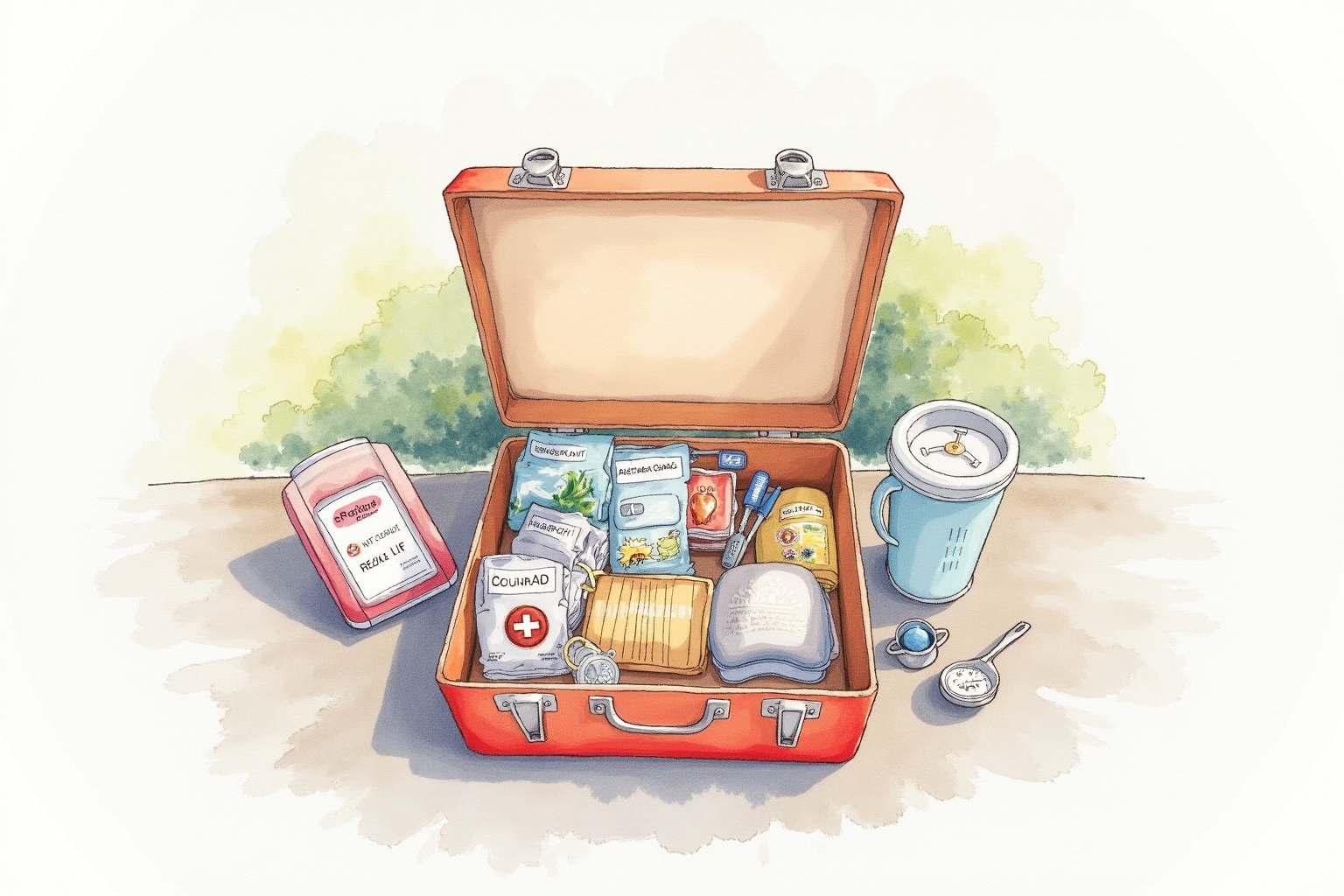
A well-stocked emergency roadside kit is among the highest-ROI safety investments for any vehicle. Per AAA service call data, the most common roadside emergencies (dead battery, flat tire, lockout, fuel run-out) can often be resolved with proper equipment in 10-30 minutes vs hours waiting for roadside assistance. For serious emergencies in remote areas, proper kit can be life-saving.
This article uses AAA emergency kit recommendations, Red Cross emergency preparedness guides, Consumer Reports and Wirecutter product reviews, and FEMA vehicle emergency standards to outline practical kits. Topics include must-have items, DIY vs pre-built kits, jump starter selection, winter additions, and maintenance.
For complementary content, see tire pressure monitor tested and OBD2 scanner guide.
Essential items checklist
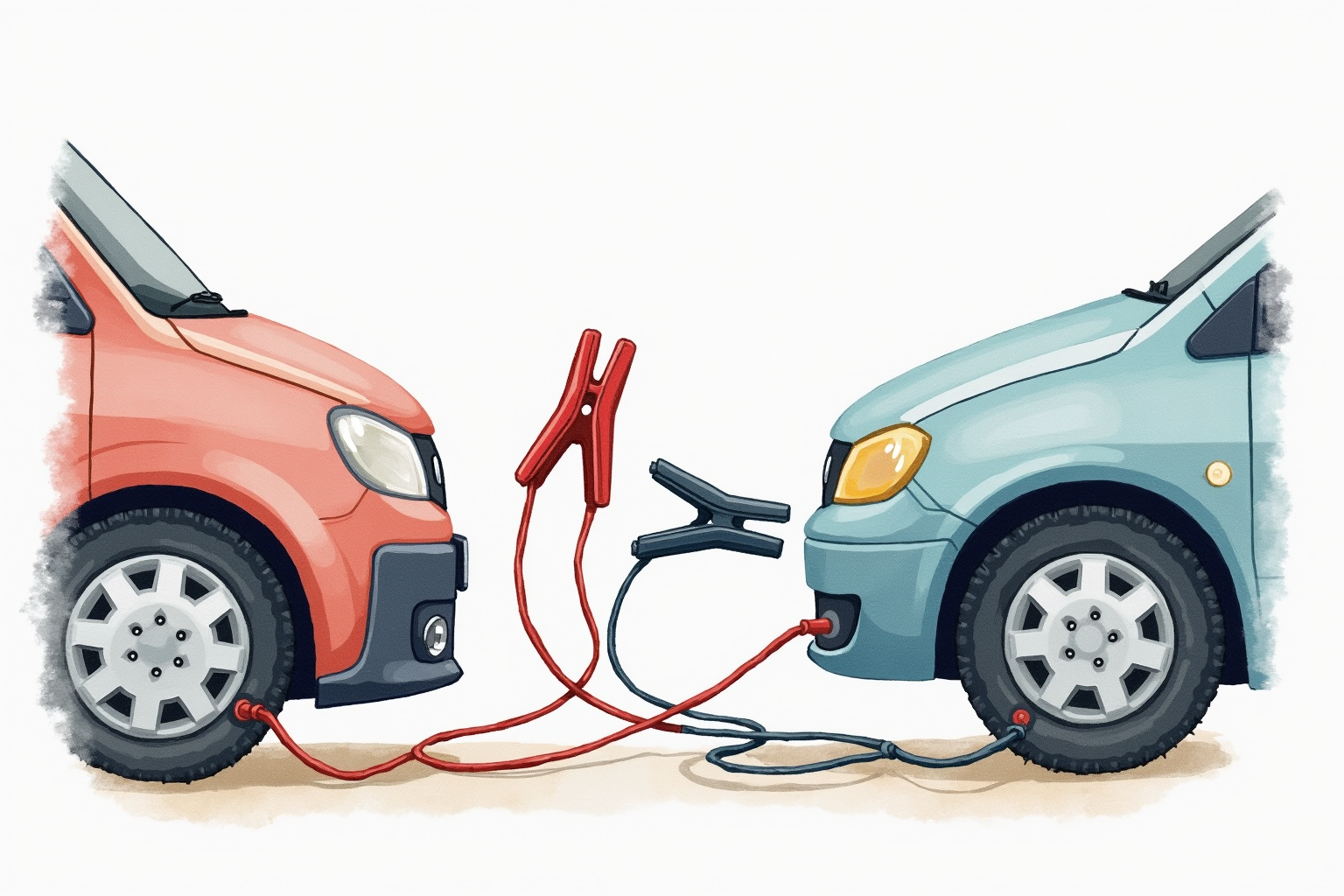
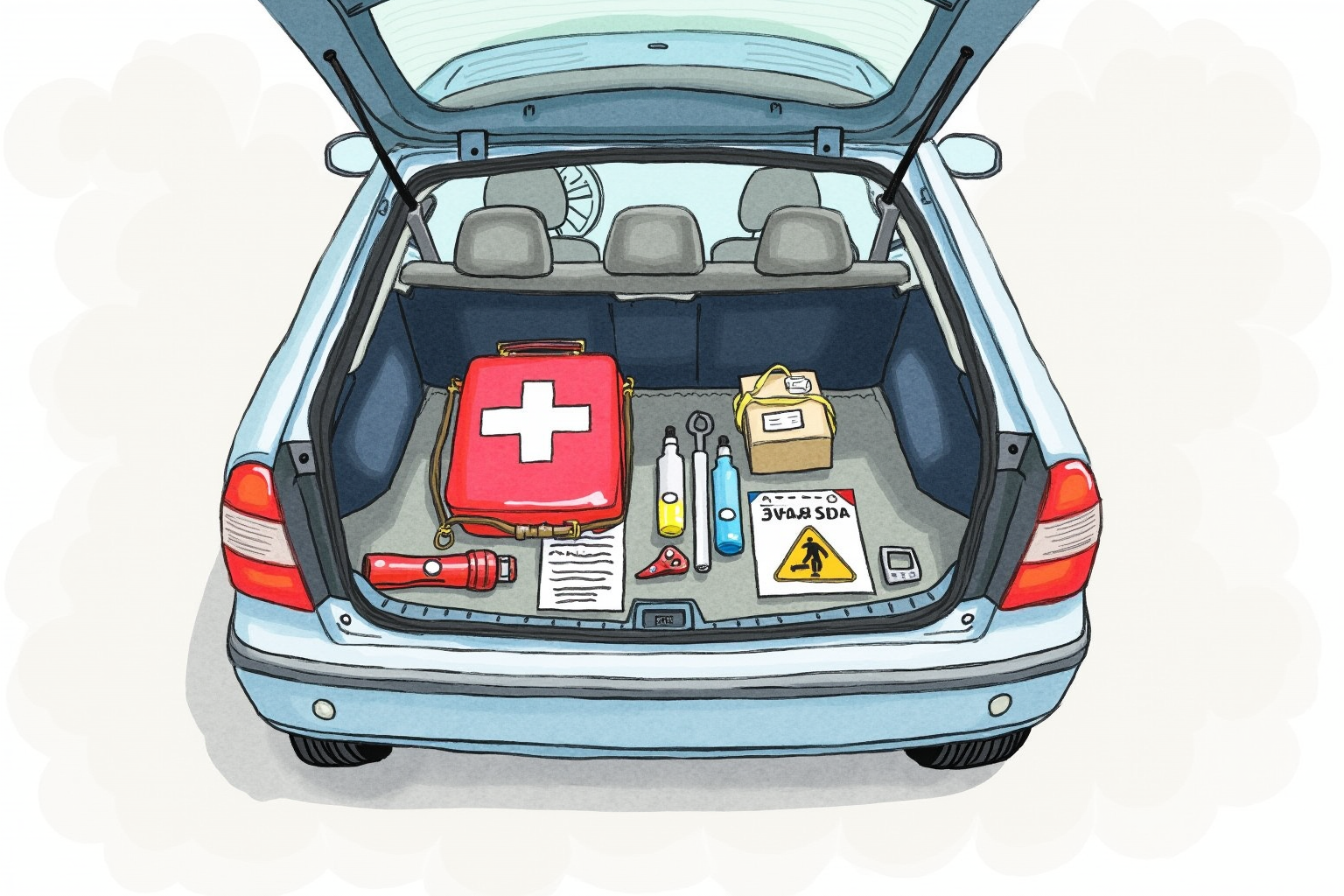
Per AAA and Red Cross recommendations, every vehicle emergency kit should contain:
Power and Light:
- Flashlight with extra batteries (LED, not incandescent)
- Phone charger (cigarette lighter style)
- External battery bank for phone (10,000+ mAh)
Vehicle Power:
- Jumper cables (4-6 AWG, 16-20 ft) OR portable jump starter pack
- Tire pressure gauge
First Aid:
- Basic first aid kit (bandages, antiseptic, pain relievers, gauze, gloves)
- Personal medications (3-day supply)
Tools:
- Multi-tool or basic tool kit (screwdriver, pliers, adjustable wrench)
- Duct tape
- Bungee cords or rope
- Window breaker / seatbelt cutter
Visibility and Safety:
- Reflective triangles or LED flares (3 minimum)
- Reflective safety vest
- Whistle
Supplies:
- Water (1 gallon per person)
- High-calorie non-perishable snacks (energy bars)
- Emergency blanket
- Spare cash ($20-50 in small bills)
Documentation:
- Insurance card photocopy
- Roadside assistance contact info
- Emergency contact list
- Vehicle owner manual
Top jump starter pick
For users wanting self-contained vehicle starting capability without relying on another vehicle:
NOCO Boost Plus GB40 Jump Starter Pack
Price · $100-130
+ Pros
- · Starts vehicles up to 6L gas, 3L diesel engines
- · 12V USB-A and 12V port for charging devices
- · LED flashlight built in
- · Reverse polarity protection prevents misuse damage
− Cons
- · Premium pricing vs basic cables
- · Requires periodic charging (every 6 months)
- · Lithium pack performance degrades at extreme cold
Per Wirecutter and Consumer Reports testing, NOCO Boost Plus GB40 is the consistent recommendation. Starts most passenger vehicles 10-20 times per charge, doubles as USB power bank, includes LED flashlight.
Best for: drivers who park in remote areas, frequently solo travelers, vehicles with chronic battery issues, anyone wanting backup independence from other vehicles.
Pre-built kit options
For users who want comprehensive kit without DIY assembly:
AAA Emergency Roadside Assistance Kit — 76-Piece
Price · $60-80
+ Pros
- · AAA-branded reliability
- · 76 essential items pre-organized
- · Includes jumper cables, first aid, basic tools
- · Durable carrying case
− Cons
- · Quality of individual items is basic
- · May duplicate items you already have
- · Some items low-quality (will need replacement)
Pre-built kits offer convenience and organization. AAA-branded kits typically include reasonably comprehensive contents. Quality of individual items is usually basic — replace as items fail or run out.
Best approach: buy pre-built kit for the case and organization, replace specific items with quality versions over time (jumper cables, flashlight, first aid kit).
Winter additions
For drivers in regions with winter weather, additional items matter:
Ice scraper and snow brush: every winter-region car. Even in mild climates, occasional freezing rain happens.
Traction aid: bag of sand or kitty litter ($5). Helps tires grip when stuck in snow/ice. Drive over to escape spot.
Extra warm clothing: heavy gloves, wool hat, warm socks. Stored in waterproof bag in trunk.
Wool blanket: wool handles moisture better than synthetic. Critical for keeping warm if stuck overnight in cold.
Hand warmers: chemical hand warmers ($1-2 each) for emergency warmth. 8-10 hour duration each.
Snow shovel: collapsible folding shovel for serious winter areas. Helps dig out of snowbanks.
Tire chains or traction mats: depending on climate severity. Required by law in some mountain passes.
Candles and lighter: small candle in metal coffee can provides surprising heat in stuck vehicle. Lighter or windproof matches.
Cold-weather emergency preparedness can be life-saving. Hypothermia kills more people in vehicle emergencies than mechanical failures.
Summer additions
Hot climate driving requires different preparations:
Extra water: doubled supply (2+ gallons per person). Heat dehydration is rapid.
Cooling supplies: wet bandanna, neck cooler, electrolyte powder packets.
Sunscreen and wide-brim hat: if stranded in sun for hours.
Coolant: small bottle of pre-mixed coolant for overheating issues.
Hot weather emergencies often involve overheated engines, dehydration, and accelerated phone battery drain (heat shortens battery life dramatically).
Tools and repair items
Basic mechanical capability for minor fixes:
Multi-tool: Leatherman or similar with pliers, knife, screwdriver bits. $30-100.
Adjustable wrench: 8-10 inch crescent wrench for most automotive bolts.
Tire repair kit: plug kit for punctures ($10-20). Most flat tires can be plugged roadside.
Tire inflator: 12V plug-in compressor ($30-50). After plugging tire, inflate to proper pressure.
Spare fuses: vehicle-specific fuse kit ($5-15). Blown fuse can disable headlights, fuel pump, etc.
Duct tape and zip ties: temporary fixes for many automotive issues.
Quality tools last decades. Buy once, use occasionally for life.
First aid basics
Don’t skip first aid contents:
Adhesive bandages: various sizes for cuts and scrapes Sterile gauze pads and rolls: for larger wounds Antiseptic wipes: clean wounds before bandaging Antibiotic ointment: prevent infection Pain relievers: ibuprofen, acetaminophen (check expiration) Disposable gloves: nitrile, several pairs Tweezers and small scissors: splinter removal, cutting tape CPR mask: barrier for rescue breathing if trained
Replenish first aid kit yearly. Items expire (3-5 years typical) and supplies get used.
Documentation kit
Keep in glove box or trunk emergency kit:
Insurance card photocopy: original might be in wallet during accident Vehicle registration copy: kept separately from car title Roadside assistance phone numbers: AAA membership, manufacturer roadside, insurance Emergency contacts: family members with name, relationship, phone Medical info card: blood type, allergies, medications, conditions Pet info: if traveling with pets, vet contact and rabies certificate
Physical copies are essential — phone may be dead, lost, or damaged in emergency.
Storage and organization
Where to store the kit:
Trunk: most common, easy access for stationary use. Items protected from cold/heat.
Cargo area (SUVs): similar to trunk, behind cargo cover.
Under seats: limited space, accessible from inside vehicle. Best for compact items like flashlight, phone charger.
Glove compartment: documentation, small first aid items.
Use organized container (toolbox, fabric organizer, military ammo can). Don’t just throw items loose in trunk — they migrate during driving and may be hard to find in emergency.
Maintenance schedule
Monthly: check that everything is still there (especially after lending vehicle).
Quarterly: rotate water bottles (heat/cold cycles them quickly), verify flashlight batteries.
Semi-annually: full kit audit at season changes. Add winter items in fall, remove in spring. Replace expired items.
Annually: replace batteries in flashlight and other devices. Check spare tire pressure. Review and update documentation.
A well-maintained kit costs little to keep current and can be life-saving when needed.
Bottom line
A complete vehicle emergency kit costs $100-200 to build and lasts 5-10 years with minor maintenance. The investment pays back the first time it prevents a tow truck call ($75-200), helps with a roadside emergency, or provides real safety in serious situation.
For most drivers, the priority order is:
- Jumper cables or jump pack (most common roadside emergency)
- Flashlight and phone charger (used most often)
- First aid kit (rare but essential)
- Reflective triangles and safety vest (legally required in many states)
- Basic tools (versatile)
Add winter or summer-specific items based on climate. Maintain kit twice yearly. The peace of mind alone justifies the cost.
For complementary reading, see tire pressure monitor tested, OBD2 scanner guide, and the car safety category.