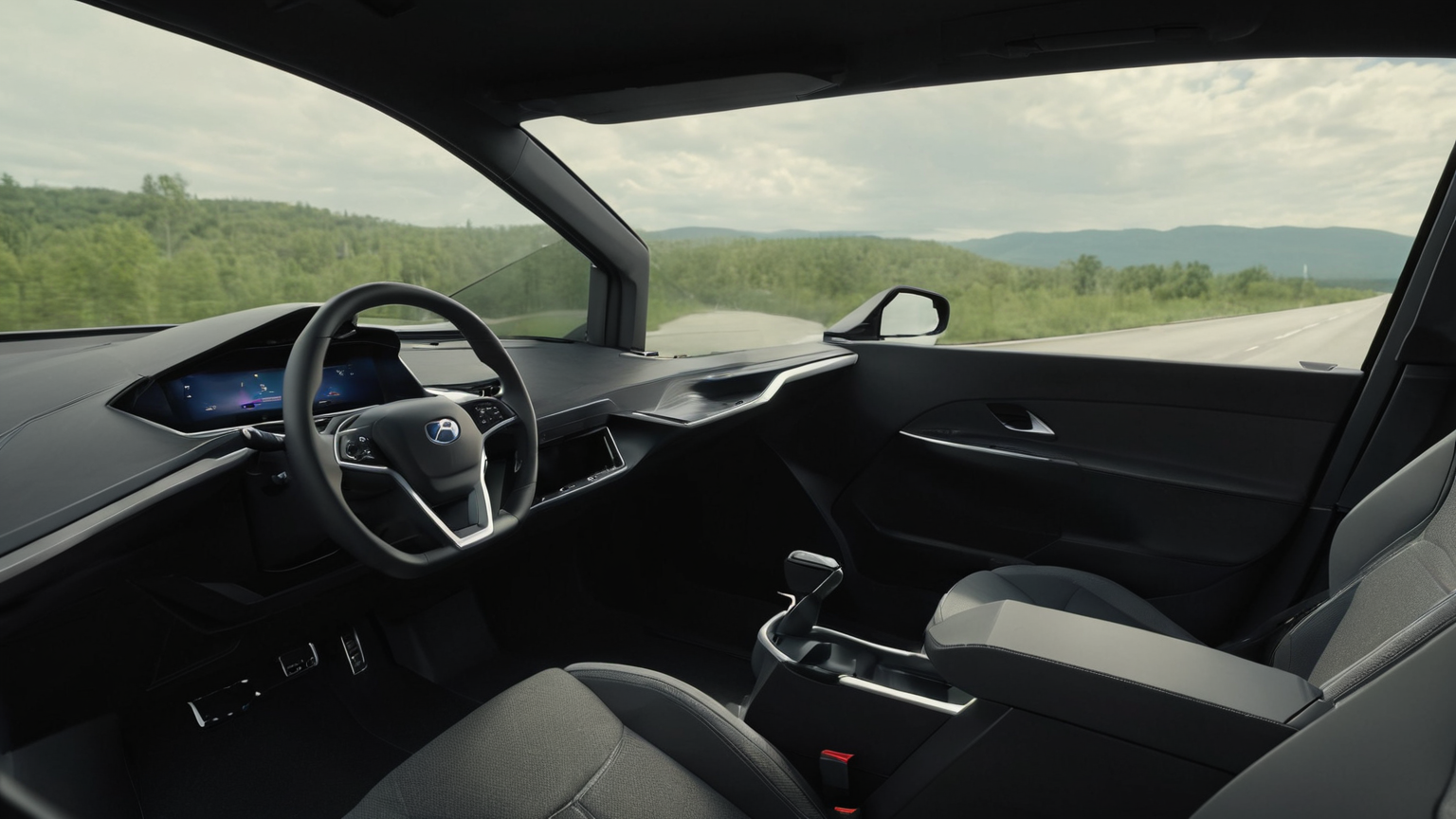
EV Road Trips in Hot Weather: Charging, Range, and Safety Checklist
A 2026 electric-vehicle road-trip guide for hot-weather range planning, charging stops, tires, cabin cooling, and emergency margins.
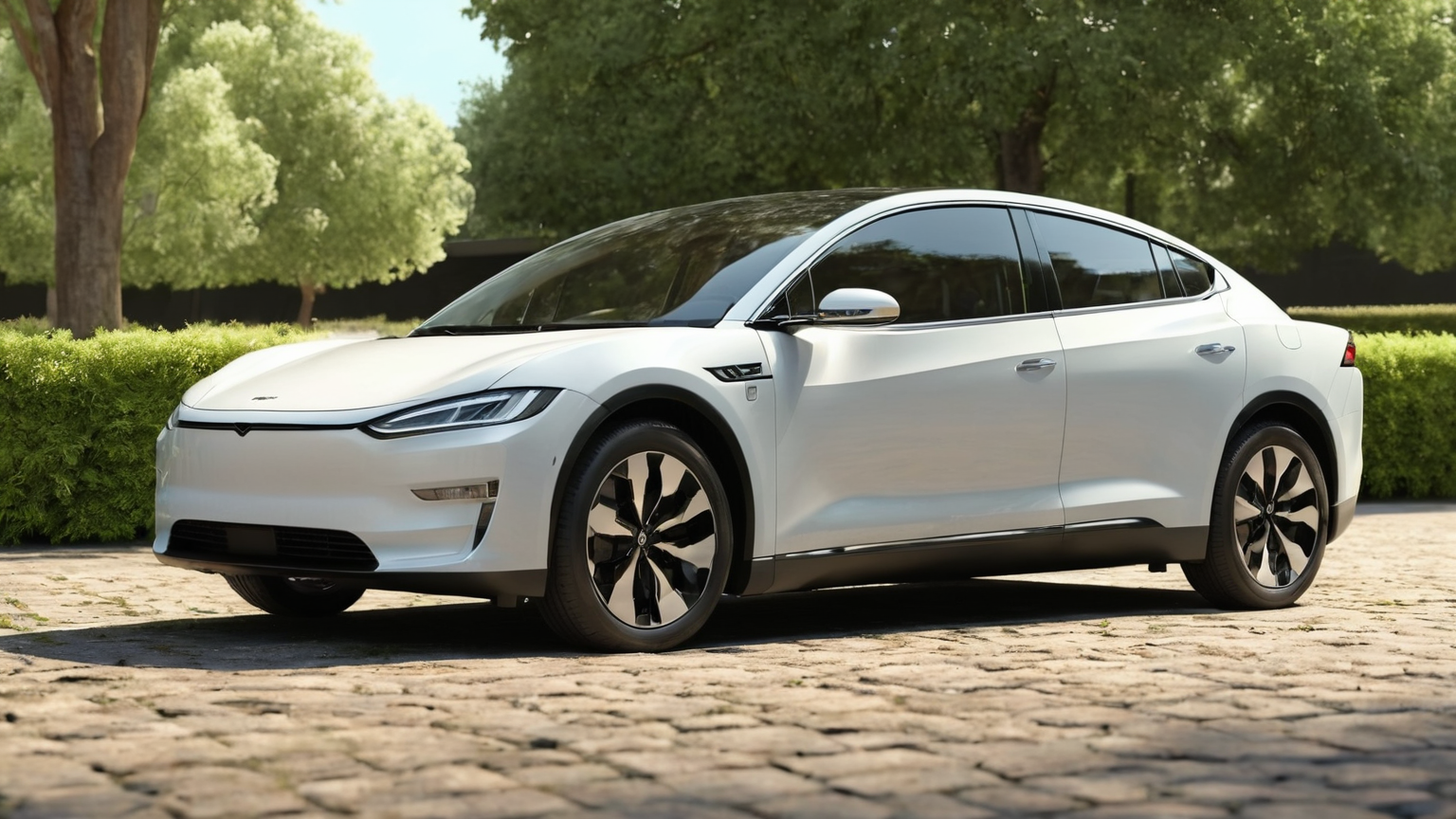
Hot weather does not make an EV road trip impossible, but it rewards planning. This guide was reviewed on 2026-05-31 using DOE, Joint Office, NHTSA, Ready.gov, NWS, and FHWA resources. Always prioritize your vehicle manual, live charger status, and local emergency guidance.
Planning table
| Need | Plan before departure | Why it matters |
|---|---|---|
| Charging | Identify primary and backup stops | A single broken charger can erase your margin |
| Heat | Pre-cool while plugged in when practical | Cabin cooling can affect range and comfort |
| Tires | Check cold pressure and tread | Heat, load, and speed stress tires |
| Route | Watch weather, grades, and detours | Range estimates are not promises |
| Emergency | Carry water, shade, phone power | Charging delays can become heat exposure |
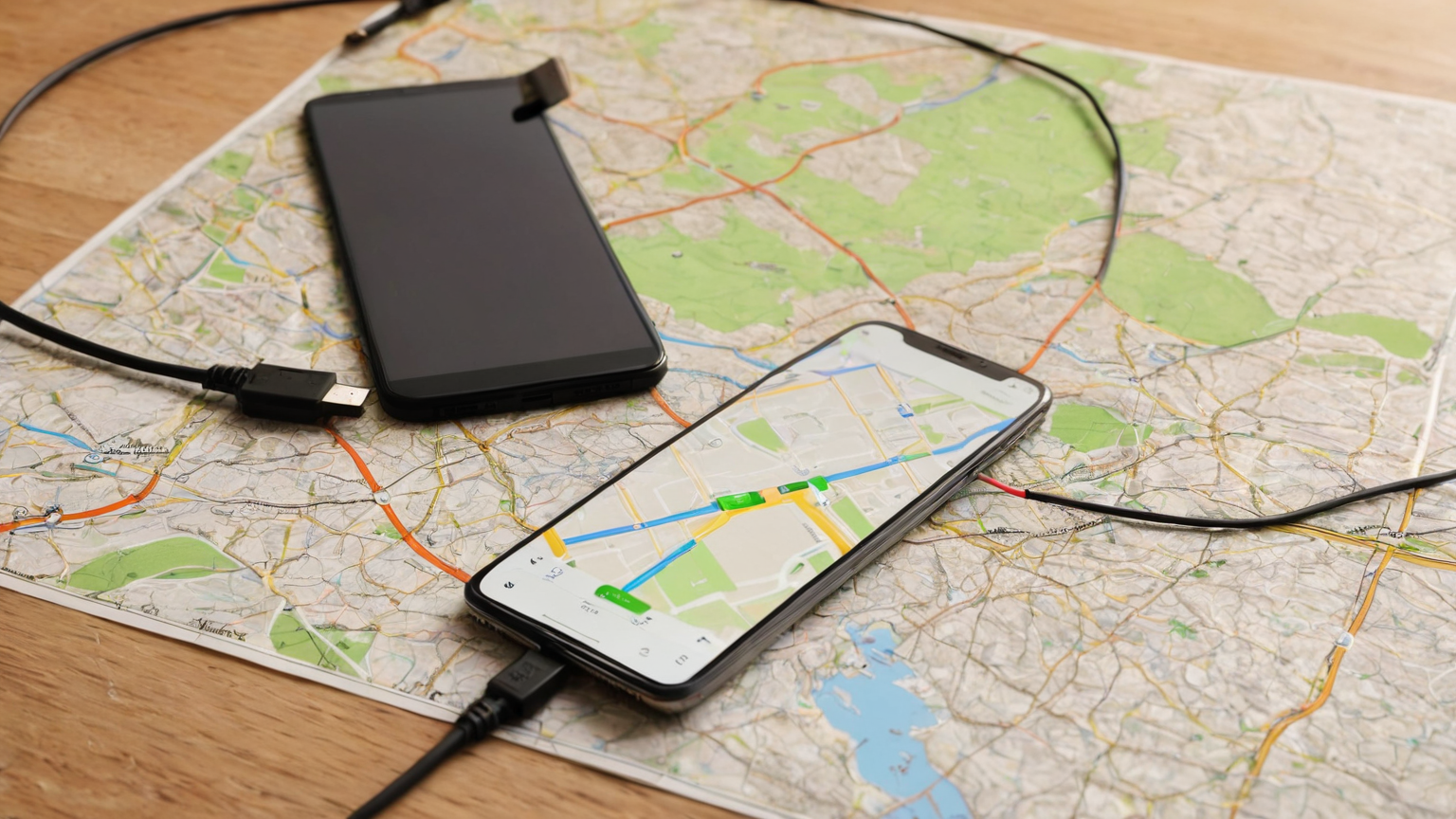
Do not plan to arrive empty
Build a reserve into each leg. A charger may be occupied, derated, offline, blocked, or slower than expected. If the next stop has few alternatives, leave with more battery than the optimistic app suggests.
This section is intentionally practical: it turns EV hot-weather road-trip safety into an observable routine instead of a vague intention. Start with the condition you can verify today, write down what you saw, then choose the smallest safe next action. If the result would depend on a medical diagnosis, vehicle repair, food-safety uncertainty, electrical work, local rebates, or appliance specifications, use the linked official source and a qualified professional rather than guessing. The goal is not to buy more gear; it is to reduce avoidable risk with repeatable habits, documented checks, and clear stop points.
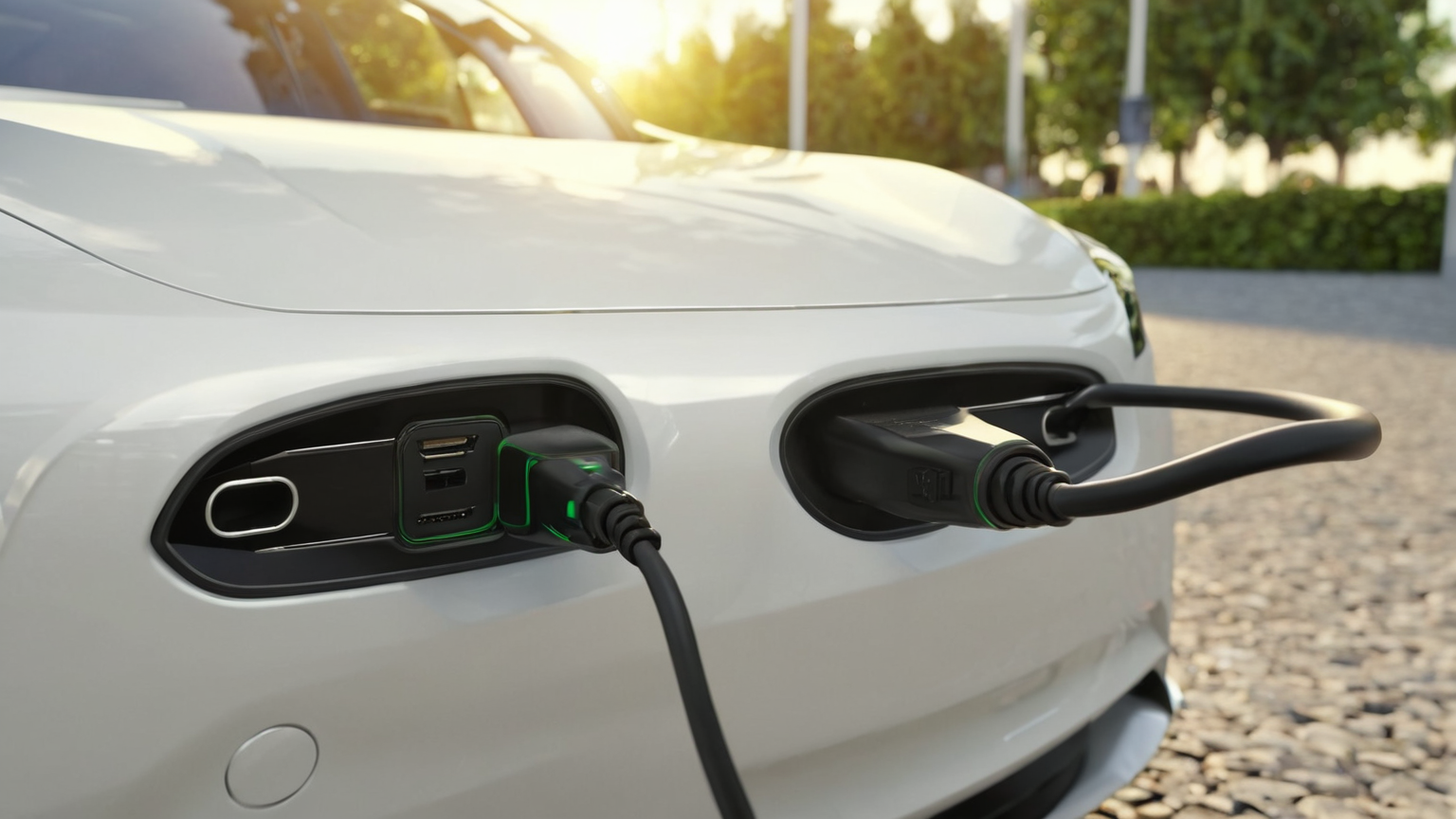
Heat changes comfort and decisions
Pre-cooling while plugged in can make the first miles easier. Use sunshades and shaded parking when available. Never leave children, pets, or vulnerable adults in a vehicle while troubleshooting a charge, even briefly.
Tires still matter in an EV
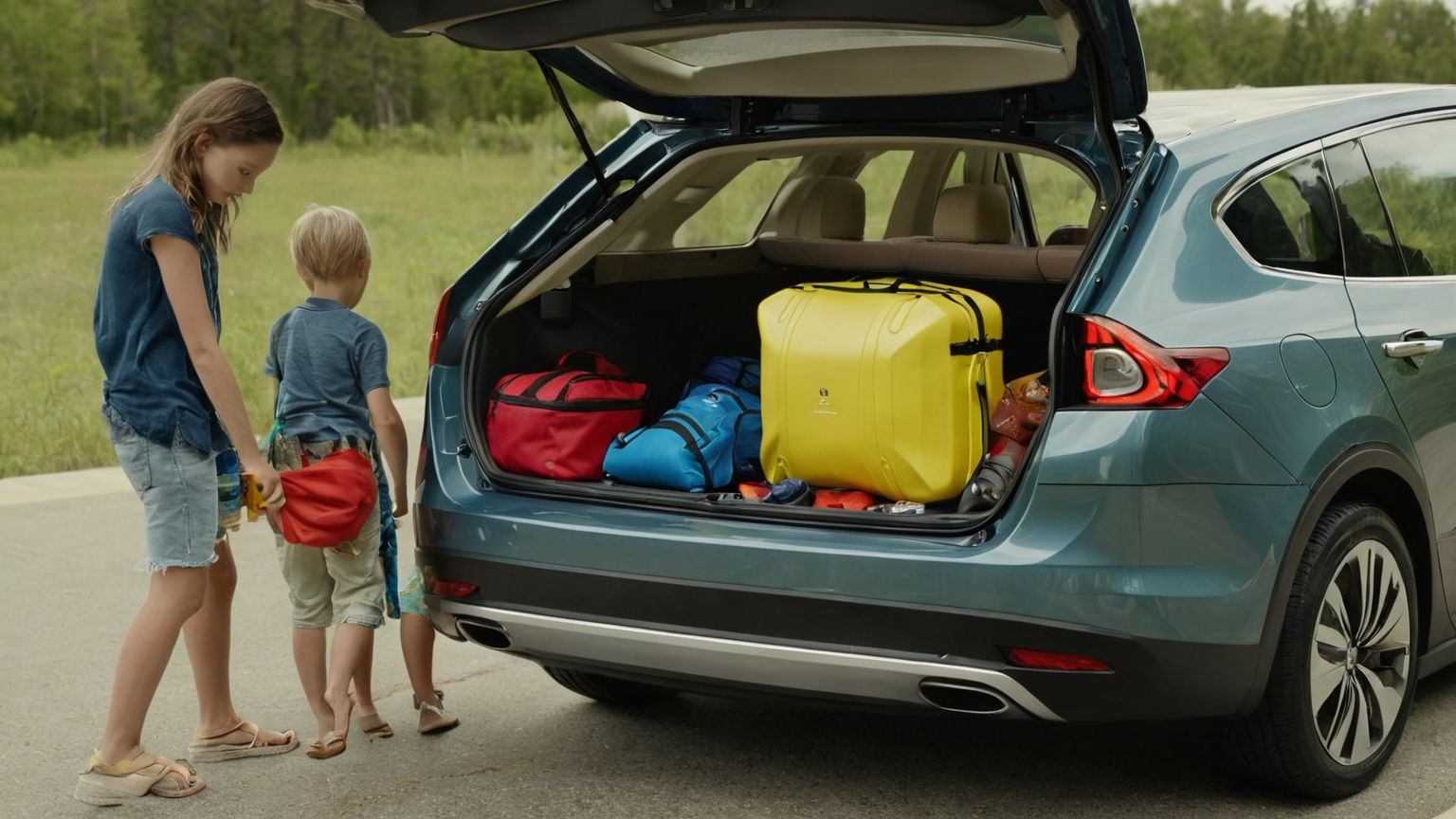
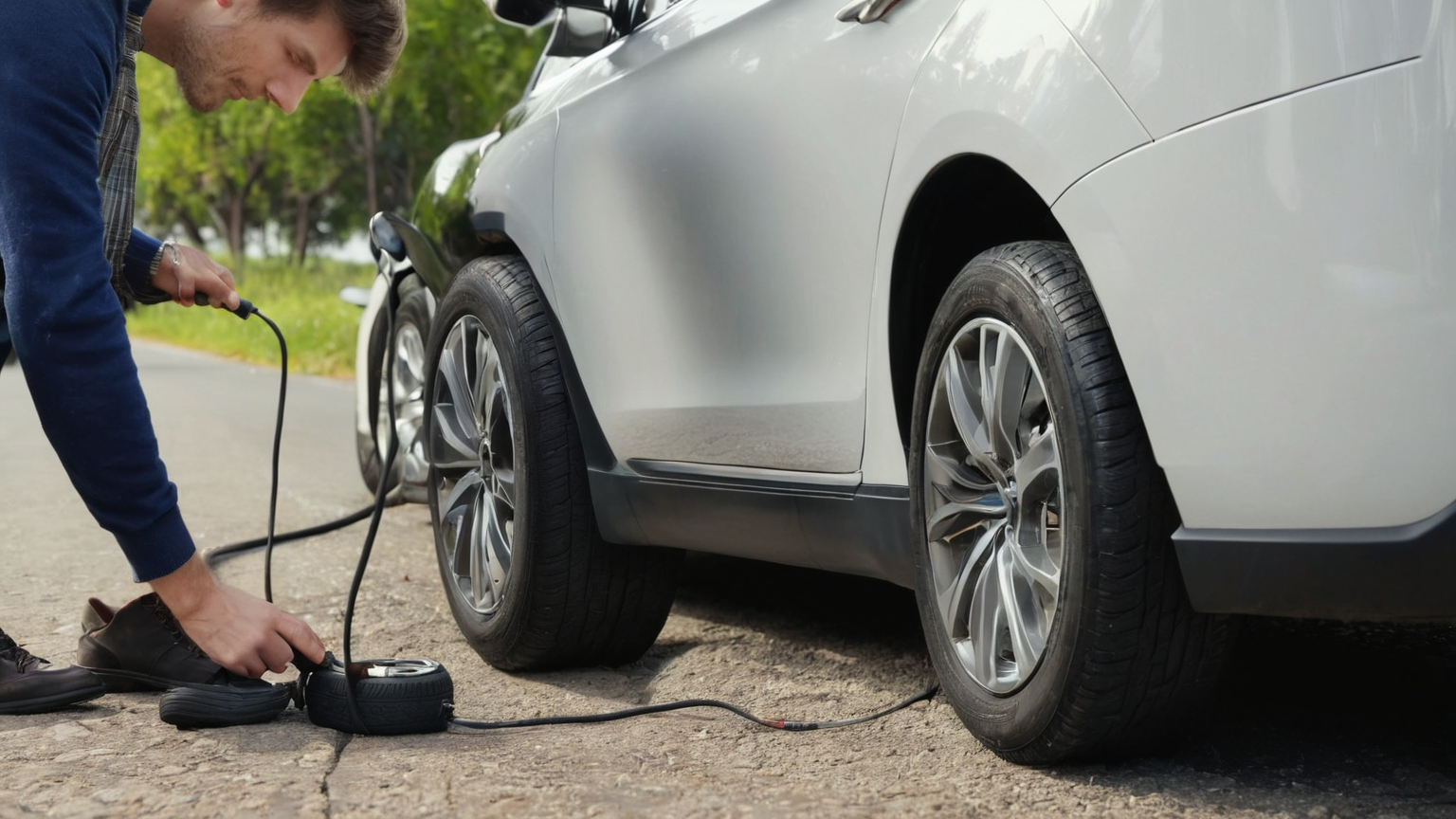
EV weight and torque do not excuse skipped tire checks. Use the placard/owner manual target, inspect tread and sidewalls, and remember that a loaded trunk changes handling. TPMS helps but is not a full inspection.
Charging etiquette reduces stress
Move when charging is complete, avoid parking in charging spots unless charging, and report broken equipment through the network app if possible. Keep a payment backup, cable plan, and enough phone battery to navigate.
Checklist
- Verify charger status close to departure.
- Save backup stops offline.
- Check tires cold before loading.
- Carry water, shade, and a phone power bank.
- Give yourself time; rushing wastes energy and judgment.
FAQ
Should I trust range estimates? Treat them as estimates that change with speed, heat, cargo, elevation, and HVAC use.
What if chargers are unreliable on my route? Increase reserve, shorten legs, or choose a different route.