EV Summer Road Trip Charging and Heat Checklist
A 2026 practical checklist for planning electric-vehicle charging, heat, range margin, and emergency stops.
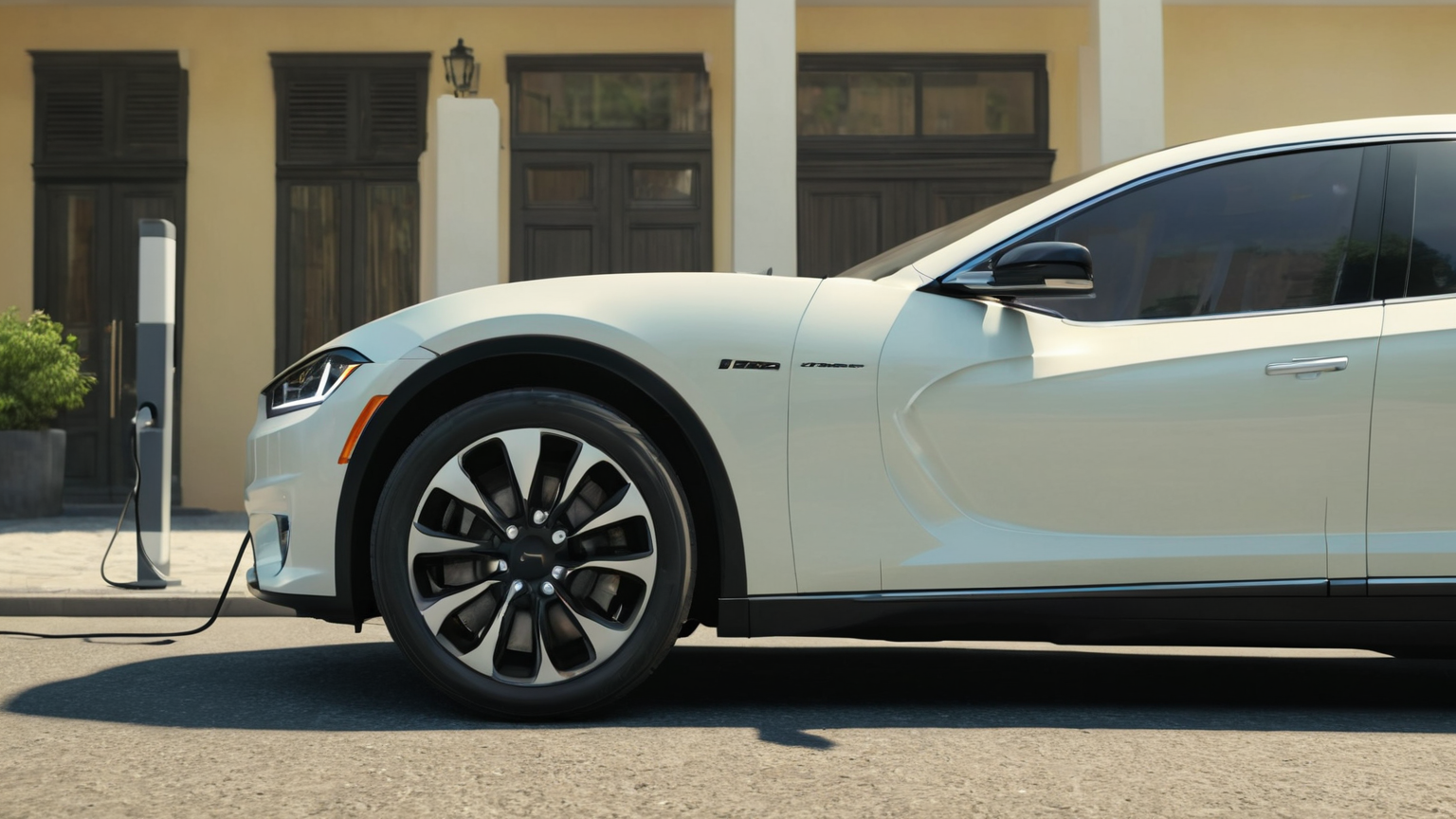
Summer electric-vehicle trips are easiest when charging stops, heat, passengers, cargo, and backup options are planned before departure. This guide was checked on 2026-06-02 against U.S. DOE AFDC, FuelEconomy.gov, Energy Saver, and National Weather Service resources. Use your vehicle manual, charger network status, local weather, and road conditions for the final decision.
EV summer trip table
| Planning point | Safer action | Mistake to avoid |
|---|---|---|
| Route | Pick primary and backup charging stops | Assuming every listed charger works |
| Heat | Add range margin for climate control and detours | Planning to arrive nearly empty |
| Cargo | Load low and stay within ratings | Roof load or heavy cargo without range margin |
| Tires | Check cold pressure before the trip | Adjusting from a hot rest-stop reading |
| Weather | Watch heat, storms, flooding, and construction | Treating charger time as the only constraint |

Plan charging as a chain, not a single stop
A public charging map is a starting point, not a guarantee. Confirm connector type, speed, access hours, payment method, recent station status if available, and a second option within practical range. For rural routes, mountains, heat, headwinds, heavy cargo, or towing, keep more battery margin than the optimistic planner suggests.
The most useful version of this routine is intentionally conservative. For EV summer charging and road-trip planning, make the decision before you are tired, hot, hungry, rushed, or trying to justify a purchase. Write down the trigger that changes the plan, keep the relevant official source open, and choose the option that leaves the biggest margin for error. A good checklist should work on a messy weekday, not only during a perfect demonstration.
Heat affects people before it affects the schedule
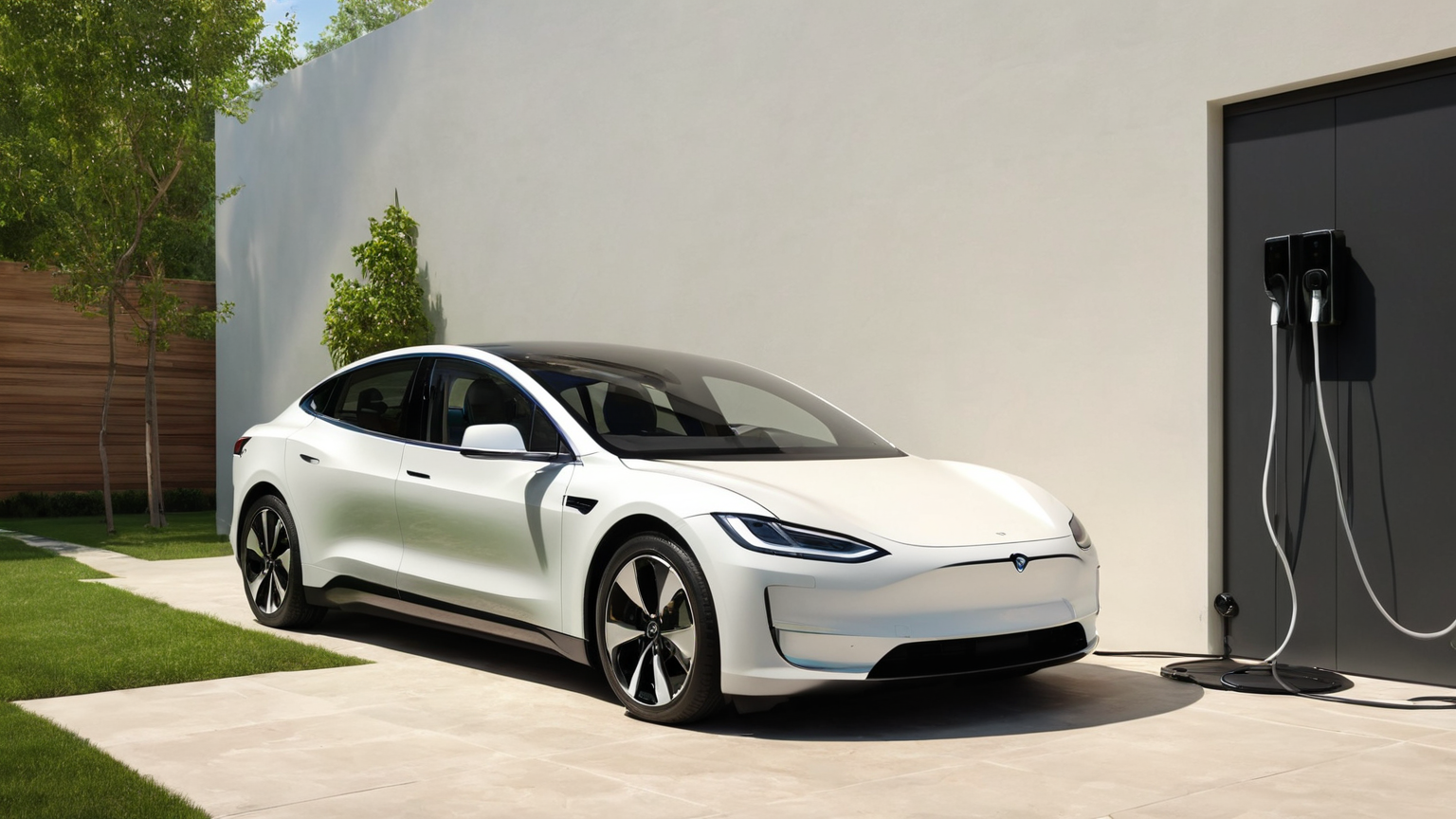
Cabin cooling, battery thermal management, passengers, pets, and waiting at chargers all matter. Never leave children or pets in a parked vehicle. Carry water, plan shaded stops, and avoid turning a delayed charger into a heat exposure problem. If a charger is down and the next option is marginal, slow down and reduce unnecessary energy use rather than gambling.
Build range margin around the actual car
Use the exact vehicle, tire condition, load, speed, and weather. A roof box, bike rack, high speed, soft tires, or steep route can change consumption. Check cold tire pressure, load heavy items low, and avoid blocking visibility or emergency gear. Do not use the dashboard estimate as a promise.

Charger-stop safety checklist
Choose well-lit, public locations when possible. Keep payment options ready, avoid handling cables in standing water or unsafe weather, and move the car when charging is complete. If a site feels unsafe, leave enough battery to choose another stop. During thunderstorms or flooding, prioritize safety over the charging plan.
What to prepare before leaving
Download or save route details, charger apps, roadside assistance numbers, and offline maps. Know how to precondition or manage charging according to the manual. Pack water, sun protection, phone power, and a basic emergency kit. If the trip depends on a single remote fast charger, reconsider the route or overnight stop.
15-minute departure checklist
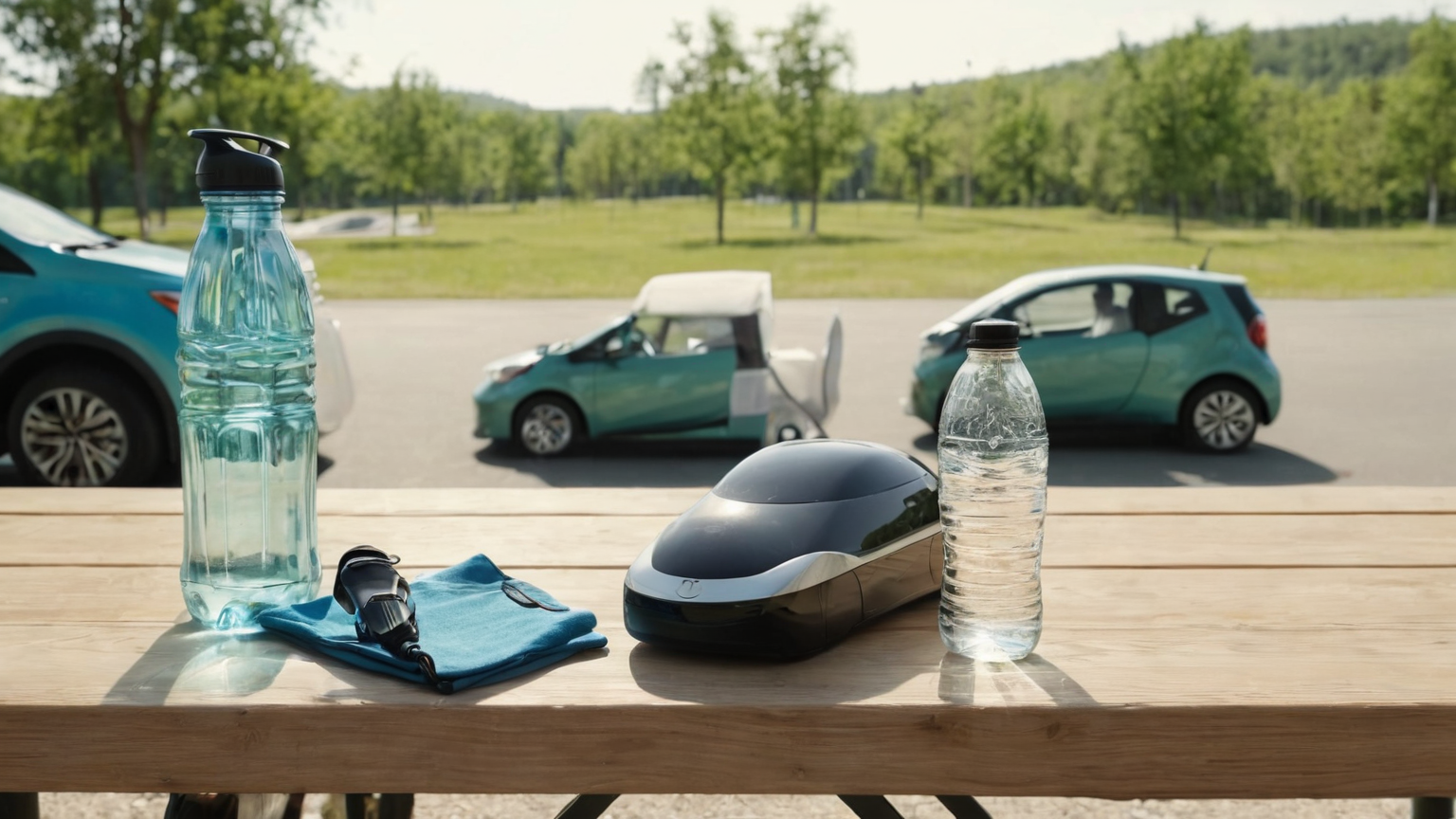
- Confirm primary and backup charging stops.
- Check tires cold and inspect for damage.
- Load cargo low and secure.
- Add range margin for heat, speed, hills, cargo, and detours.
- Save weather alerts and construction alternatives.
- Carry water and phone power.
- Decide the battery level that triggers a slower speed or earlier stop.
Example decision
If the route planner shows arrival at a rural charger with a narrow battery margin during a heat advisory, add an earlier stop or choose a different route. The better trip is the one that avoids turning charger uncertainty into roadside heat risk.

FAQ summary
EV summer travel works best with generous margins: verified charging options, heat planning, tire checks, backup stops, and a clear rule for slowing down or rerouting.
Planning example: a hot-weather EV day trip
Imagine a 260-mile summer drive with lunch, a return leg after sunset, and daytime highs near the local heat-advisory threshold. A low-stress plan starts the night before: charge at home, pre-cool while plugged in, check tire pressure cold, and confirm that the first fast charger has at least two backup options within comfortable range. The target is not to maximize speed; it is to avoid arriving at a charger with low state of charge, high cabin heat, and no fallback.
For the outbound leg, choose a first charging stop that leaves a practical buffer rather than the mathematically shortest route. Heat, headwind, elevation, roof boxes, passengers, and long air-conditioning use can all widen the gap between rated and real range. If the car predicts arrival below the driver’s comfort threshold, slow down a little before the battery is low; speed reduction is often more effective than hoping the estimate improves.
At the charger, treat cabin comfort and battery care as separate tasks. Park in shade if available, avoid blocking airflow, keep people and pets out of dangerous heat, and do not leave essential cooling dependent on a charger that may fault. If charging speed tapers because the pack is hot or the charger is busy, use the stop for food, restroom, and route review rather than repeatedly restarting sessions.
The return leg deserves its own plan. Night driving reduces heat load but adds fatigue and visibility risks. Confirm that emergency water, phone battery, reflective gear, and roadside assistance details are accessible from the cabin, not buried under luggage. A good EV road trip feels uneventful because the uncomfortable decisions were made before the dashboard warning appeared.