Flash Flood Road Trip Safety: Turn-Around Checklist
A 2026 driver guide for summer storms, flooded roads, route planning, emergency kits, and no-pressure turn-around decisions.
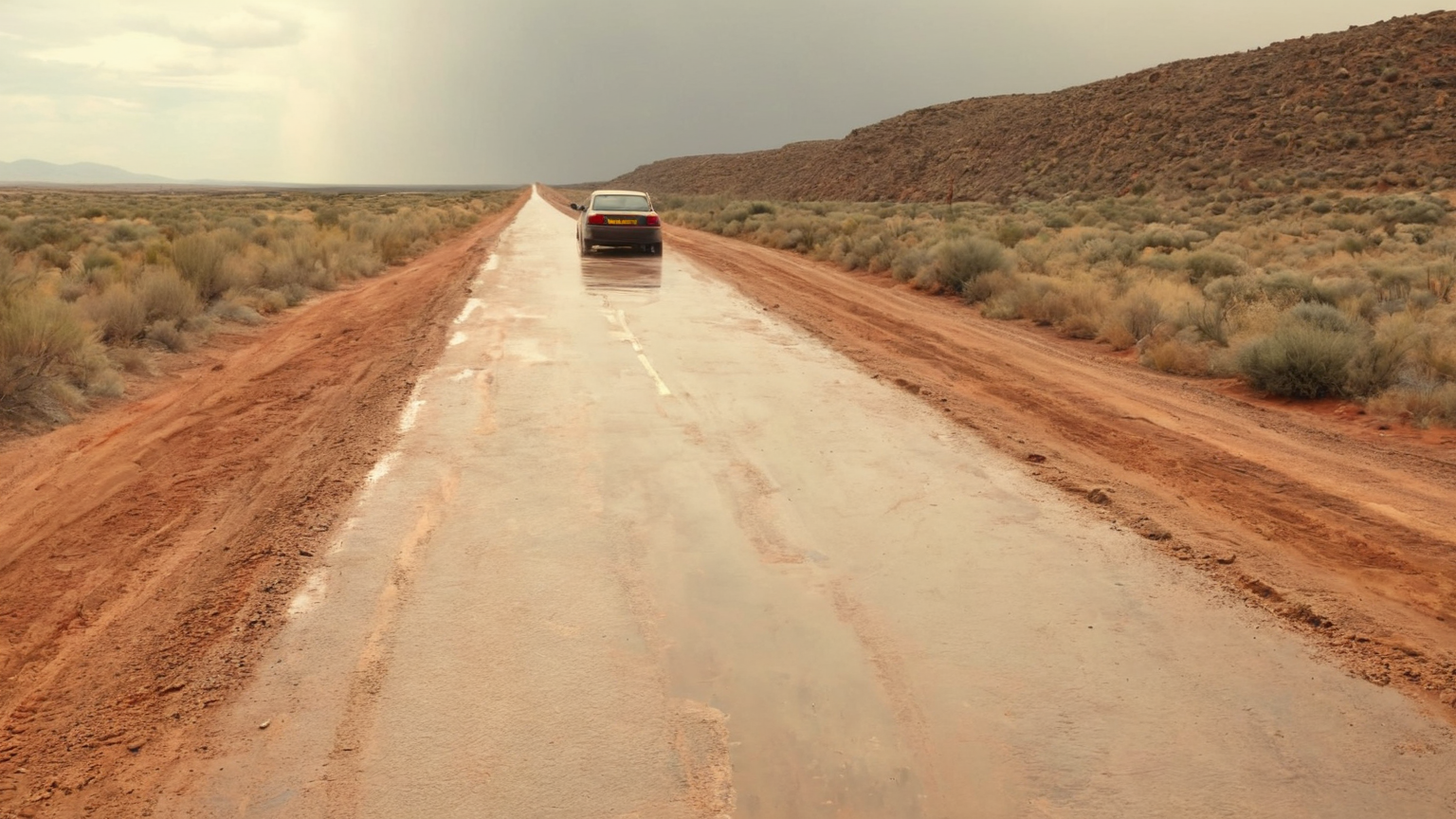
Summer road trips can turn dangerous quickly when thunderstorms, low-water crossings, poor visibility, and unfamiliar roads overlap. This guide was checked on 2026-06-03 against National Weather Service, NOAA, CDC, and Federal Highway Administration resources. It is a driver decision checklist, not a substitute for local emergency instructions.
Flood-driving decision table
| Situation | Safer choice | Mistake to avoid |
|---|---|---|
| Water covers the road | Turn around and choose another route | Estimating depth from the driver seat |
| Heavy rain at night | Delay or stop at a safe public place | Following tail lights into unknown water |
| Navigation suggests a low road | Check alerts and choose higher alternatives | Trusting the fastest route during storms |
| Vehicle stalls in water | Leave only if safe and seek higher ground | Restarting or staying where water is rising |
| Trip pressure | Inform others and arrive late | Letting reservations or schedules override safety |
Decide before the road disappears
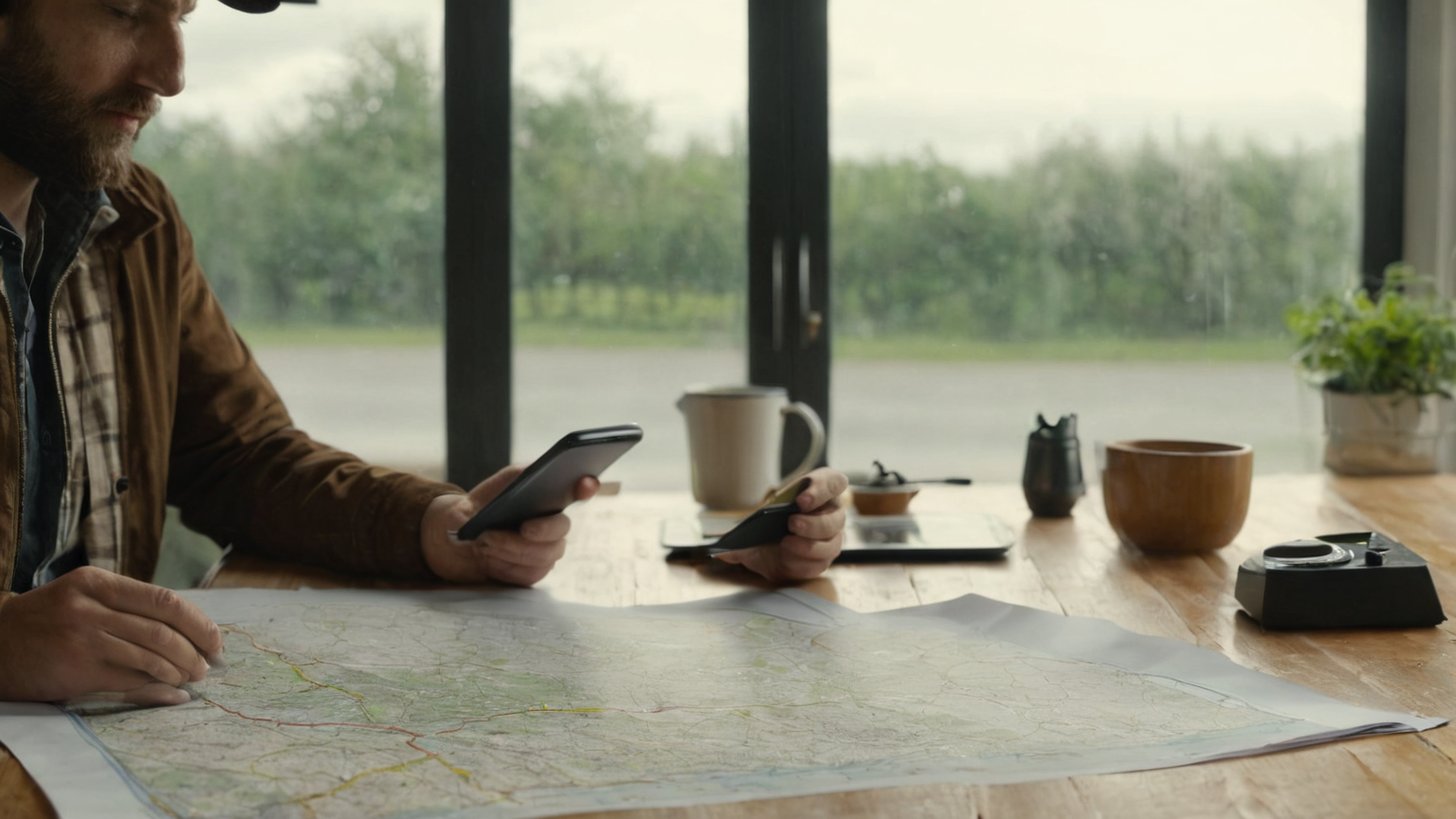
The safest flooded-road decision is made before the vehicle reaches water. Check weather alerts, radar, local closures, and route terrain before departure and during breaks. Low-water crossings, underpasses, desert washes, mountain roads, and urban drainage points can become hazardous faster than a road-trip schedule can adapt.
A useful flash flood road trip safety routine should be boring enough to repeat. Decide the stop rule before you are rushed, keep the official source or label available, and choose the option that leaves a margin for mistakes. The goal is not a perfect checklist; it is a safer weekday decision when heat, fatigue, clutter, schedules, and limited attention make shortcuts tempting.
Turn around without debating depth
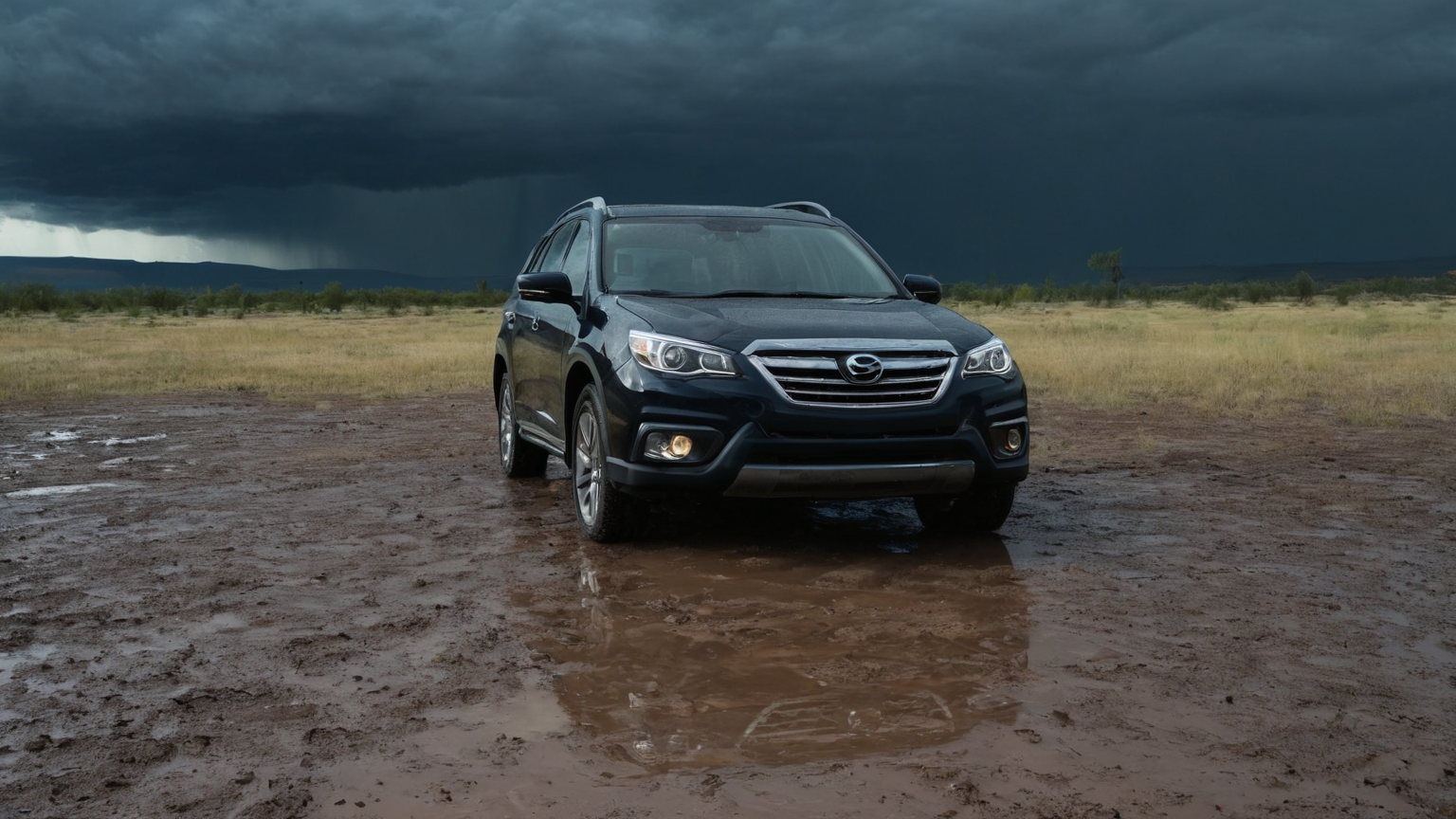
Do not drive through flooded roads. Water can hide washed-out pavement, debris, current, or a deeper section than it appears. Vehicles can be swept away in surprisingly shallow moving water. If you cannot see the road surface or local authorities have blocked the road, the route is closed for your purposes.
Build delays into the plan
A safe itinerary has time for weather. Share an updated arrival time, choose rest stops on higher ground, and keep fuel or charge margin for detours. Download offline maps, but do not treat navigation as weather intelligence. A longer dry route is better than a short uncertain one.
Pack for waiting, not for heroics
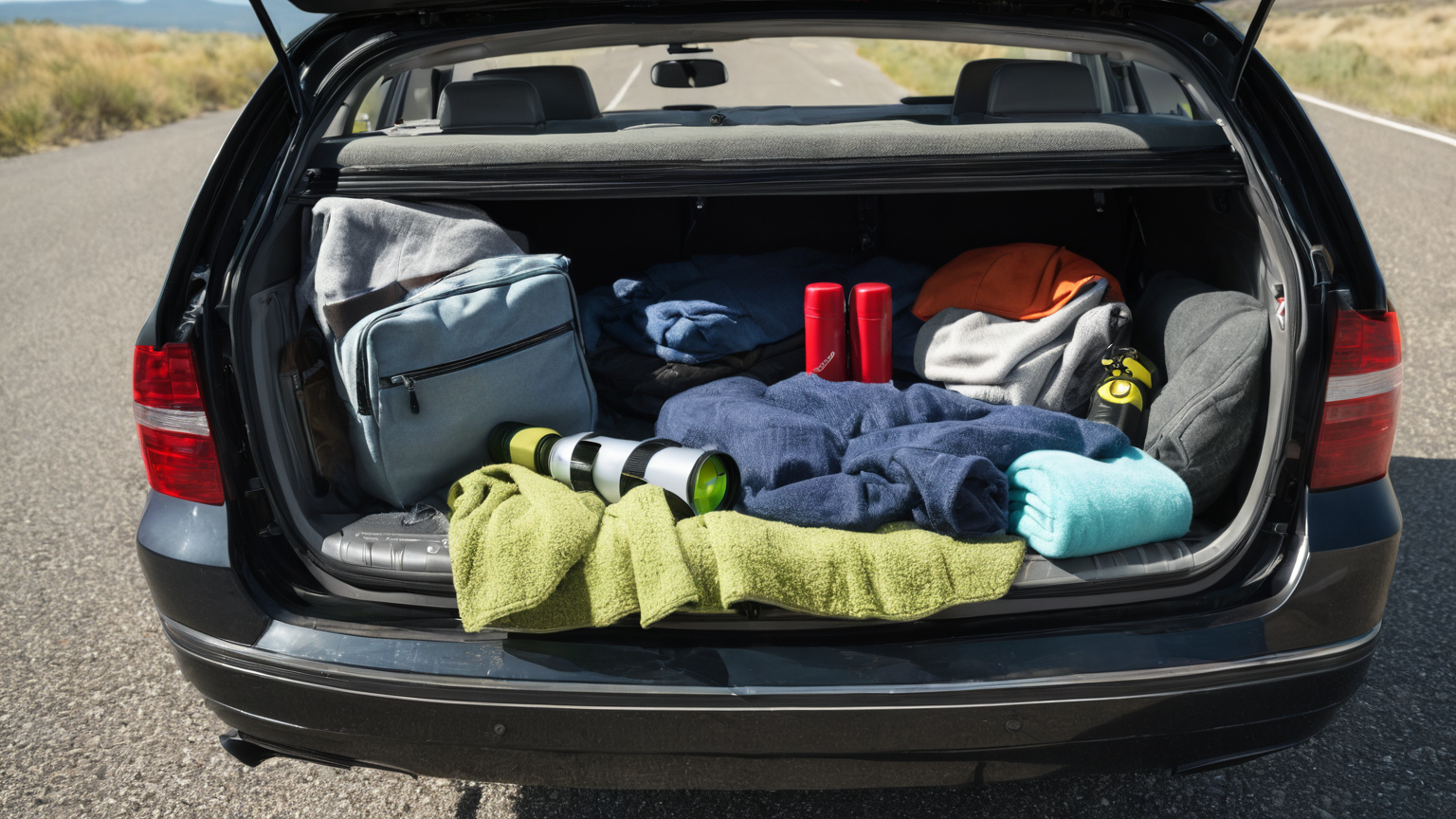
A vehicle kit should make waiting safer: water, snacks, phone power, flashlight, basic first aid, blankets, and essential medications. It is not permission to enter floodwater. During lightning or severe storms, shelter decisions should follow official guidance and local conditions.
If conditions worsen while driving
Slow down for visibility, increase following distance, turn on headlights as required, and pull off only where it is safe and legal. Avoid stopping under bridges or in drainage areas. If authorities issue evacuation or closure instructions, follow them rather than internet shortcuts.
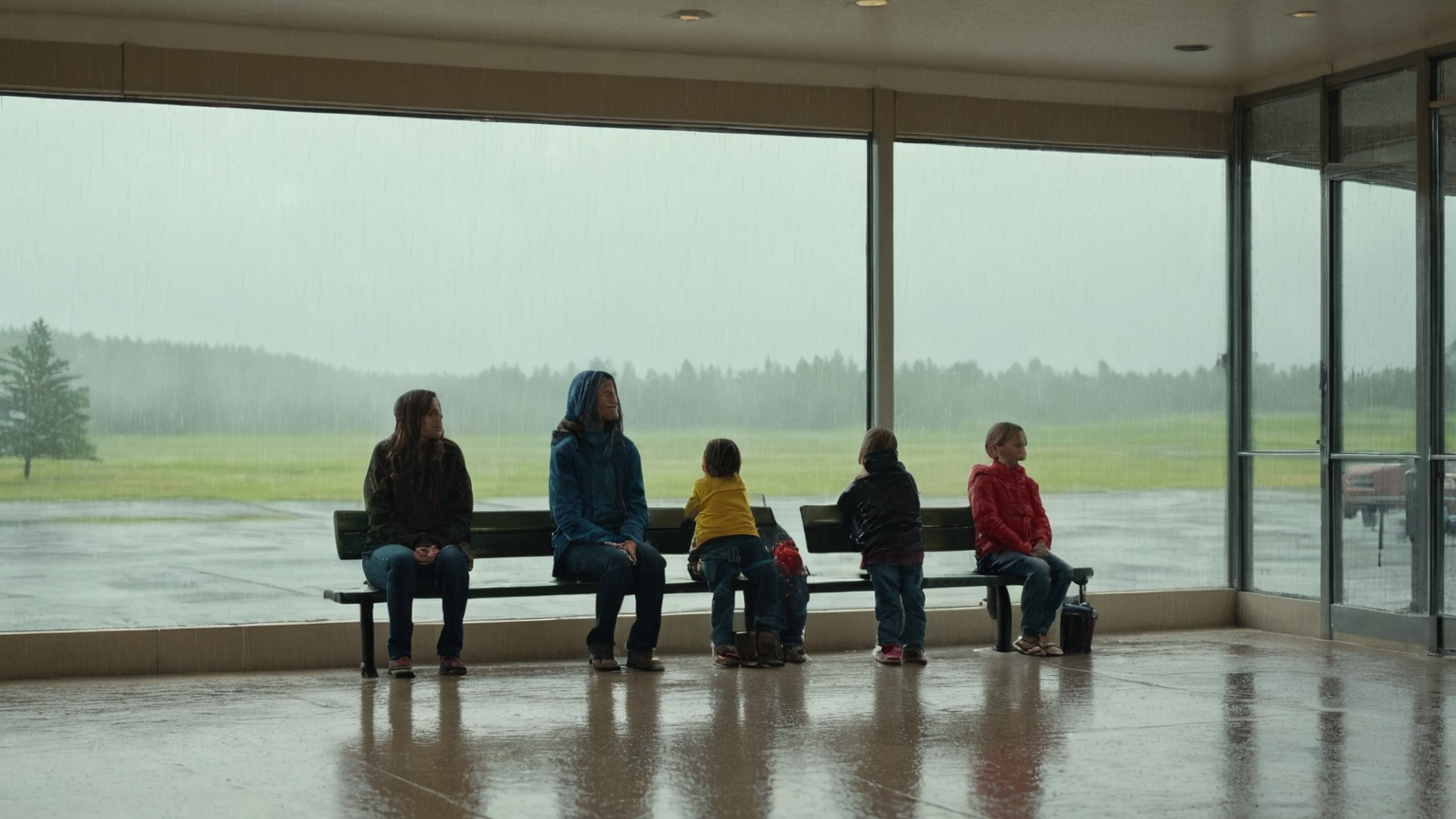
Turn-around checklist
- Check NWS alerts before entering a storm-prone route.
- Avoid low-water crossings and underpasses during heavy rain.
- Never drive through water covering the road.
- Keep enough fuel or battery for detours.
- Choose safe public waiting places on higher ground.
- Tell passengers the turn-around rule before the trip.
- Follow local emergency instructions.
Example decision
A navigation app suggests a rural shortcut during a thunderstorm watch. The route crosses a creek road with poor visibility, so the driver chooses the longer highway, tells the host they will be late, and stops at a safe public place if rain intensifies.

FAQ summary
Flood driving safety depends on a firm rule: if water covers the road, turn around. Planning, weather checks, detour margin, and passenger expectations make that rule easier to follow.