Hailstorm Driving and Windshield Damage Decision Plan
A driver-focused 2026 plan for hail, severe thunderstorm warnings, windshield damage, safe pull-offs, visibility, insurance evidence, and post-storm checks.
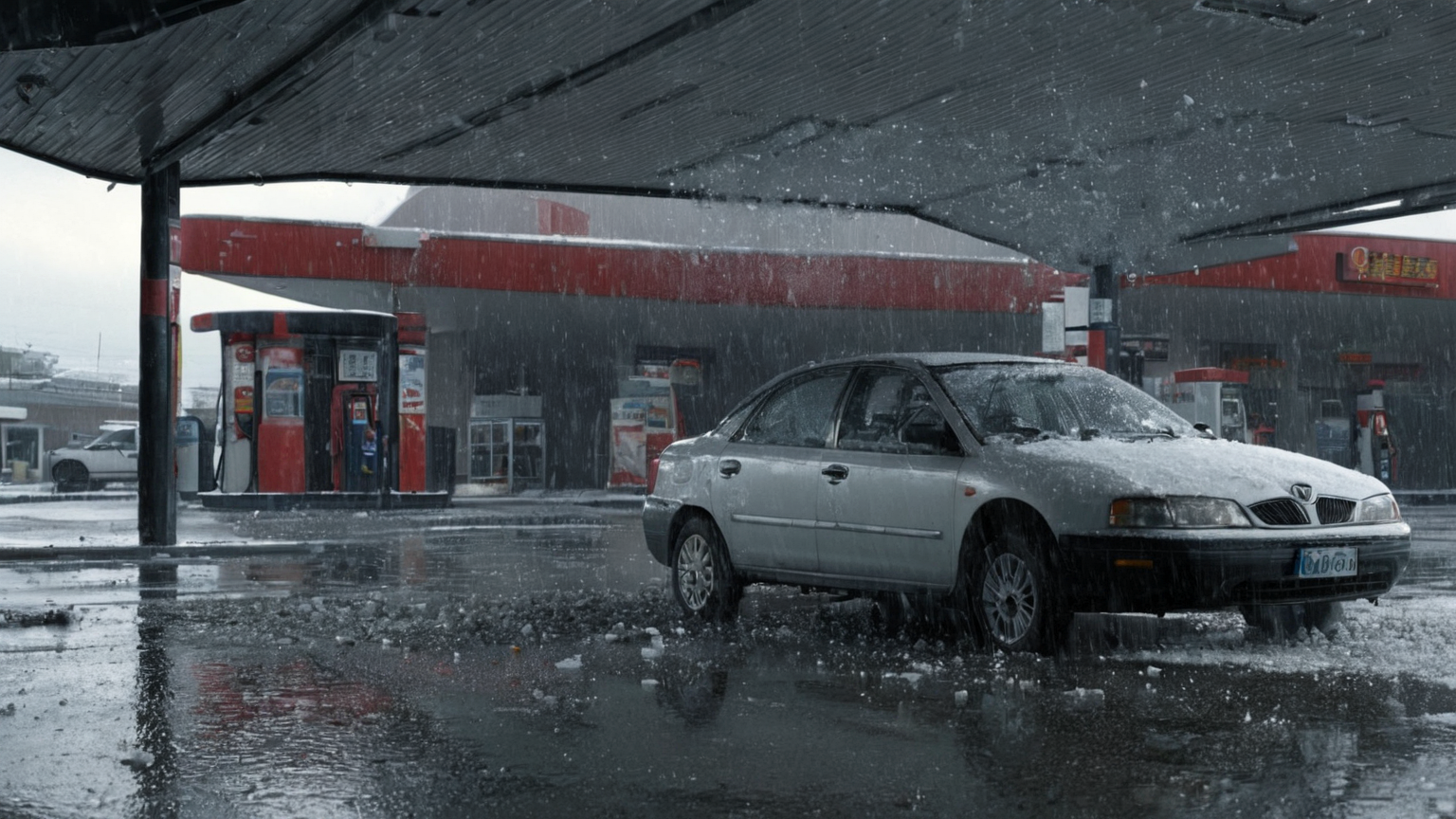
Hail rarely gives a driver a clean decision window. A bright route can become a severe-thunderstorm situation with low visibility, slick pavement, flying debris, panic braking, and windshield damage. This guide was checked on 2026-06-07 against National Weather Service, NHTSA, Ready.gov, and FHWA road-weather resources. It is not legal, mechanical, or insurance advice; it is a practical plan for deciding when to delay departure, where to stop, what not to do under stress, and how to inspect the vehicle afterward.
Quick decision table
| Situation | Safer choice | Mistake to avoid |
|---|---|---|
| Severe thunderstorm or hail warning before departure | Delay the optional trip and monitor official alerts | Leaving because the route looked fine ten minutes ago |
| Hail begins while driving | Reduce speed, increase following distance, and seek a safe legal stop | Stopping in a travel lane or under a dangerous structure |
| Windshield cracks or visibility drops | Stop when safe and avoid continuing into worse weather | Driving faster to “get out of it” |
| Storm has passed | Inspect tires, glass, lights, and body from a safe place | Walking around the vehicle on a live shoulder |
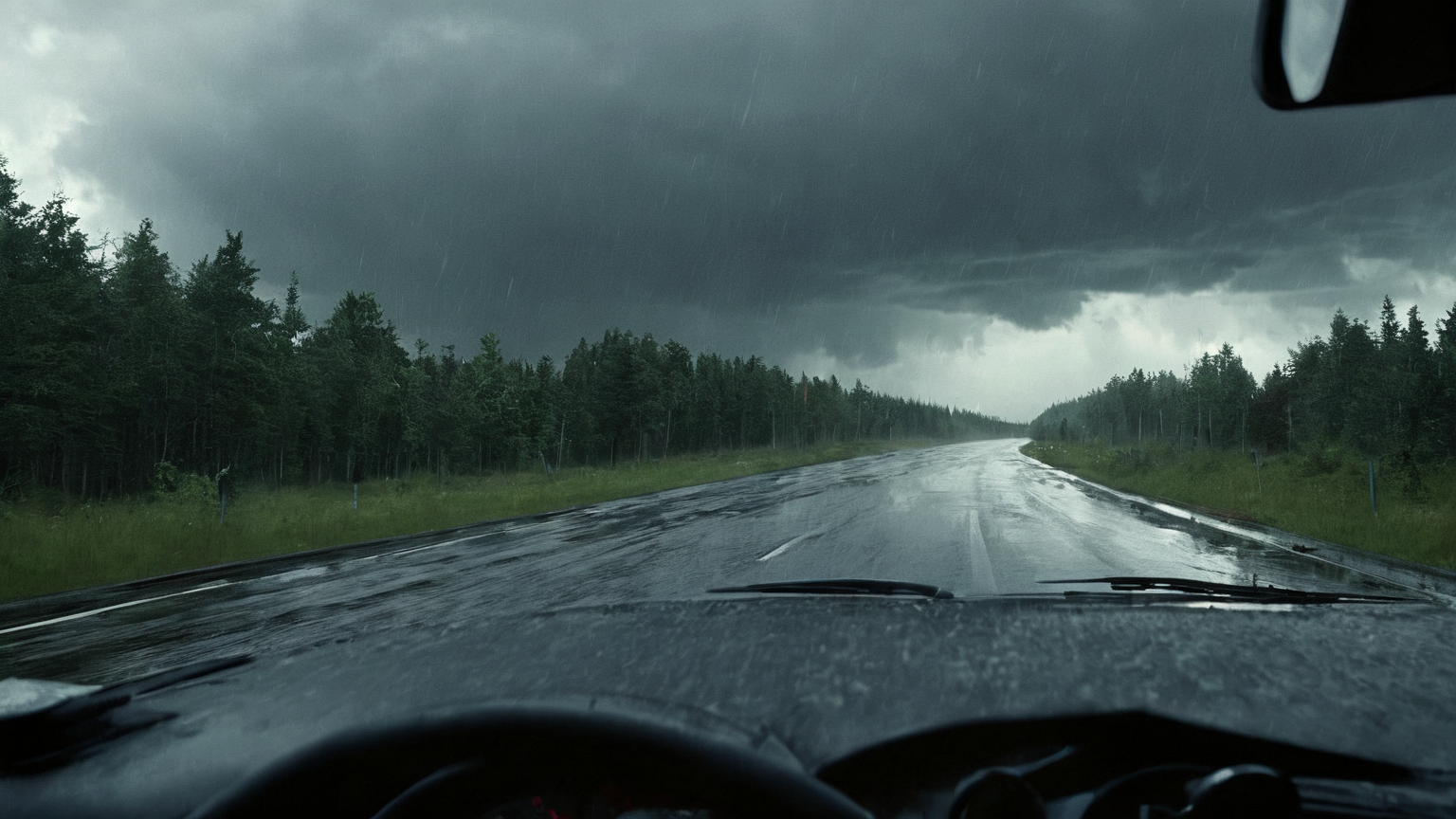
1. Treat hail as a visibility and impact problem, not only a dent problem
The first improvement is timing. A useful routine says when to start, when to pause, and what evidence changes the decision. Do not wait for a perfect answer while the risk is already rising. Check the official warning, the actual room or road, and the people affected. Then choose the conservative action early enough that it still works.
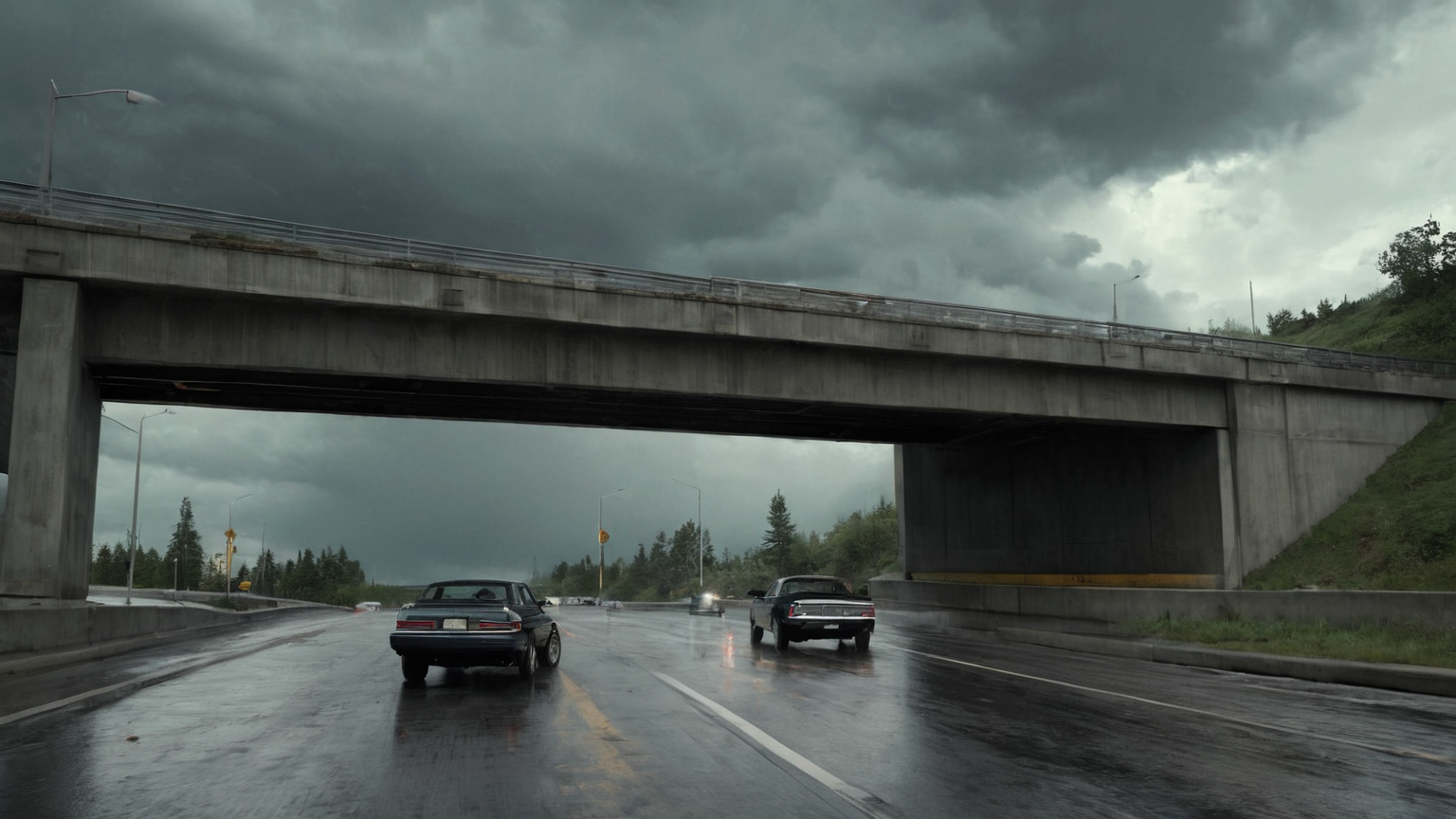
2. Delay departure when warnings make the trip optional
Optional trips, optional errands, and optional comfort experiments should be the first things removed when weather or indoor conditions become unsafe. This is not overreaction; it is risk budgeting. If the task can move by a few hours, moving it is often cheaper than trying to solve damage, exposure, or an avoidable emergency later.
3. Pull off without creating a second crash risk
The physical setup must be safe before the tactic is useful. Keep walkways clear, avoid blocking traffic, route cords safely, avoid readable or scannable labels in visual aids, and keep the page’s actual instructions in text instead of hiding them inside an image. This makes the content safer for readers and easier for crawlers to evaluate.

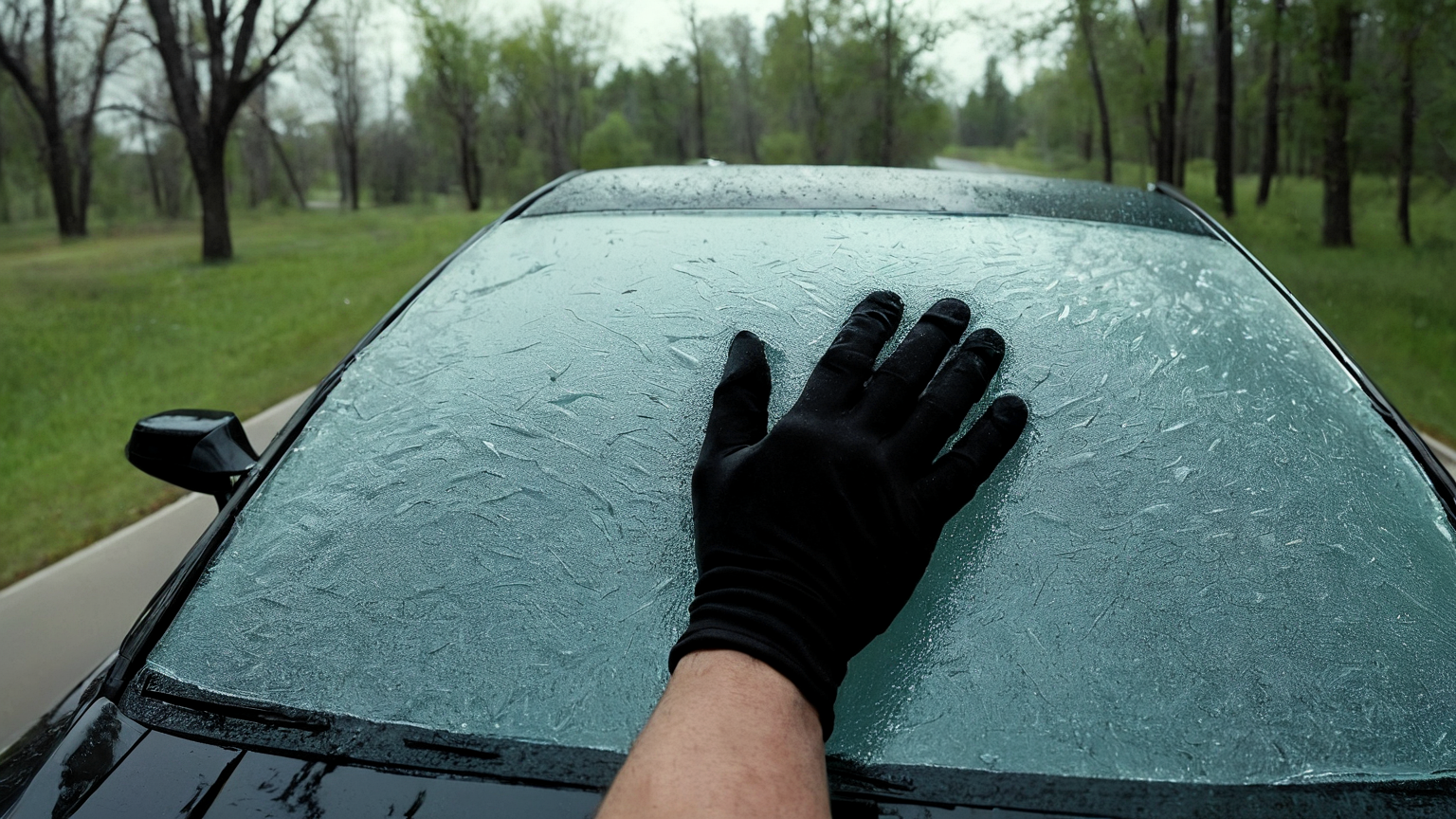
4. Handle windshield damage conservatively
When two warning signs overlap, stop treating the decision as routine. Bad visibility plus hail, or heat plus poor outdoor air, changes the answer. A short table, a checklist, and a few internal links are more useful than a long generic paragraph because the reader can match the condition in front of them to the safer action.
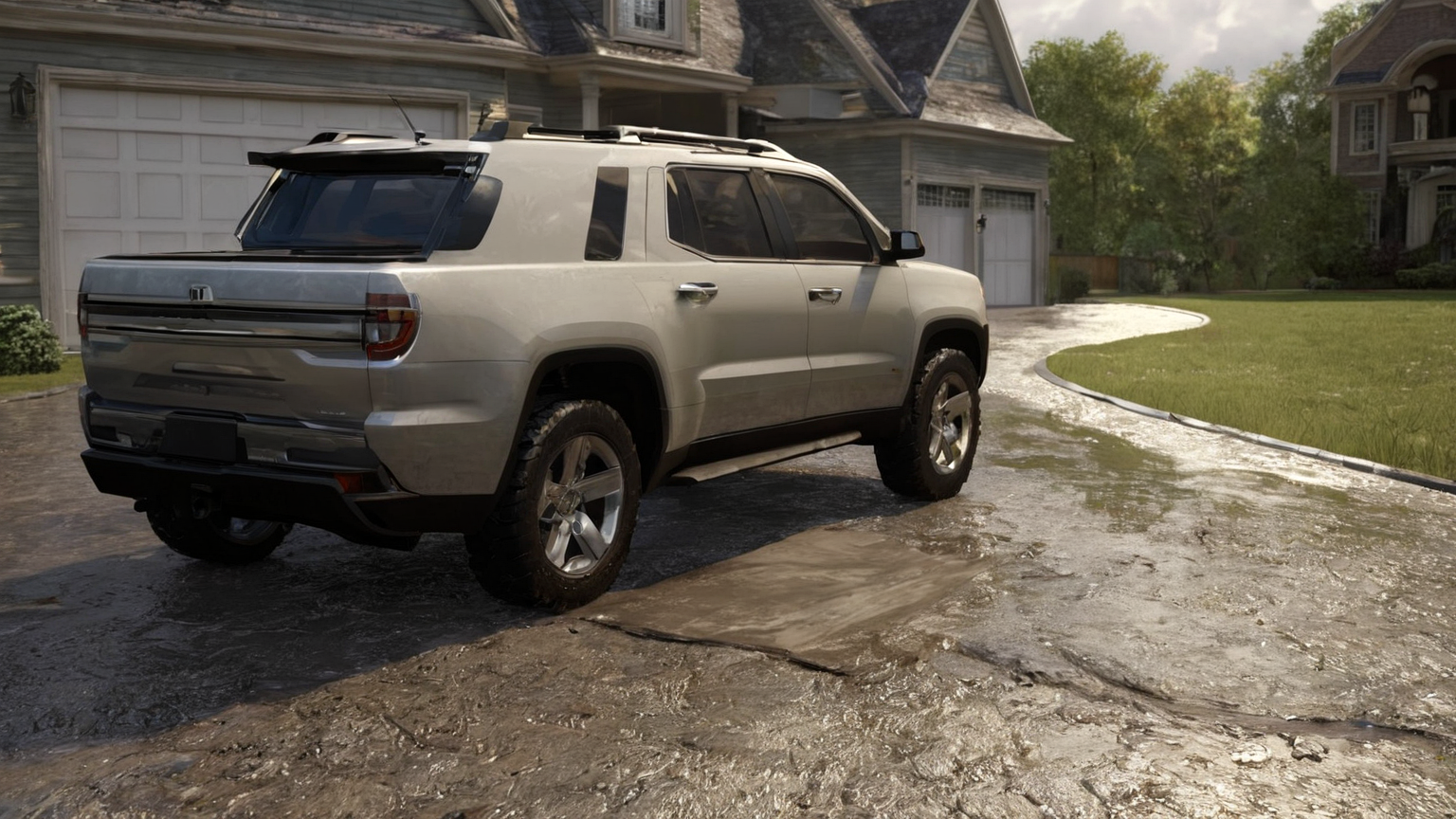
Practical pre-trip hail check
Before a summer route through storm-prone territory, treat the weather check as part of the vehicle check. Look for severe thunderstorm watches, warnings, hail language, wind gust language, and timing that overlaps the planned drive. If the warning window is short and the trip is optional, delaying is usually the highest-value safety action because it avoids the worst visibility and impact period. A good pre-trip note has three items: the latest official alert source, the place where the vehicle can be sheltered before departure, and the person who can be told that the trip is being delayed.
Do not rely only on an app icon or a social feed screenshot. Storm cells can move quickly, and hail risk can be local. Use the National Weather Service or another authoritative local alert source, then check whether the route crosses open highway, construction zones, low shoulders, or areas with few safe exits. If a delay would prevent driving under the cell, choose the delay. The point of the plan is not to prove that a driver can handle hail; it is to prevent an avoidable windshield, tire, or crash scenario.
Safe stopping choices during hail
If hail begins while the vehicle is moving, the most dangerous choice is often an abrupt stop where other drivers do not expect it. Reduce speed smoothly, turn on lights if visibility calls for it, keep extra following distance, and look for a safe legal place away from traffic. A covered fuel station, parking lot, or sturdy public shelter may be appropriate if reachable without racing the storm. Underpasses are complicated: stopping under one can block lanes, create a pileup, or expose people to fast-moving traffic. If the only option is a shoulder, stay belted until the situation is safer unless emergency conditions require leaving the vehicle.
Avoid parking under trees, near power lines, beside flood-prone ditches, or in a place where other vehicles may slide or crowd. Do not step out to cover the windshield while hail is falling. A blanket over glass is not worth a pedestrian strike, lightning exposure, or injury from hail. If passengers are frightened, give a simple instruction: seat belts remain on, phones stay available for alerts or emergency calls, and nobody opens doors toward traffic. This keeps the decision calm when noise from hail makes conversation difficult.
Windshield and visibility triage
A small chip may be annoying; a spreading crack in the driver’s field of view can be a safety problem. After hail stops and the vehicle is in a safe location, inspect the windshield, rear glass, mirrors, lights, wipers, tires, and roof only from a place where traffic is not the main danger. If cracks spread, wipers fail, glass sheds pieces, or visibility is poor, do not continue as if the damage is cosmetic. Call roadside assistance, a repair professional, insurer, or local authorities as appropriate.
Photograph damage only after the vehicle is parked safely. Capture wide shots and close shots, but do not stand in the roadway or shoulder to get a better angle. Keep the photos practical: date, location context, windshield, roof, lights, mirrors, and any tire or body damage. If the vehicle has driver-assistance cameras or sensors near the windshield, assume calibration or inspection may matter after replacement. The article should not promise an insurance outcome; it should teach evidence collection that does not add risk.
Passenger and communication plan
Passengers change the hail decision. Children, older adults, pets, and anxious passengers may need a calmer plan before the storm starts. Keep water, a charged phone, a backup battery, and basic emergency items accessible without unloading the whole trunk. If a passenger needs medication, mobility support, or temperature control, delay departure sooner because a roadside wait during a storm is harder to manage than a normal trip.
Share the route and delay decision with someone outside the vehicle when a storm becomes likely. If the vehicle is stopped and safe, send a short location update rather than a long explanation. Avoid scrolling, filming, or debating damage while the driver should be watching traffic and conditions. Distracted driving risk does not disappear just because the weather is dramatic; in severe weather it becomes more important to keep attention on lane position, speed, following distance, and safe exits.
Sources, scope, and update limits
This repaired article intentionally avoids duplicating the earlier flash-flood topic. The quality angle is hail-specific: impact, glass, shelter choice, safe pull-offs, and post-storm inspection. The images are supporting illustrations only. The operational instructions, warnings, and decision table are written as text so they remain searchable, accessible, and easier to update when official guidance changes.
The final review should ask three concrete questions. First, would a reader understand what to do before, during, and after the situation without relying on a generated image? Second, does the article avoid exaggerated promises, invented numbers, product pressure, or vague “ultimate guide” language? Third, can the operator prove that the page was built, that images exist at the referenced paths, and that the reason for the previous skip was addressed rather than ignored? This section exists so future batches remember that a passed gate needs evidence, not just a publish command.
Step-by-step operating checklist
- Check the current official source or warning before the routine starts.
- Confirm the physical setup and remove any obvious hazard first.
- Use the table to choose the conservative action when conditions stack.
- Keep notes, photos, or maintenance evidence only from a safe location.
- Update the checklist after the event so the next session improves rather than repeating thin advice.
FAQ
Does this replace professional advice? No. It is a planning aid built from the listed sources; emergency, medical, mechanical, electrical, and local-code guidance can require qualified help.
Why was this topic chosen for repair? It avoids the duplicate-topic problem from the skipped quality gate and adds a distinct helpful-content page with current sources, internal links, and production-verifiable images.