Hydroplaning Recovery Tire Tread Rain Driving Plan
A practical rain-driving guide for reducing hydroplaning risk, checking tires, choosing speed, and recovering calmly when steering feels light.
Hydroplaning Recovery Tire Tread Rain Driving Plan
Hydroplaning is a traction problem, not a courage test
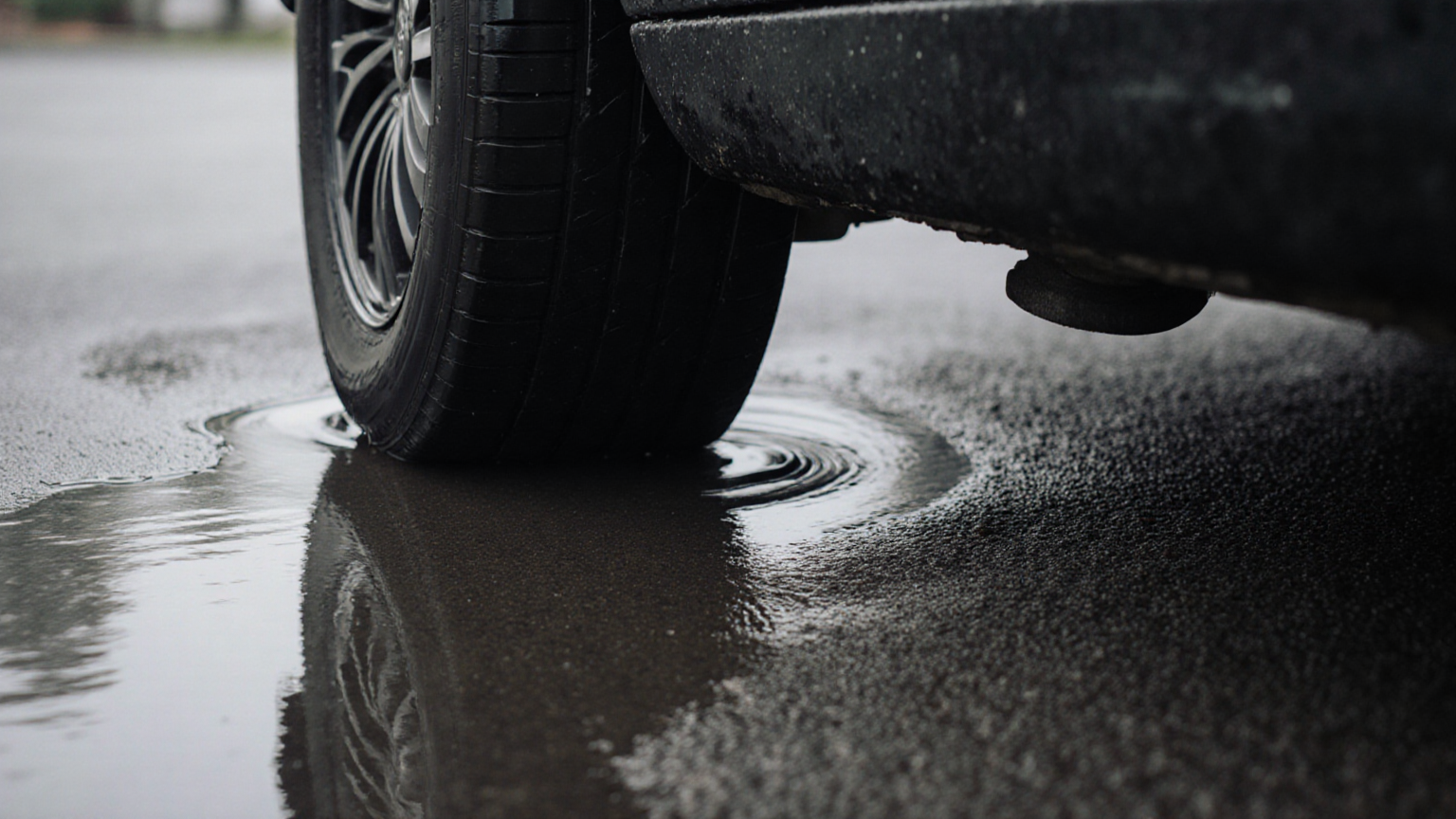
Hydroplaning happens when tires ride on water instead of gripping the road. The risk rises with speed, water depth, worn or underinflated tires, and sudden driver inputs. As of 2026-06-30, NHTSA and road-weather guidance still points to the same practical priorities: slow down, maintain tires, increase following distance, and avoid driving through deep water. The best recovery is prevention before the puddle, not a dramatic correction after the car feels light.
Rain-driving decision table
| Signal | Safer response | Avoid |
|---|---|---|
| Spray reduces visibility | Slow down and increase gap | Matching fast traffic |
| Water crosses lane | Ease off before reaching it | Sudden braking in the puddle |
| Steering feels light | Hold direction and lift gently | Jerking the wheel |
| Deep or moving water | Turn around | Testing the depth |
Pre-drive tire check
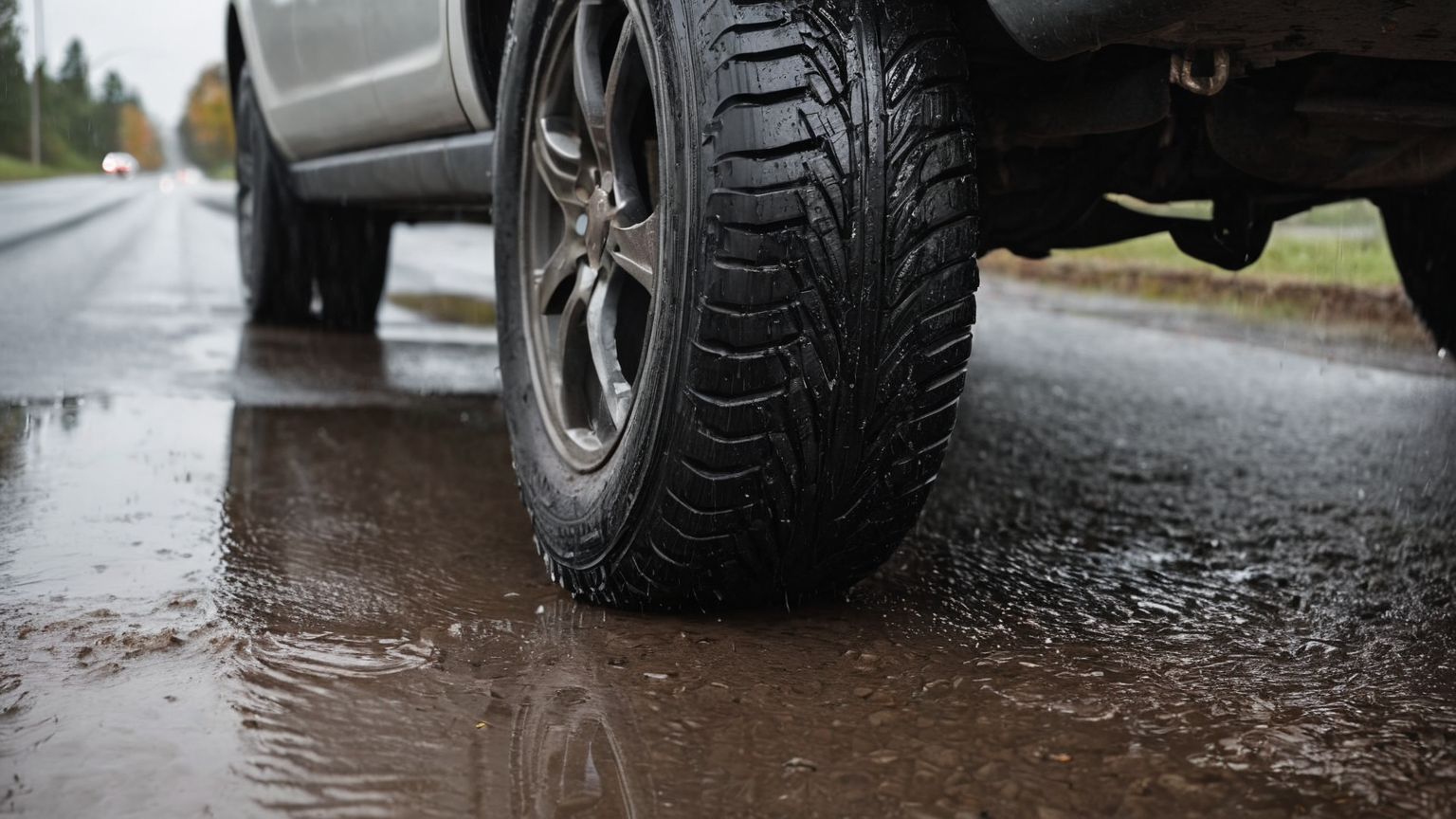
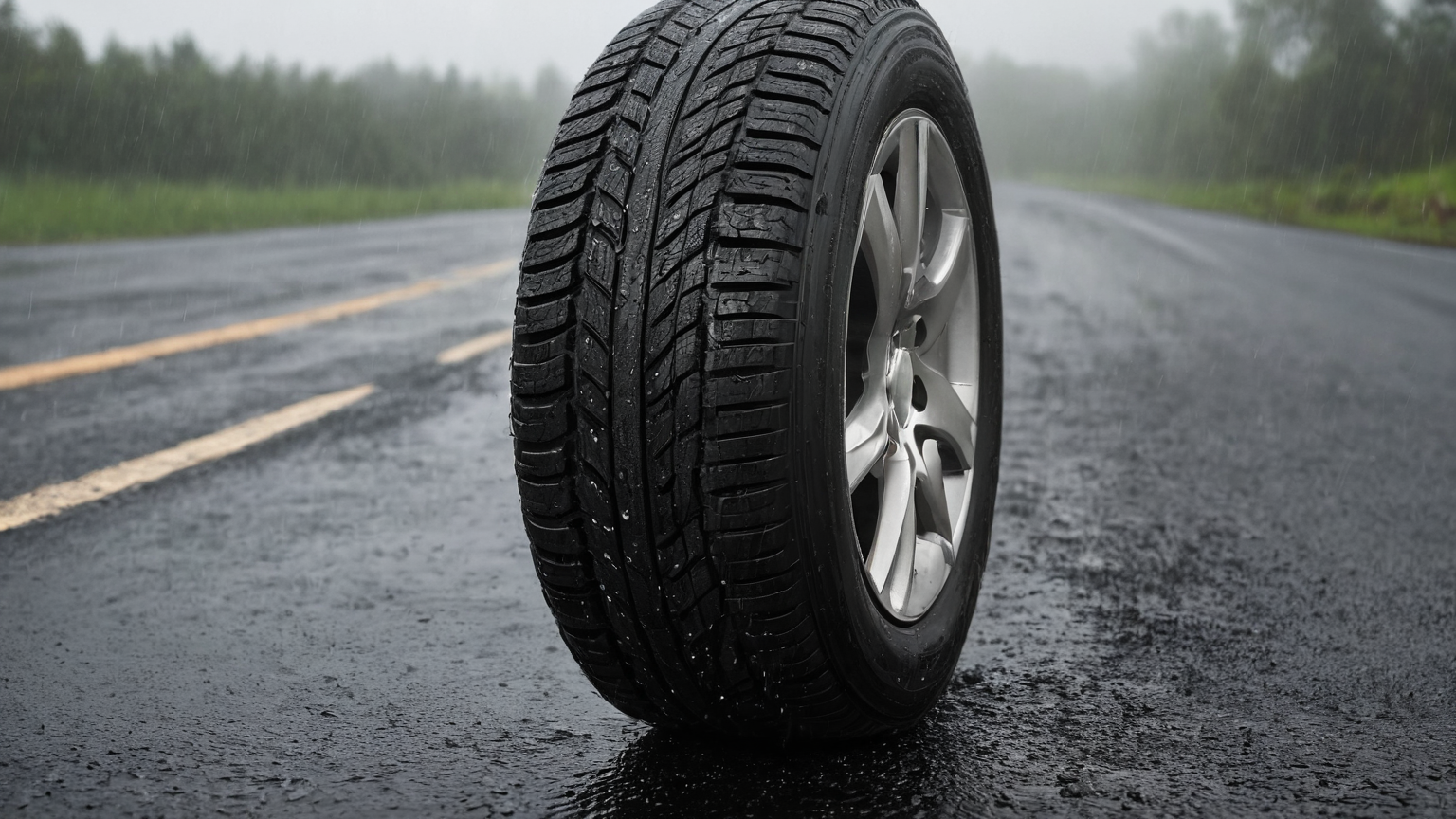
Look at tread, inflation, visible damage, and uneven wear before rainy-season trips. Tire-pressure monitoring systems are useful, but they are not a substitute for regular checks with the vehicle’s recommended pressure. Replace tires before they become a wet-road gamble. If tread is low, if cords are visible, or if the car pulls during braking, do not treat better technique as compensation for equipment that needs service.
Speed choice in rain
The posted speed limit is not a promise that the road is safe at that speed in standing water. Reduce speed before water crosses the lane, before ruts collect water, and before visibility drops. Leave more room than usual, especially behind large vehicles that throw spray. Cancel cruise control in heavy rain so your foot can ease off smoothly. Smoothness matters because hydroplaning recovery depends on letting tires regain contact without adding a second problem.
What to do if steering goes light
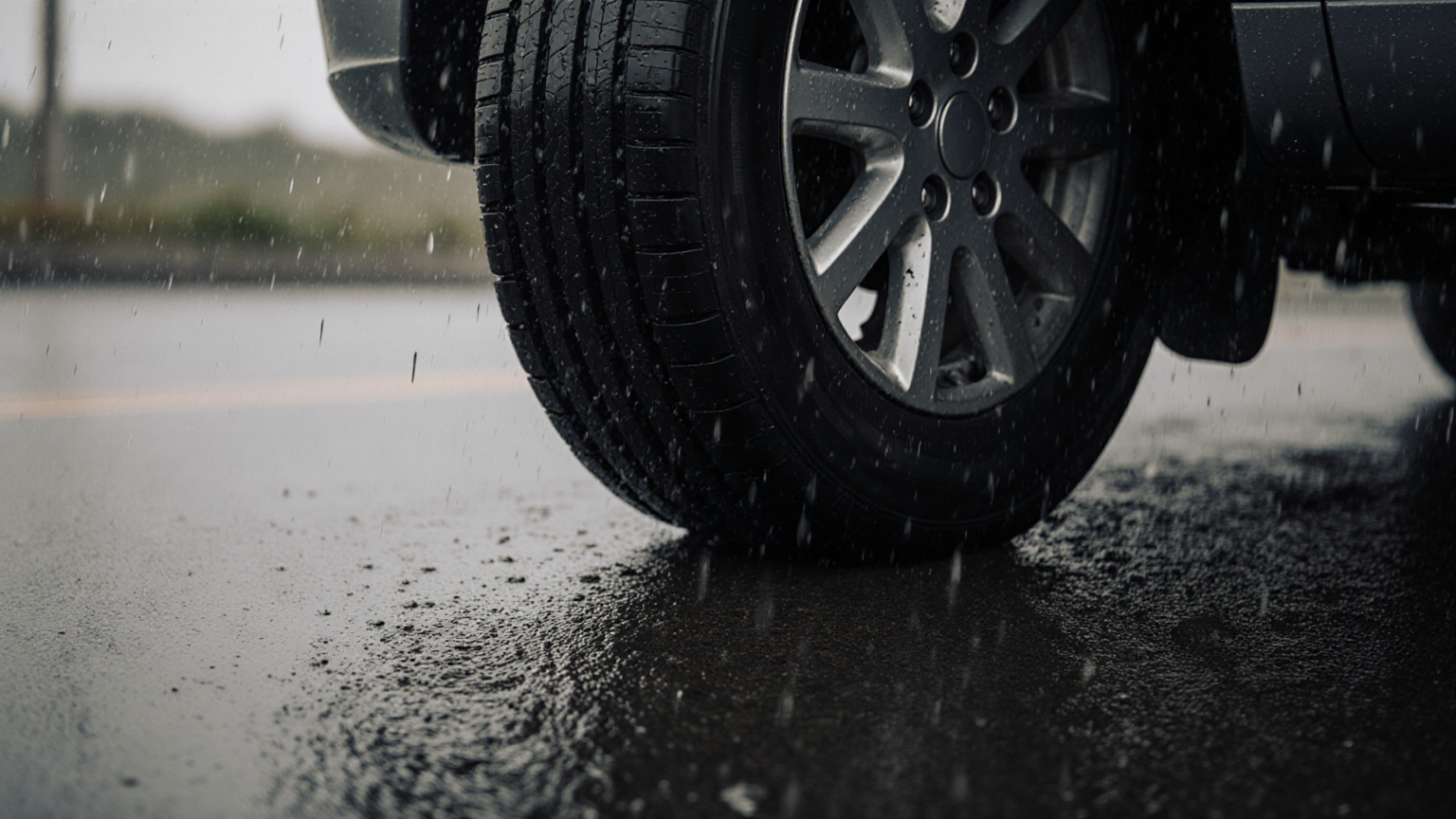
If the car begins to float or drift, do not panic-brake and do not jerk the wheel. Ease off the accelerator, keep the wheel pointed where you want to go, and let the tires reconnect. If braking is necessary, brake gently unless the situation requires emergency braking. Modern stability systems can help, but they cannot create friction where speed and water have removed it. Your calm input buys time for traction to return.
Where risk hides
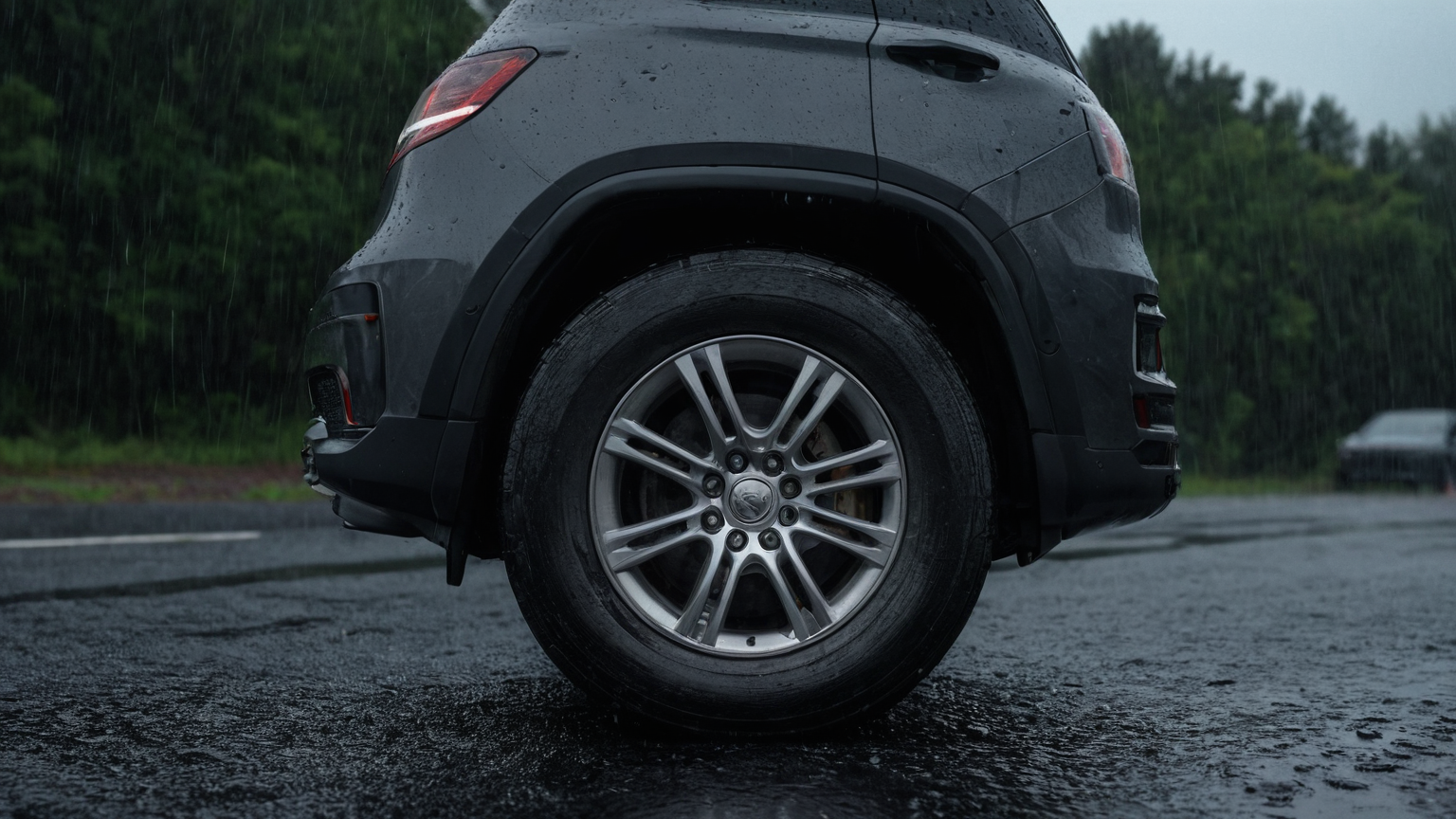
Hydroplaning risk is higher in wheel ruts, low spots, lane edges, shaded pavement, bridge approaches, and the first part of a storm when oil and debris mix with rain. Avoid sudden lane changes across visible water. If traffic is forcing you to drive faster than conditions allow, move right when safe or exit until the worst rain passes. Reaching a destination late is not a driving failure; losing control because you matched impatient traffic is.
Do not drive through floodwater
Hydroplaning and flooding overlap but are not the same hazard. If water covers the road and you cannot tell the depth, turn around. Moving water can carry vehicles, and hidden washouts can remove the road surface. This article is about wet-road traction, not permission to test floodwater. Keep emergency alerts, local closures, and weather warnings ahead of convenience.
After a scare
After a hydroplaning event, slow down, find a safe place to regroup, and inspect tires later. Ask what you can change next time: speed, route, tire maintenance, following distance, or willingness to wait out a storm. A useful driver-safety article should leave readers with a behavior checklist, not just a scary definition.
Quick checklist
- Confirm the main safety boundary before starting.
- Use the table to choose the next action instead of guessing.
- Keep one small log or note so the routine improves over time.
- Stop when the situation no longer matches the safe assumptions in this guide.
- Recheck authoritative guidance when rules, equipment, or household needs change.
FAQ
What does hydroplaning feel like?
Drivers often describe light steering, rising engine sound, or the car drifting without normal tire feedback. The response is to ease off, keep steering smooth, and avoid abrupt braking.
Is tire tread the only factor?
No. Water depth, speed, tire inflation, tire condition, road surface, and driver inputs all matter.
Should I use cruise control in heavy rain?
No. In heavy rain or standing water, keep direct control of the accelerator so you can ease off smoothly.
Before the storm: a five-minute driveway check
Look at all four tires, not only the front pair. Check for uneven wear, cuts, bulges, embedded objects, and tread that looks shallow across the center or shoulders. Confirm pressures when tires are cold and use the pressure on the vehicle placard rather than the maximum number molded on the tire. Make sure wipers clear the windshield without chatter, washer fluid is filled, headlights work, and the defroster can keep glass clear.
During the drive: make space early
Most rain-driving mistakes happen before the visible emergency. Drivers wait until they are already in water, already close to the next bumper, or already blinded by spray. Increase following distance before traffic compresses. Let impatient drivers pass. Avoid hard acceleration from a stop when water is pooled at the intersection. If your lane has standing water and another lane is clear, change lanes only when the move is gradual and safe.
Recovery details without over-correcting
When hydroplaning begins, your hands may want to “fix” the car immediately. Resist that impulse. The tires need time to reconnect. Look where you want the vehicle to go, keep the steering angle modest, and avoid adding brake or throttle inputs unless necessary. If the rear begins to rotate, steer smoothly in the intended direction of travel and let stability systems assist. After traction returns, reduce speed more than you think you need; the next water patch may be deeper.
Route and timing choices
A safer rain plan may be a different route, a delayed departure, or stopping for ten minutes. Low underpasses, construction zones, poorly drained curb lanes, and roads with heavy truck spray create avoidable risk. Weather alerts and local closures should outrank navigation estimates. If a trip is optional and heavy rain is moving through, waiting is a driving skill, not a weakness.
Maintenance boundary
This article cannot inspect your tires, brakes, alignment, or electronic stability systems. If the car hydroplanes repeatedly at cautious speeds, pulls under braking, vibrates, or has tire warning lights, get a qualified inspection. Technique matters, but maintenance is the foundation that allows technique to work.
Practical example workflow
Here is how a reader can apply the guide without buying anything or trusting a vague rule of thumb. First, identify the exact situation in front of you and write down the constraint that matters most. Second, choose the smallest safe action from the table instead of trying to solve every related problem at once. Third, check the result later the same day and again the next day. If the action created a new problem, reverse it and choose the lower-risk option. If the action helped, repeat it until it becomes normal rain-driving behavior rather than a one-time project.
The reason this workflow is included is quality control. Many short web articles give a conclusion but skip the decision process. A good evergreen guide should make the reader less dependent on the article after reading it. The table, checklist, and stop rules are designed for that: they turn the topic into a repeatable routine with boundaries.
Mistakes to avoid
The first mistake is treating a single tip as universal. Conditions change by speed, tire condition, water depth, road surface, visibility, vehicle maintenance, and traffic. The second mistake is waiting until the problem is already urgent. Most of the safer choices in this guide work best when done early. The third mistake is ignoring the boring record. A short note about what you tried, when you tried it, and what happened often prevents repeated guessing.
The fourth mistake is over-optimizing gear. Better equipment can help, but equipment does not replace judgment, maintenance, safe handling, or follow-through. Before spending money, make sure the no-cost routine is clear. If the no-cost routine fails because of a safety concern, damaged equipment, medical symptoms, or home conditions outside your control, that is the point to get qualified help rather than forcing the routine.
Final reader takeaway
Use the guide as a decision aid: prepare early, act smoothly, watch the result, and keep conservative boundaries. The best outcome is not dramatic. It is a routine that quietly reduces risk, saves time, or improves comfort without creating a new hazard. If you share the routine with someone else in the household, share the stop rules too, because a checklist without limits can encourage exactly the kind of overconfidence this guide is trying to prevent.
This extra check keeps the routine specific, measurable, and safe enough to repeat tomorrow.