Parked Car Heat Safety for Children, Pets, and Passengers
A 2026 driver checklist for hot parked vehicles: never-left-alone rules, back-seat reminders, errands, pet caveats, and emergency action.
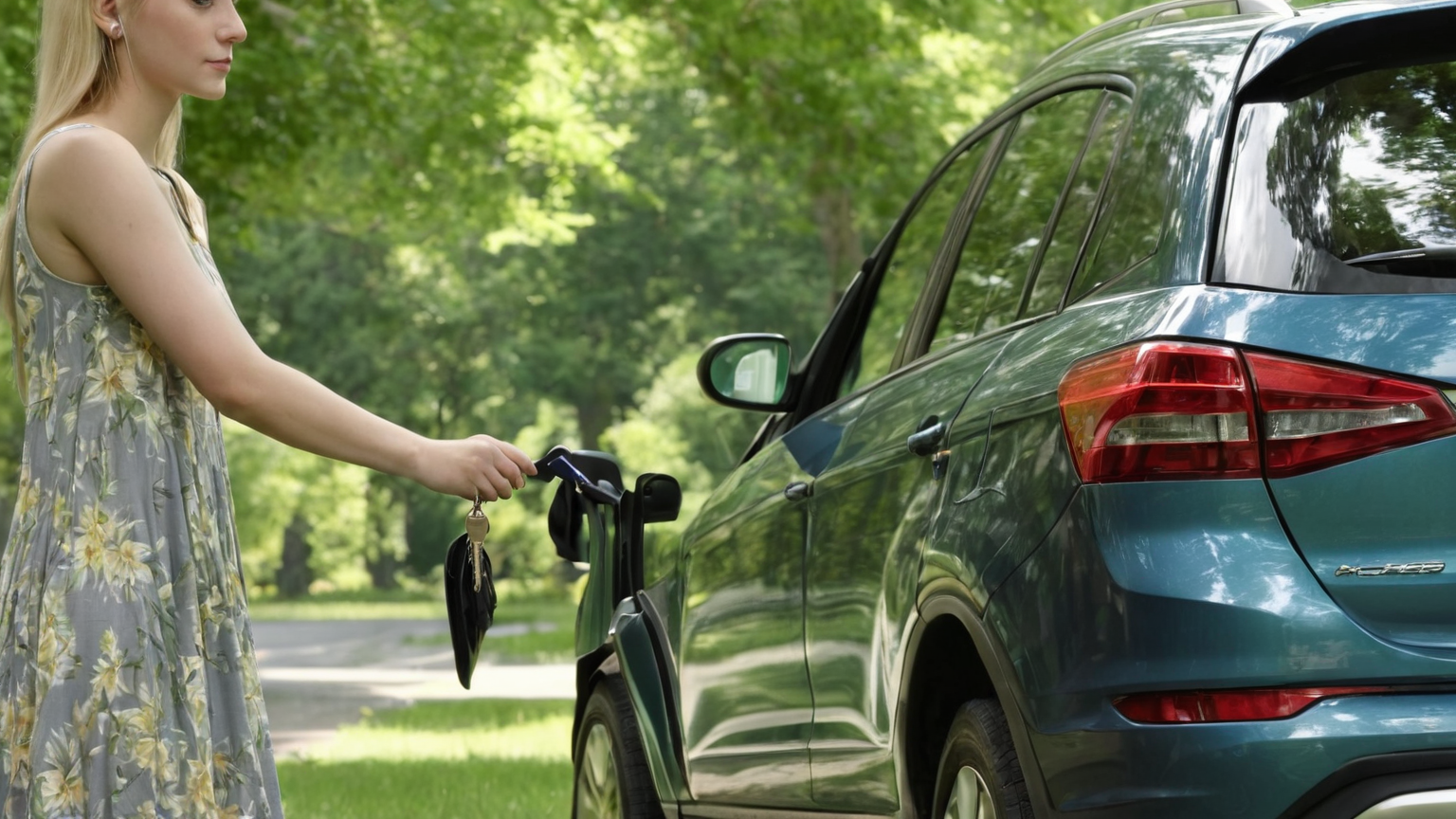
A parked vehicle can become dangerous fast in warm weather, even when the stop feels short. This guide was checked on 2026-06-04 against NHTSA, CDC, National Weather Service, Ready.gov, and AVMA resources. It is a prevention checklist for children, pets, older adults, passengers with disabilities, and any driver whose routine can be disrupted by errands, calls, and fatigue.
Hot-car decision table
| Situation | Safer choice | Mistake to avoid |
|---|---|---|
| Quick errand | Everyone leaves the vehicle with you | Believing shade or cracked windows make waiting safe |
| Sleeping child or passenger | End the errand plan and bring them inside | Avoiding inconvenience at the cost of safety |
| Pet in vehicle | Use drive-through, delivery, curbside, or leave the pet home | Treating a pet as safe because the stop is short |
| Routine changed | Use rear-seat checks and reminders every trip | Assuming memory is reliable under stress |
| Person or pet in distress | Call emergency services and follow dispatcher/local law guidance | Waiting to find the owner while conditions worsen |
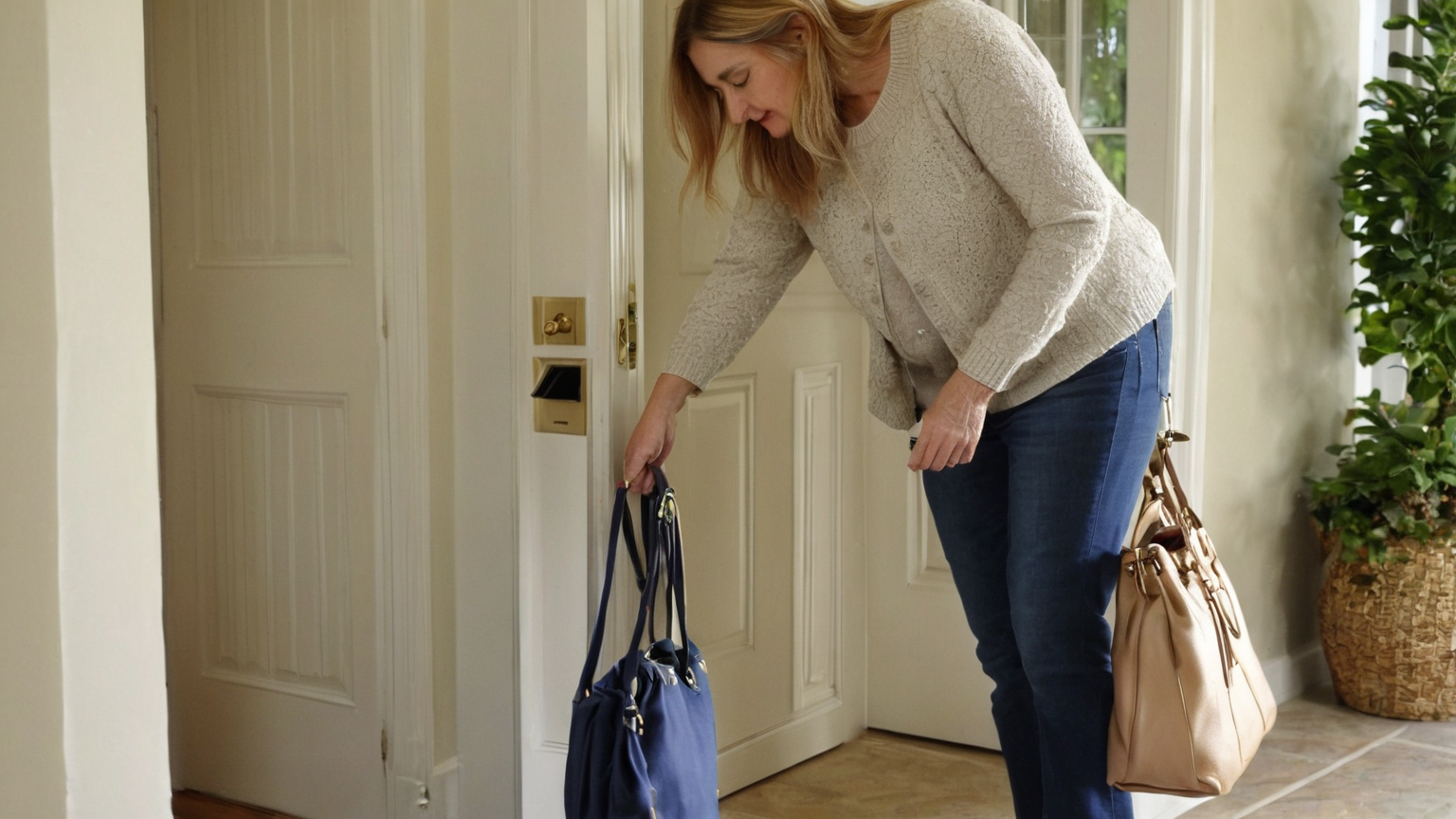
Make the rule absolute
Do not leave children, vulnerable passengers, or pets alone in a parked vehicle. Short errands, cracked windows, mild-feeling weather, and shade are not dependable safety controls. The rule should be simple enough that no passenger, cashier line, phone call, or appointment can negotiate it.
A useful parked car heat safety plan is not a motivational poster. It is a small system that survives heat, fatigue, schedule pressure, family interruptions, and imperfect equipment. Decide the stop rule first, keep the official source or label available, and choose the option that leaves a safety margin when the day becomes rushed.
Build reminders that do not depend on perfect memory
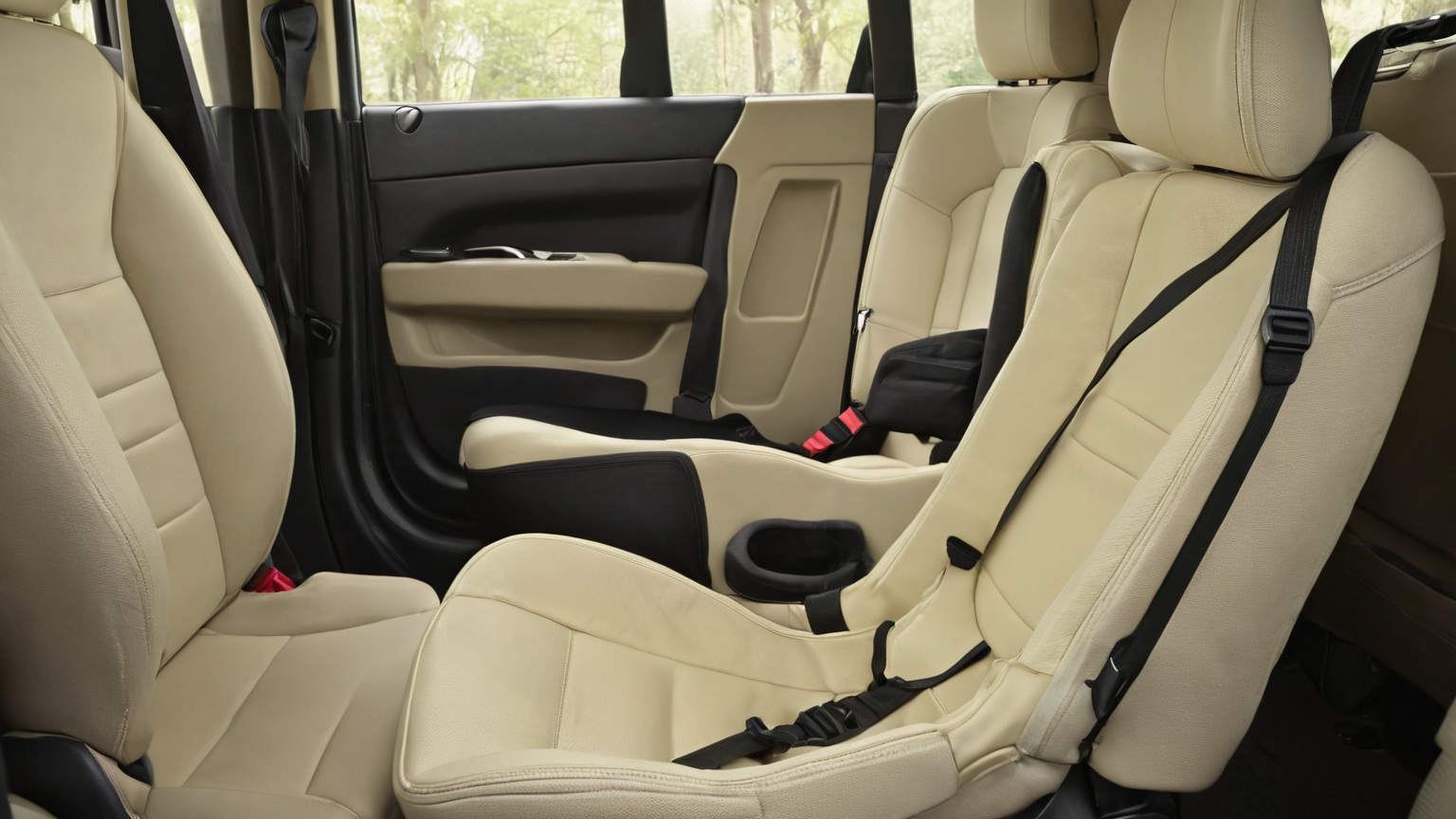
Place a needed item near the back seat, open the rear door at every destination, use childcare drop-off confirmation, and ask another adult to check if the routine changes. Technology reminders can help, but they are backups. The habit is: park, look, lock, and never allow children to play in unattended vehicles.
Plan errands around passengers and pets
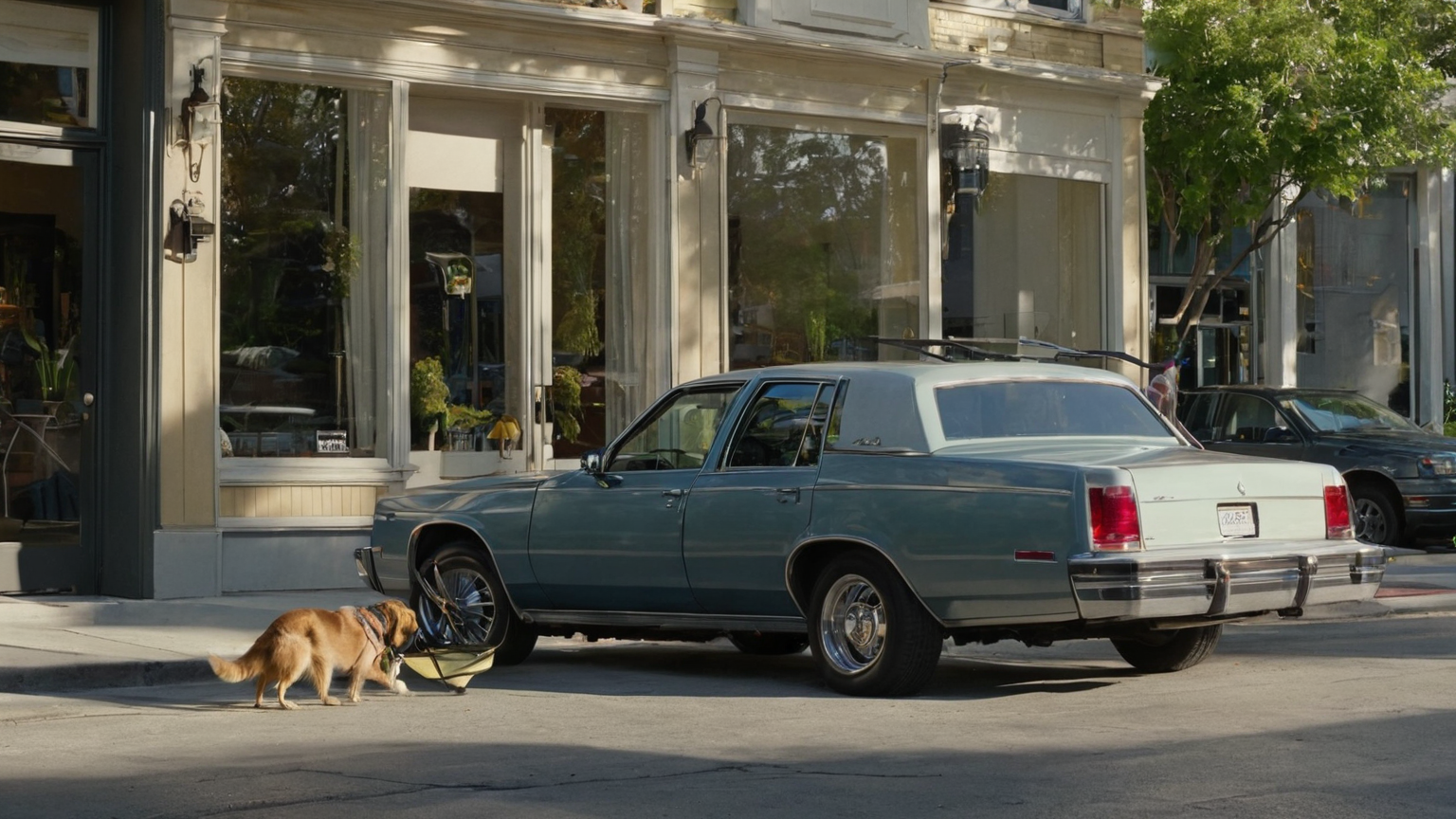
If the trip includes a pet, child, or passenger who cannot safely exit alone, choose drive-through, curbside pickup, delivery, or a second adult. If those are not available, skip the stop. A parked-car heat plan is a logistics plan, not a test of toughness.
Know distress signs and emergency actions
Heat illness can involve dizziness, confusion, weakness, headache, nausea, hot skin, heavy sweating or lack of sweating, rapid pulse, collapse, or unusual behavior. If a person or pet appears in danger in a vehicle, call emergency services and follow dispatcher instructions and local law. Do not delay because you are embarrassed to be wrong.
Keep parked vehicles secured
Lock parked vehicles at home so children cannot enter and become trapped. Store keys out of reach, teach children that vehicles are not play spaces, and check trunks or cargo areas if a child is missing. Prevention includes the driveway, not only public parking lots.
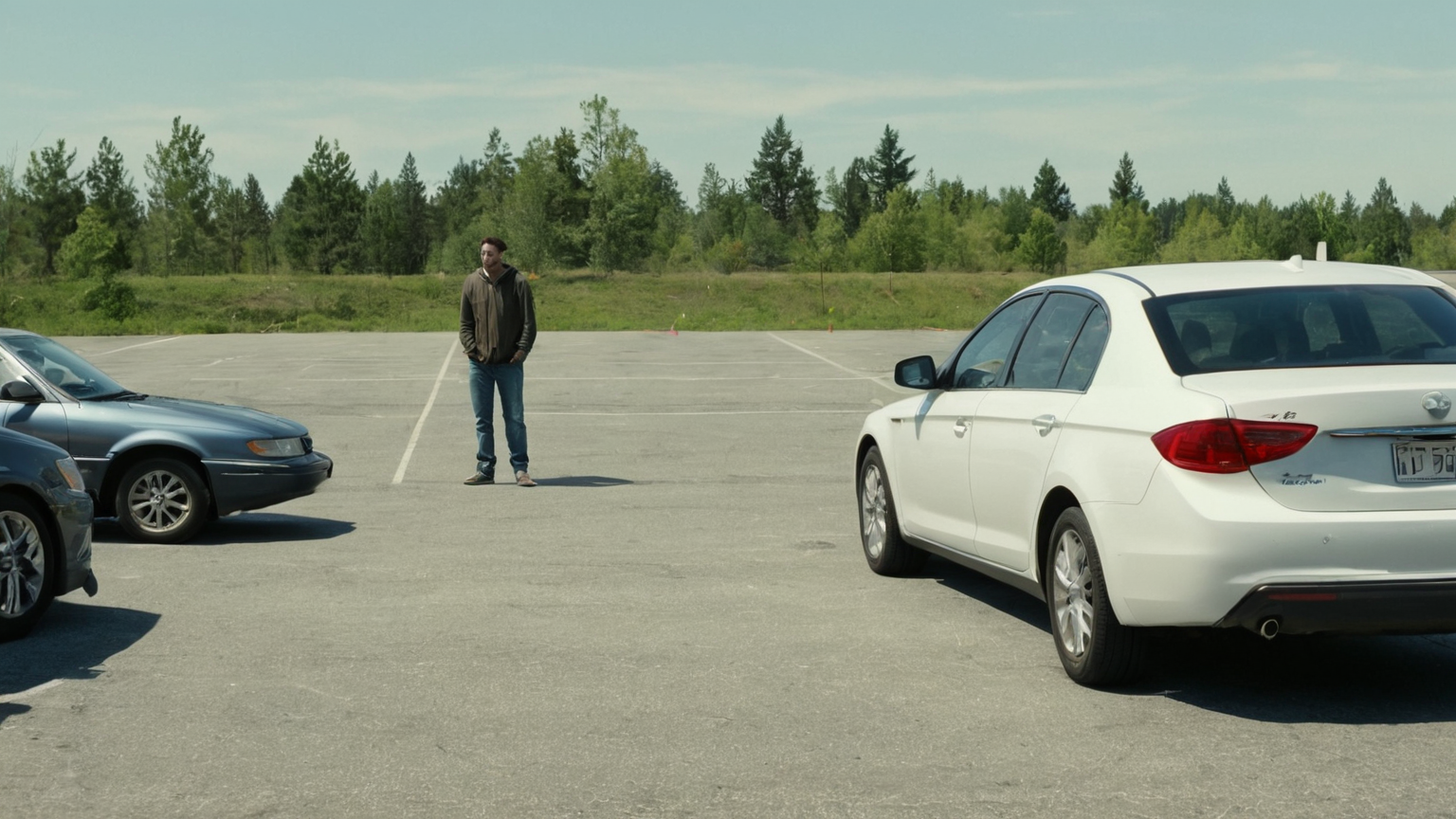
Hot-car safety checklist
- Never leave a child, vulnerable passenger, or pet alone in a parked car.
- Open the rear door and check the back seat at every destination.
- Use childcare, calendar, and partner confirmation when routines change.
- Choose pickup, delivery, or skip errands when passengers cannot come inside.
- Lock vehicles and keep keys away from children.
- Call emergency services when someone appears in distress.
Example decision
A driver plans to pick up one item after daycare but the child falls asleep. The driver skips the store, goes home, and uses delivery later. The errand was optional; the no-left-alone rule was not.
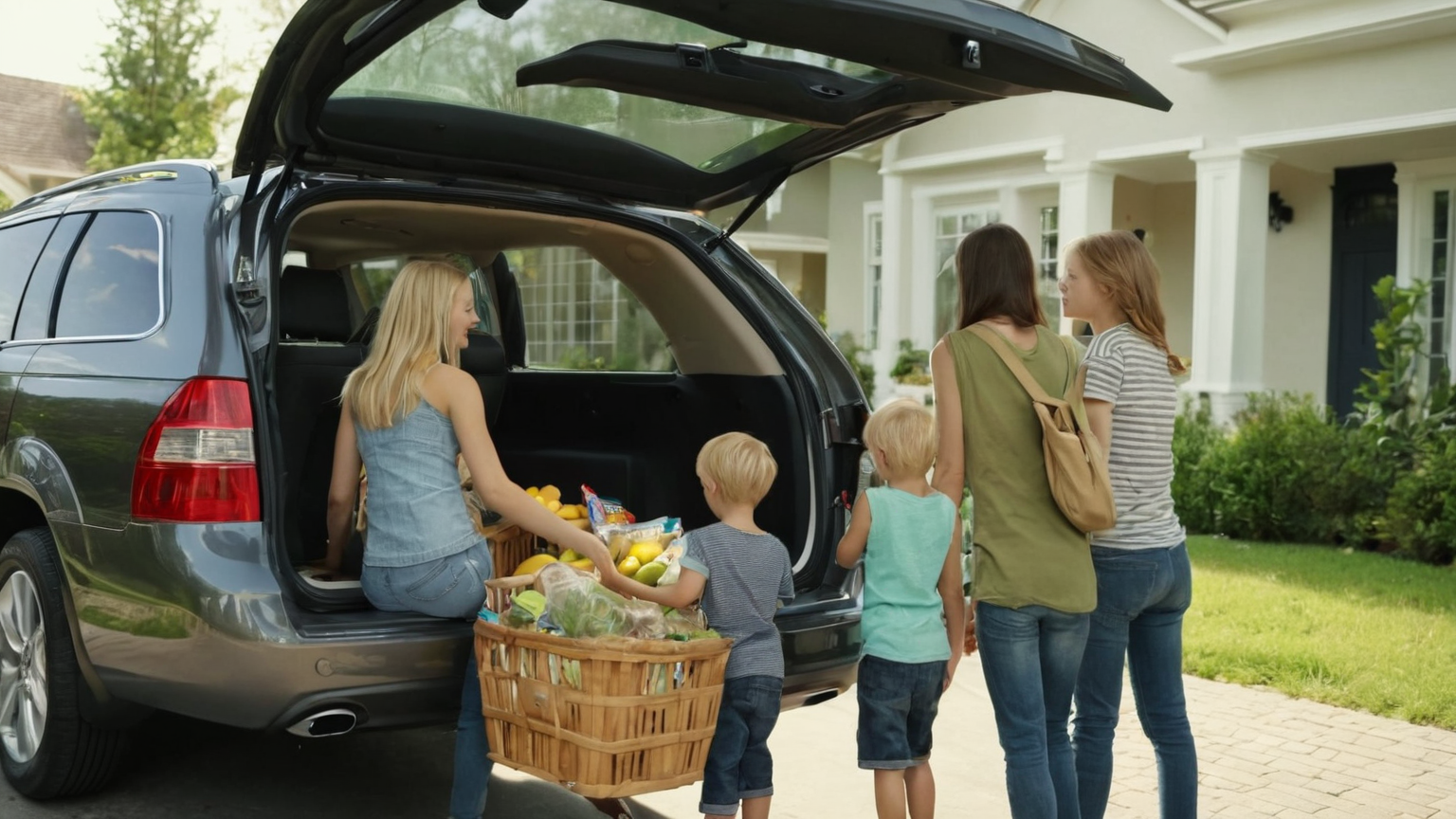
Make the prevention system automatic
Hot-car prevention should not depend on being a careful person on a normal day. It must work when schedules change, a caregiver is sleep-deprived, the phone rings, or a pet is unusually quiet in the cargo area. Use a layered system: visual cue, physical habit, communication backup, and locked-car rule.
| Failure point | Prevention layer | Example |
|---|---|---|
| Routine changes | Two-person check-in | “Dropped off” text required before work begins |
| Quiet back seat | Physical item in rear seat | Work bag, left shoe, or badge placed beside child seat |
| Quick errand | No exceptions rule | Passenger or pet comes inside, or the errand waits |
| Parked vehicle access | Locked doors and keys away | Prevents children entering the car to play |
These layers are not about blame. They are about designing around human memory under stress. If a daycare, school, caregiver, or pet sitter is involved, agree on the escalation rule before the first hot day: call, text, and keep calling if the expected arrival does not happen.
Emergency action without hesitation
If you see a child, pet, older adult, or impaired passenger in distress in a parked vehicle, call emergency services immediately. Signs such as confusion, faintness, heavy panting, vomiting, seizures, or unresponsiveness should be treated as urgent. Move the person or animal to shade or cooling only when it can be done safely and follow dispatcher instructions.
For pets, do not assume cracked windows or a short errand are protective. For children, do not assume sleeping means safe. For older adults or people with limited mobility, make sure the exit plan is clear before parking, especially when medication, illness, or heat advisories are involved.
Caregiver handoff script
Use a short script every time responsibility changes: who is in the vehicle, where each passenger or pet is going, who confirms arrival, and what happens if confirmation is late. The script can feel unnecessary on a normal day, but it prevents mistakes when a grandparent, babysitter, friend, or second parent changes the routine. For children, the confirmation should be active, not assumed. For pets, the plan should include whether the destination allows animals inside before the trip begins.
A practical text pattern is: “Leaving now with Sam and the dog,” followed by “Sam dropped off, dog inside with me,” or “No passenger/pet in car.” If the second message does not arrive, the backup person calls immediately. This is not surveillance; it is a redundant safety system for a high-consequence hazard.
Vehicle design and technology limits
Some vehicles include rear-seat reminders, connected alerts, or climate features. Treat those as helpful backup layers, not permission to leave someone inside. Batteries can fail, apps can be muted, cellular service can be weak, and a child or pet may be in distress before a reminder matters. Likewise, remote start or climate control should not be used as a babysitter because shutoff timers, mechanical faults, or user error can change conditions quickly.
When parking at home, lock the vehicle even in the driveway and store keys out of reach. Children can enter unlocked cars to play and become trapped. Teach children that cars are not play areas, but do not rely on teaching alone; physical access control is the safer layer.
Seasonal maintenance tie-in
A hot-car safety plan belongs with the broader summer driving checklist. Check door locks, child-seat installation, window function, emergency contact cards, pet restraints, water storage for humans, and a shaded waiting plan. If the vehicle will be used for camp drop-offs, veterinary trips, sports, or errands with older relatives, review the plan at the start of each heat wave rather than after a scare.
Quick self-audit before you act
Before following the plan, ask four questions. Is the source current for today or this season? Does the advice match the people actually affected, including children, older adults, pets, medical needs, rental limits, or workplace constraints? Is there a lower-risk option that still achieves the main goal? Finally, what would make you stop and choose professional, emergency, or official local guidance instead of continuing?
Use the answer to choose a conservative path when uncertainty is high. A checklist is useful only when it reduces rushed decisions; it should never override symptoms, official warnings, product labels, local rules, or common sense. If conditions change after you start, pause and reassess rather than defending the original plan.
Record the final choice, reason, and follow-up task so the next household decision is faster, safer, and easier to explain.
AdSense-readiness and reader trust notes
This safety article avoids sensational images, brand claims, and product-heavy recommendations. It improves trust by emphasizing official guidance, realistic family systems, and emergency boundaries. A future site improvement is to add a hub link connecting hot-car safety with tire heat, emergency kit, and summer road-trip checklists for stronger navigation.
FAQ summary
Parked-car heat safety is built on an absolute rule, reliable reminders, and errand plans that never require a child, vulnerable passenger, or pet to wait alone in a vehicle.