Parking Lot Child Pedestrian Backover Prevention Plan
A driver-focused parking-lot safety guide for preventing backovers and low-speed pedestrian conflicts around children, carts, blind zones, and summer errands.
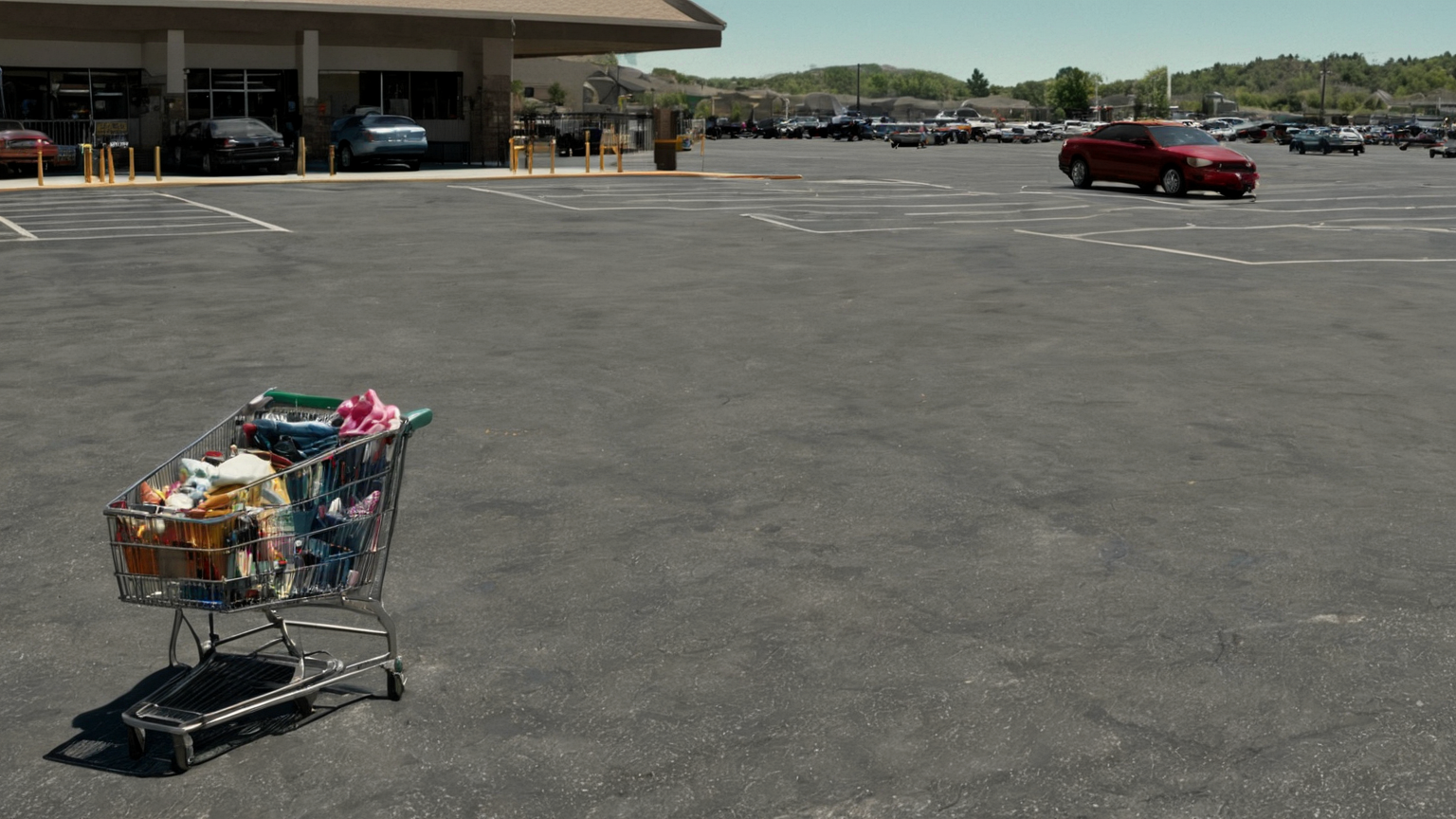
Parking lots feel slow, but they combine the hardest parts of driving: blind zones, unpredictable children, carts, reversing vehicles, glare, and distracted pedestrians. Low speed does not make a child visible behind a bumper. This guide was checked on 2026-06-23 against NHTSA, CDC, IIHS, National Safety Council, and child-safety advocacy sources. It is not legal or emergency advice; follow local traffic control, property rules, and emergency instructions.
Quick decision table
| Situation | Safer choice | Mistake to avoid |
|---|---|---|
| Tall SUV or van blocks view | Wait, inch slowly, and re-check both sides | Backing out in one continuous motion |
| Child or cart appears nearby | Stop and keep stopped until clear | Assuming they saw you |
| Camera lens is wet or dirty | Clean it and still shoulder-check | Trusting a blurry screen |
| Passenger distracts driver | Pause before moving | Multitasking while reversing |
Build a before-start routine
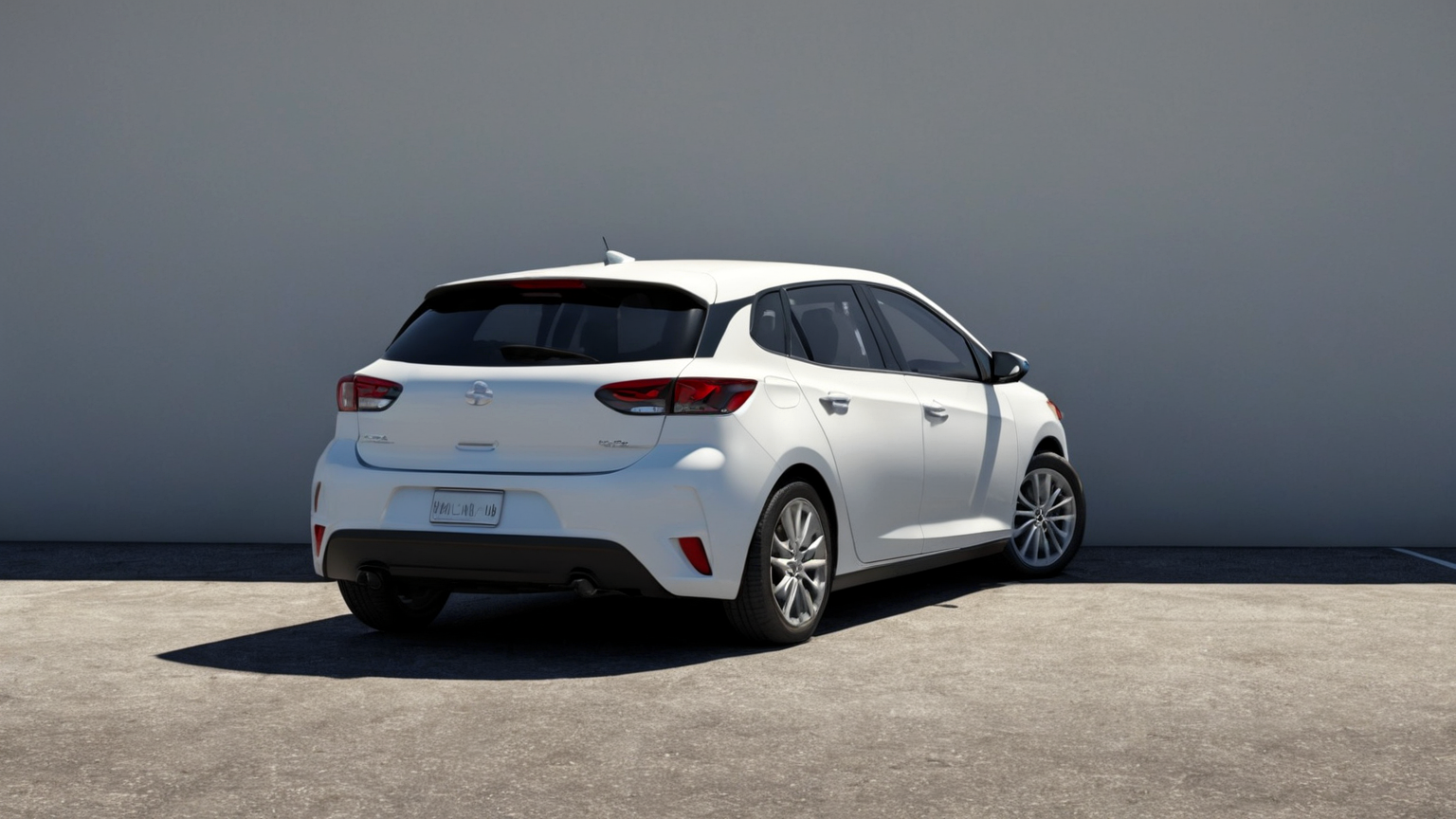
Before shifting out of park, look around the vehicle, check mirrors and camera, turn your head, and pause if passengers, carts, or children are nearby. Cameras help but do not remove blind zones, dirty lenses, glare, or fast-moving children. The routine should happen before every movement, not only when the lot looks busy.
Choose spaces that reduce reversing conflicts
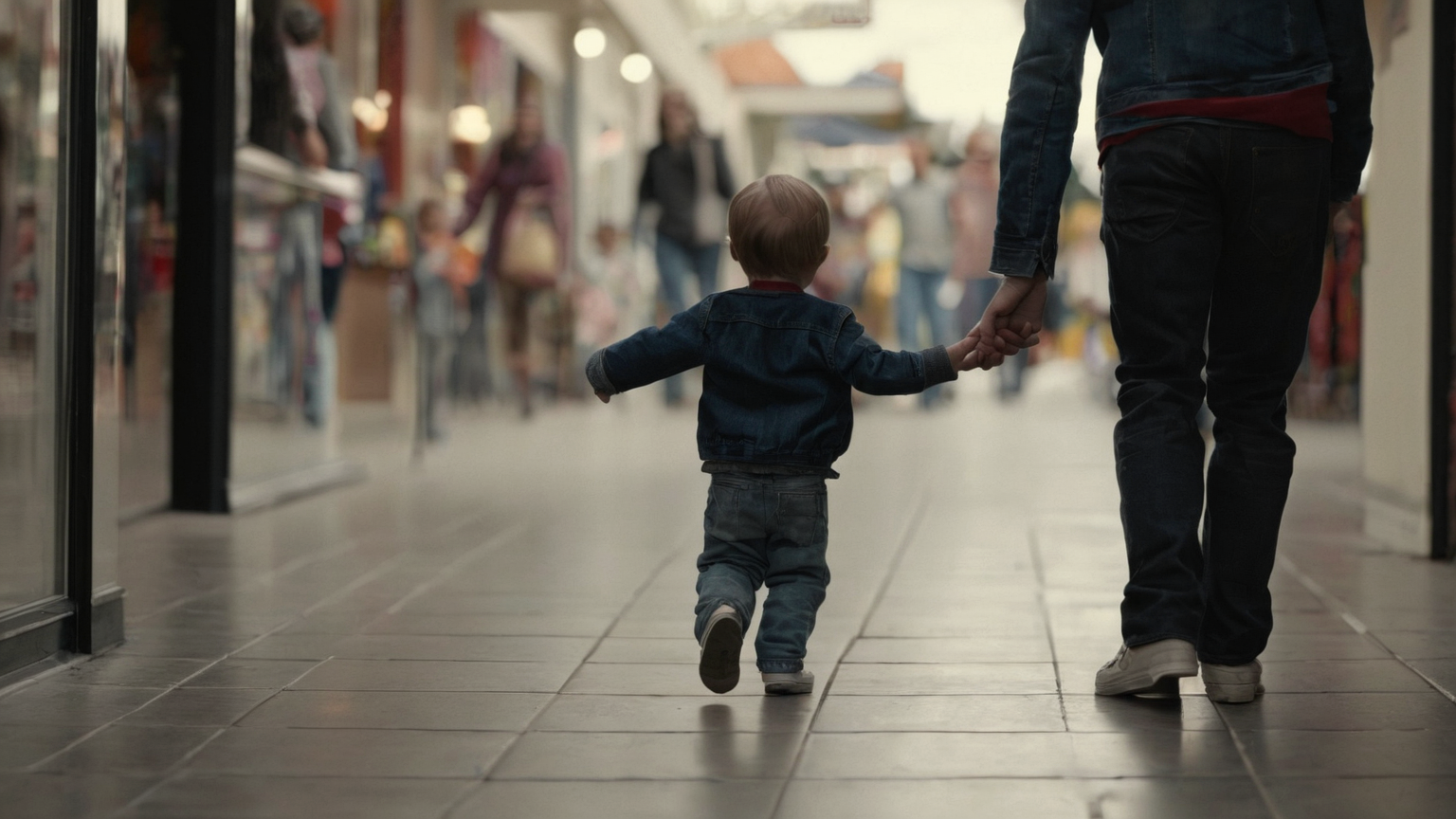
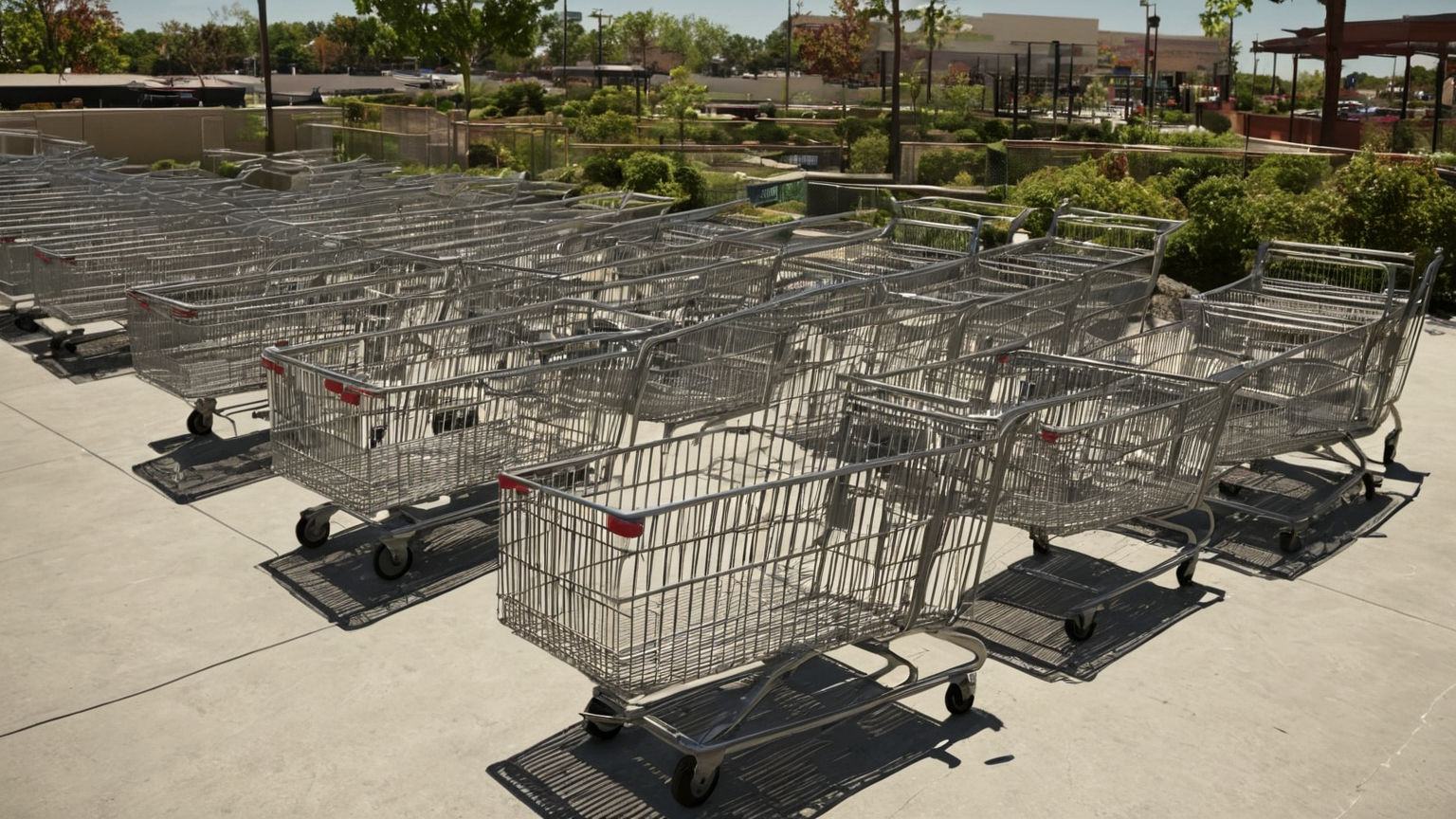
When reasonable, pull through or park where the exit path is simple and visible. Avoid tight spaces beside tall vehicles, cart returns, play areas, and busy store entrances. If you must back out, move slowly enough to stop instantly when something appears.
Separate loading from supervising
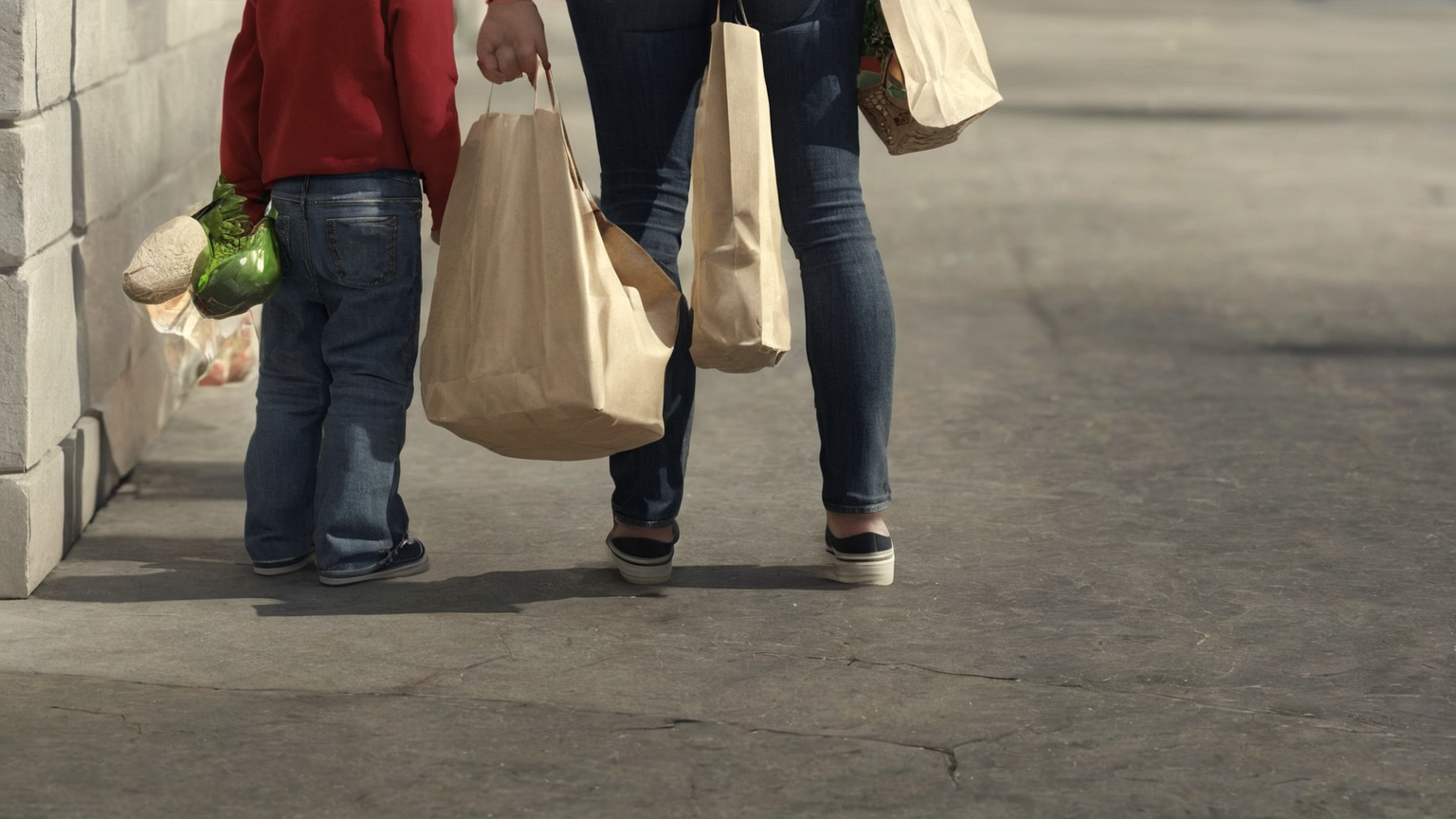
Children should not be asked to “stand right there” while an adult loads bags unless another adult is actively supervising. Put children in the vehicle only when it is safe and legal to do so, then finish loading from a stable position. Do not leave children unattended in vehicles.
Treat technology as backup, not permission
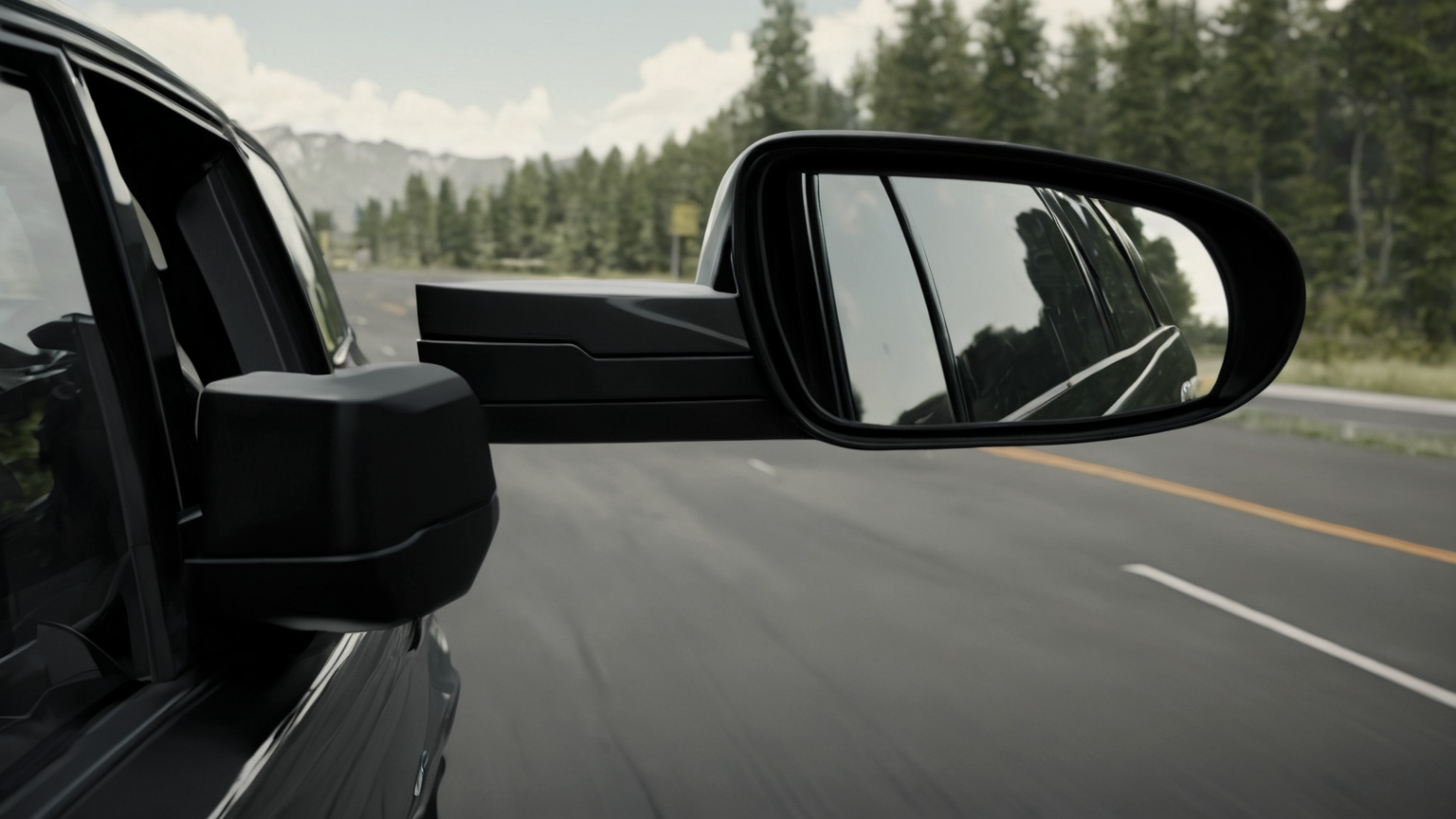
Rear cameras, sensors, and cross-traffic alerts can fail to detect a small child, a low cart, a fast bike, or a person emerging from between vehicles. Use them as one layer alongside walking around, mirror checks, shoulder checks, windows down when useful, and very low speed.
Make the pedestrian plan obvious
Hold hands, use crosswalks where available, avoid walking behind running vehicles, and teach children that a white reverse light or engine noise means stop and get visible. Drivers and pedestrians both need a plan, but the driver controls the heavier risk.
Step-by-step operating routine
- Define the real constraint before acting: weather, fatigue, food temperature, child movement, or home hazard.
- Use the listed official sources to verify any current alert, local rule, equipment manual, recipe instruction, or safety threshold.
- Choose the lower-risk option when the environment is unfamiliar, crowded, hot, poorly maintained, or outside your normal routine.
- Write down the stop condition before starting so the decision is not made while rushed or embarrassed.
- Re-check the result after the action and keep the habit only if it improves safety, comfort, or consistency without adding hidden risk.
Common mistakes to avoid
- Treating a generic tip as if it overrides current official guidance or local conditions.
- Continuing because the plan is already started, even after a stop signal appears.
- Using a product, vehicle, appliance, recipe, or exercise method in a way the source material does not support.
- Letting convenience remove the most important safety layer: supervision, temperature control, air sealing, hygiene, or a professional boundary.
Reader trust and scope note
This article is intentionally conservative: it favors verifiable sources, clear user decisions, internal links to related practical guides, and plain disclaimers over sensational claims. If your situation involves illness, injury, children, electrical hazards, food spoilage, vehicle danger, or structural problems, use local official guidance and qualified professionals first.
FAQ
What should I verify before using the checklist?
Verify the current official source, your real local conditions, product or vehicle instructions, and whether a professional boundary applies.
Does this replace professional advice?
No. It is a practical planning guide for everyday decisions, not medical, legal, emergency, mechanical, electrical, structural, or commercial food-service advice.
Implementation notes for real households
The most useful version of this guide is the one you can repeat on a busy day. Put the checklist where the decision happens, remove steps that require perfect memory, and decide in advance which signal sends you to a lower-risk option. Good safety routines are boring: they reduce the number of judgment calls you must make while tired, hot, distracted, hungry, or under time pressure. Review the outcome the next day. If the routine created confusion, shorten it. If it prevented a rushed mistake, keep it and make the safer choice easier next time.
A parking-lot departure routine for drivers
Use the same sequence every time. Before opening the driver door, scan around the vehicle for children, carts, pets, bikes, strollers, and people loading nearby. Once seated, silence the phone, set mirrors before movement, check the camera if equipped, turn your head, and pause for a full second before shifting. Begin with the brake covered and the vehicle moving slowly enough that a surprise can be handled without panic.
If visibility is blocked by a large vehicle, wall, landscaping, or cart corral, treat the first few feet as the highest-risk part of the trip. Inch out, stop, re-check, and continue only when the path is clear. Do not let another driver’s impatience make you reverse faster. A horn behind you is less important than a child you cannot see.
Family passenger plan
Children need a visible rule, not a vague warning. Teach them to hold an adult hand, stay away from the rear of running vehicles, and stop when they see reverse lights. When loading groceries, keep children supervised and out of the vehicle path. If a child drops a toy, shoe, or snack, the driver should remain stopped until an adult confirms the area is clear. Never assume a small child will keep standing in the place where you last saw them.
For teen drivers, practice in an empty lot with cones or safe markers before busy errands. The lesson should include blind zones, camera limitations, cross-traffic alerts, and the habit of stopping immediately when uncertain. Technology should reduce risk, not create confidence that replaces looking.
Parking choice and errand timing
When possible, choose a space that reduces backing: pull-through spaces, outer rows with fewer pedestrians, or spaces that avoid cart returns and store entrances. Avoid squeezing beside tall vehicles if a safer space is available farther away. During summer errands, glare, heat, and crowded family schedules can increase distraction, so the safer parking space may be the one that adds a short walk.
What to do after a near miss
If you nearly hit a pedestrian, cart, or child, stop and reset rather than continuing as if nothing happened. Check whether mirrors, camera lens, speed, passenger distraction, or parking choice contributed. A near miss is useful data only if it changes the next departure routine. If contact occurs, follow emergency, property, insurance, and legal requirements instead of relying on a blog checklist.
Practical follow-up log
Use a short follow-up log so the article becomes an action plan rather than a one-time read. Record the date, the condition you observed, the safer option you chose, and whether the result was better the next day. Keep the log simple enough to repeat: one line for the signal, one line for the action, and one line for the result. If the same problem appears twice, improve the setup before the third attempt instead of relying on willpower.
This is also where helpful-content quality matters. A checklist is only useful when it changes behavior in the real setting. Put supplies near the decision point, remove choices that create avoidable risk, and share the boundary with anyone else involved. If another adult, passenger, family member, or contractor participates, make the stop rule explicit before work starts. The safest plan is the one that remains understandable when the day is hot, crowded, rushed, or inconvenient.
Finally, revisit the official source links when conditions change. Public-health pages, vehicle guidance, food-safety instructions, and energy-efficiency recommendations can move or update. If a source contradicts a habit, prefer the current source and adjust the habit. That protects both reader safety and long-term site trust.
One-minute readiness recap
Before acting, pause for one minute and name the real hazard, the official source that applies, the safer fallback, and the point where you will stop. That quick recap prevents the most common failure: continuing with a familiar routine after the situation has clearly changed.