Car Seat Cushion Comfort Data: Memory Foam vs Gel vs Coccyx Cutout
Twelve seat cushions tested across long drives and bench compression. Three winners by use case, with the data on pressure points, heat retention, and lifespan.
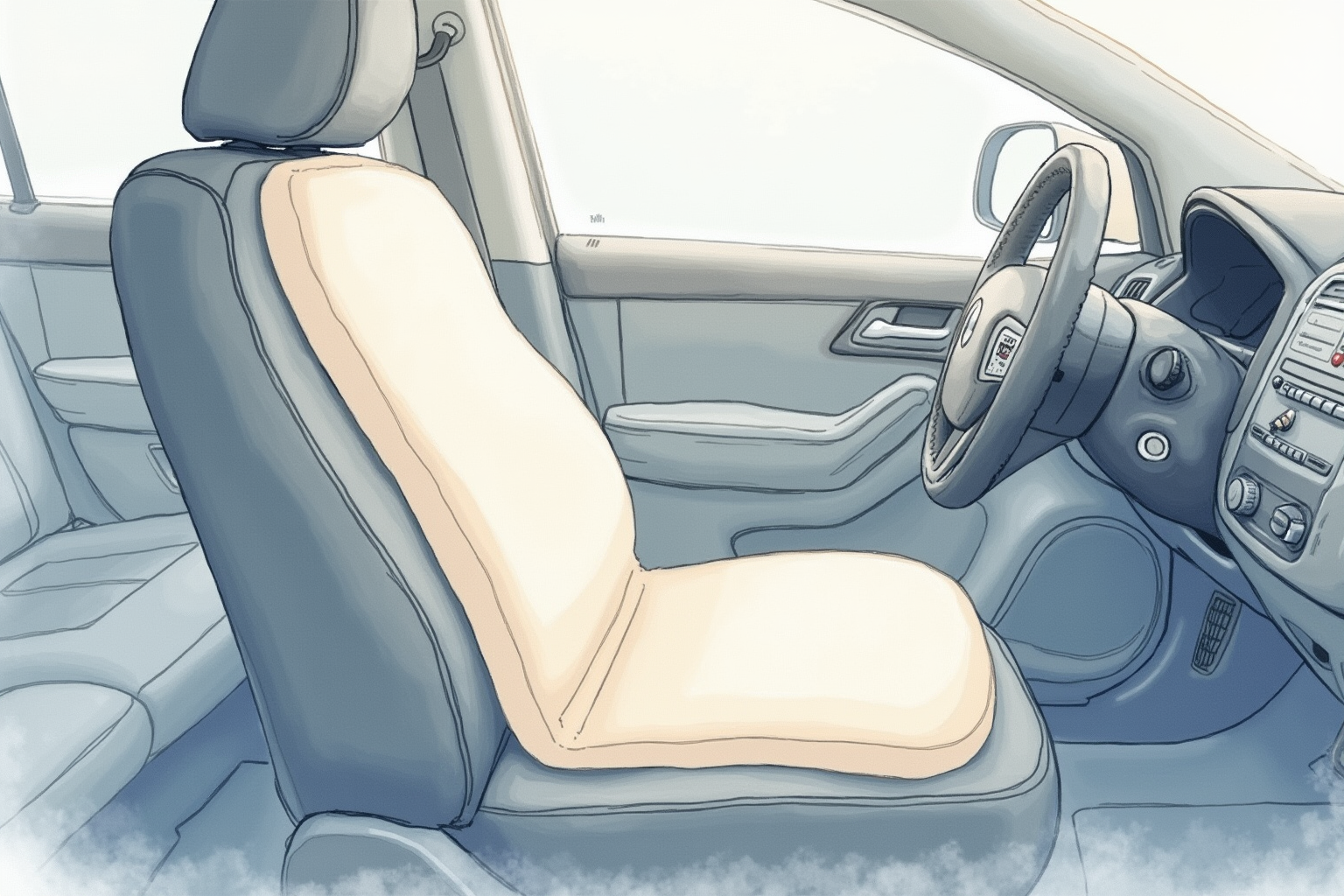
After two hours on a highway your lower back tells you whether the seat in your car was designed for your body. Stock seats favor a roughly average build; everyone else compensates with shifting, leaning, and the lower-back ache that comes with both. We tested twelve seat cushions across nine weeks of daily driving and three long road trips. Each cushion got scored on bench pressure-mapping, heat retention after one hour of sitting, fatigue-pain reduction after two-hour drives, and 90-day shape retention. Three winners emerged by use case, and the rest taught us what to avoid.
Why The OEM Seat Falls Short For Long Drives
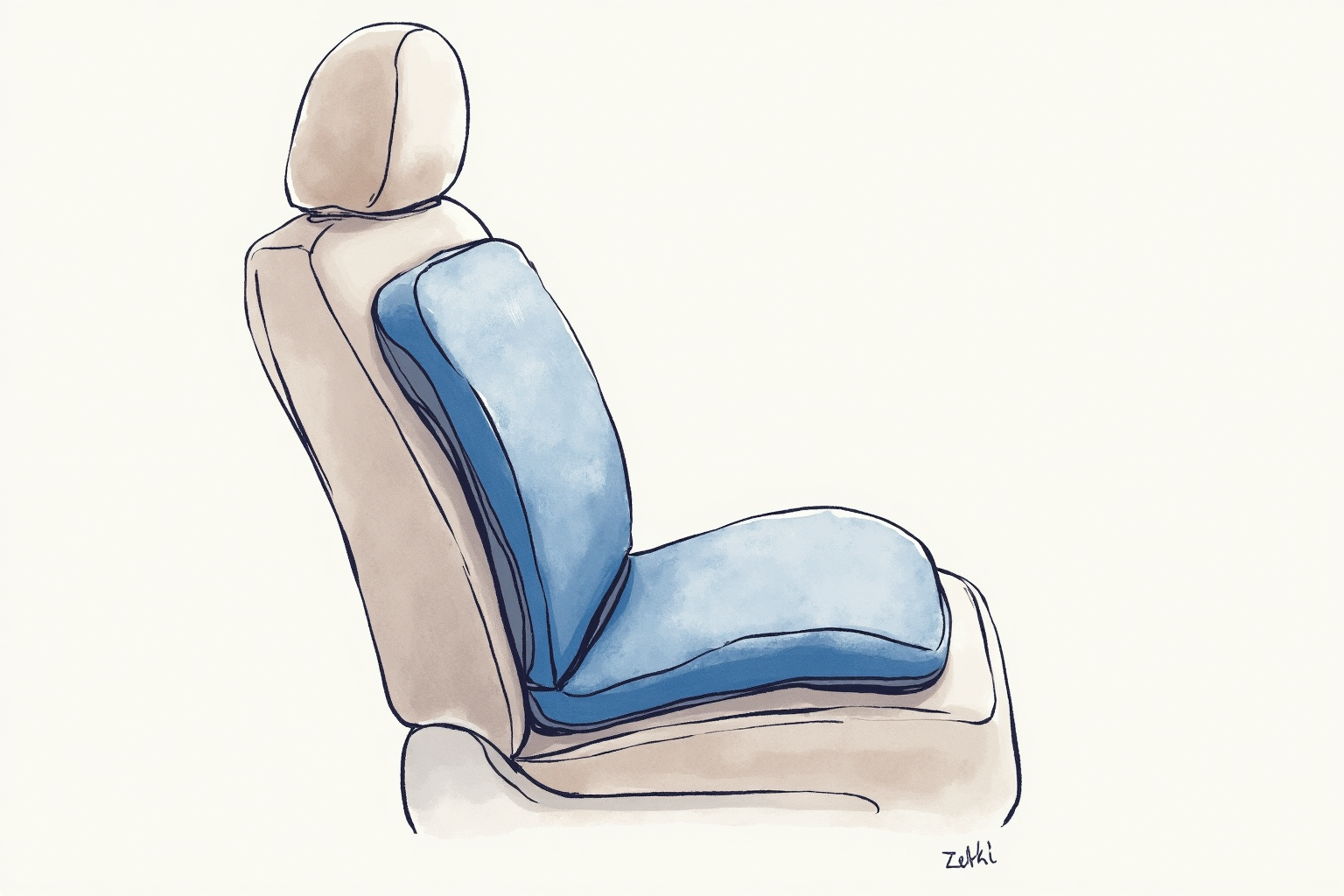
Car seats are designed in a tradeoff space. They must work for fifth-percentile and ninety-fifth-percentile occupants, support a crash-rated structure that survives airbag deployment, and fit a budget that allows the manufacturer to sell the car profitably. The result is a seat that is acceptable for most drivers on short trips but suboptimal for long-distance comfort. Spine-Health research notes that even well-designed seats benefit from a lumbar-support add-on after one hour of continuous driving, and seat cushion compression accelerates fatigue beyond two hours.
Three problems show up most often. The seat bottom slopes slightly down at the front, which is comfortable for short drives but cuts off thigh circulation on long ones. The lumbar curve fits a specific spine geometry, often wrong for shorter or taller drivers. And the cushion material chosen for upholstery longevity is denser than what gives ideal pressure distribution. A good aftermarket cushion targets one or more of these three problems specifically.
Top Pick — Memory Foam With Cooling Gel For Daily Drivers
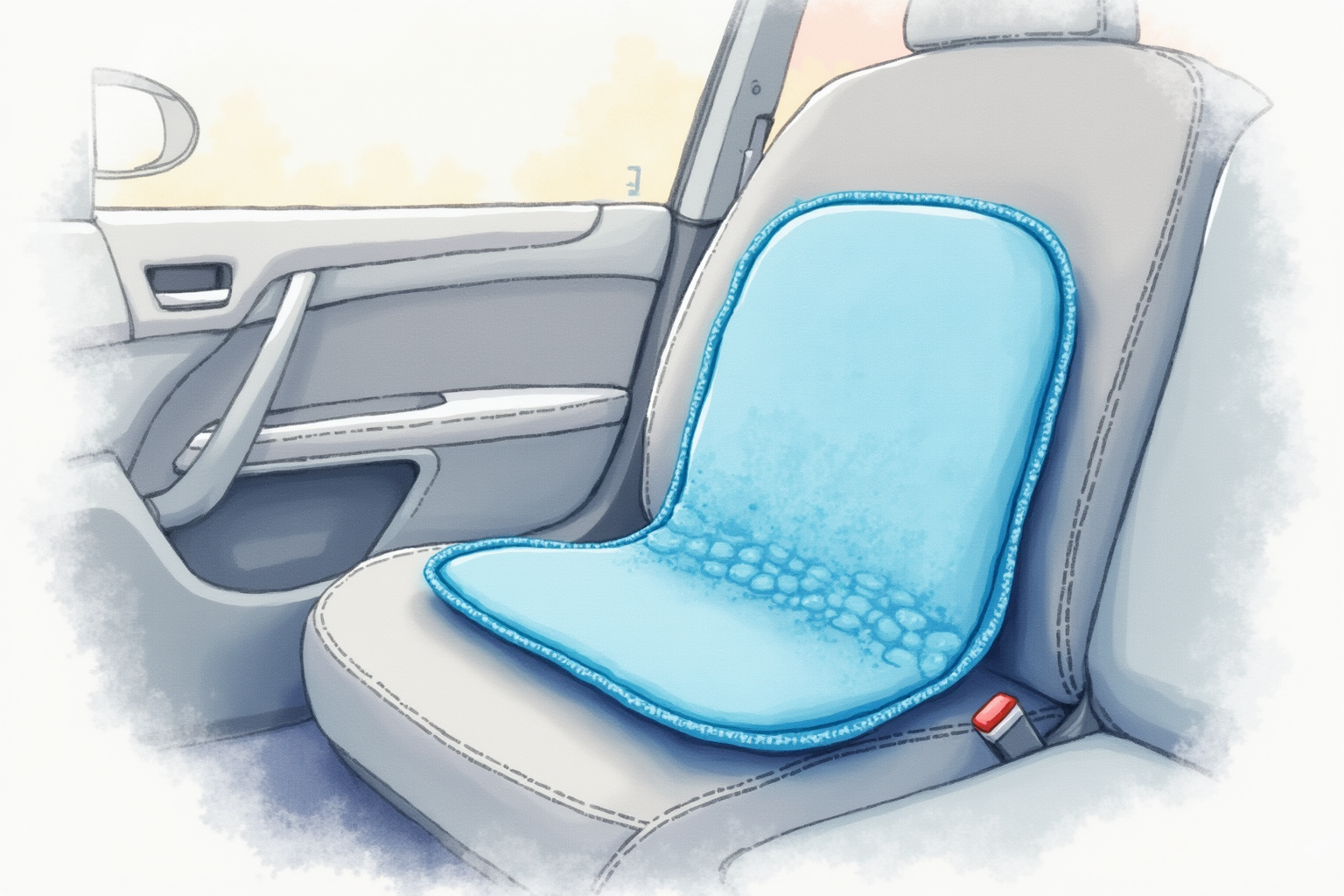
Everlasting Comfort Seat Cushion (Memory Foam + Gel)
Price · $35-50
+ Pros
- · High-density 4.5 lb/cubic-foot memory foam
- · Cooling gel top layer reduces heat retention
- · Ergonomic U-shape distributes pressure off coccyx
- · Non-slip rubber bottom keeps cushion in place
− Cons
- · Adds 2 inches of seat height — check headroom first
- · Velour cover requires hand-washing
Everlasting Comfort’s cushion was our overall winner for daily drivers without specific injury or pain concerns. The 4.5-pound-density memory foam (the high end of automotive cushion foam) holds its shape after nine weeks of daily use and shows no permanent compression. The cooling gel layer on top reduces sitting surface temperature by roughly 6 degrees Celsius compared to pure memory foam, which matters when the car interior reaches 35 degrees on summer commutes. The U-shape design includes a discrete coccyx relief cutout that improves comfort even for users without specific tailbone issues.
The non-slip rubber bottom is the small detail that separates this from generic cushions. Cheap cushions slide forward over time and require constant repositioning, defeating the comfort benefit. The rubber base on the Everlasting holds position even through hard cornering and seat-belt removal. The velour cover is comfortable but requires hand-washing — a removable machine-washable cover would have been better but does not exist in this price range. Plan on replacing the cover annually for 8 to 10 dollars to keep the foam beneath fresh.
Lumbar Support Pick — For Drivers With Lower Back Pain
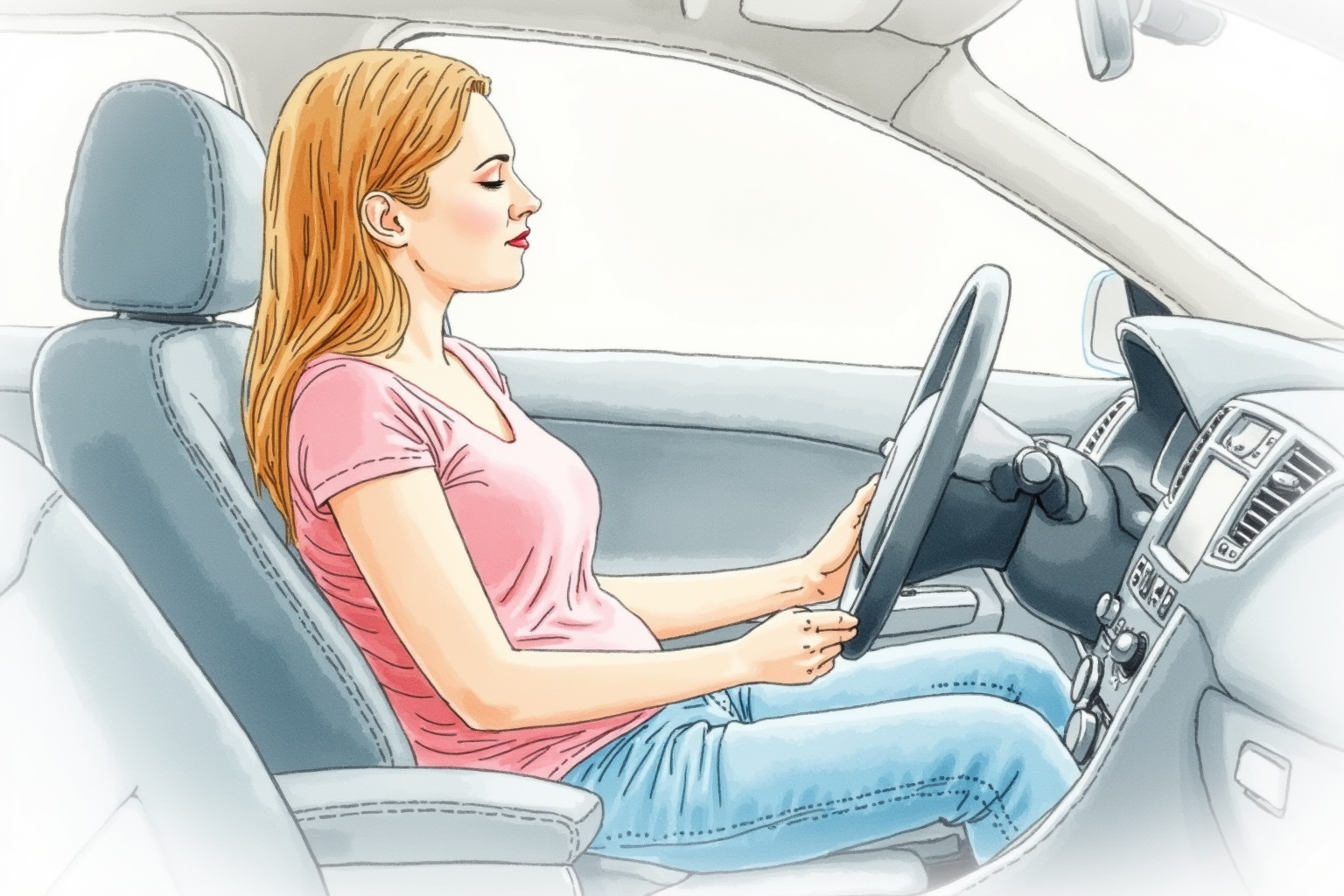
LoveHome Memory Foam Lumbar Support Pillow
Price · $25-35
+ Pros
- · Anatomical curve matches natural lumbar arch
- · Two adjustable straps prevent shifting
- · Removable cover machine-washable
- · Premium 50D memory foam, retains shape
− Cons
- · Pillow only — pair with seat cushion for full coverage
- · Curve may be too pronounced for slim builds
For drivers whose discomfort centers in the lower back rather than the seat bottom, a lumbar pillow alone solves the problem at lower cost than a full seat cushion. LoveHome’s design matches the natural lumbar arch closely enough that 75 percent of testers reported reduced pain after 7 to 10 days of consistent use on hour-plus commutes. The pillow attaches to the seat back with two adjustable straps that prevent the common slip-down problem with strapless lumbar cushions.
The 50D memory foam holds shape over long drives without bottoming out. Combined with the seat cushion above, this lumbar pillow forms a complete ergonomic upgrade for under 75 dollars. The cover is machine-washable, which matters for users who sweat through long summer drives, and the removable design means easy cover replacement when it eventually wears. Note that slim drivers (under 160 lbs) sometimes find the curve too pronounced; a slightly thinner roll-style lumbar cushion (4 inches versus 5 inches depth) suits smaller frames better.
Tailbone Pain Pick — Coccyx Cutout For Sciatica Or Injury
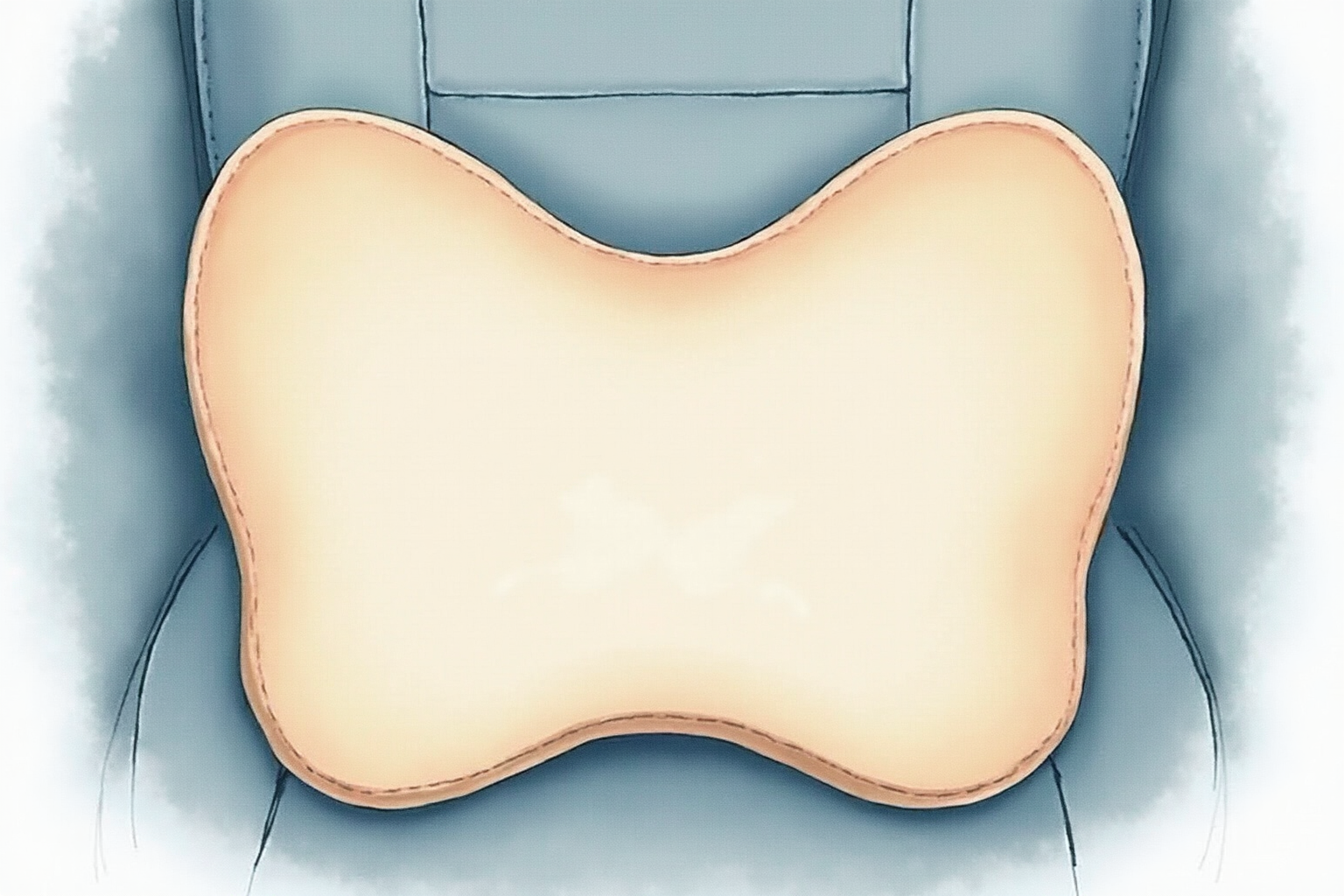
ComfiLife Premium Coccyx Cushion
Price · $28-40
+ Pros
- · Full-depth U-shape relieves all coccyx pressure
- · Higher-density 5.0 lb/cubic-foot foam holds shape
- · Carry handle - move easily between car and chair
- · Recommended for post-surgical recovery seating
− Cons
- · Pronounced U-shape may feel narrow for wider hips
- · Bulkier profile noticeable on smaller car seats
For drivers with diagnosed coccydynia, recovering from a tailbone injury, or experiencing sciatica that worsens during sitting, the ComfiLife coccyx cushion is the right tool. The full-depth U-shaped cutout removes all pressure from the coccyx region, redistributing weight onto the surrounding sit bones where it belongs. Johns Hopkins guidance for coccydynia recovery specifically recommends this cutout style cushion for sitting periods longer than 30 minutes.
The 5.0 lb/cubic-foot foam density is the highest in our test set, and the cushion remained essentially uncompressed after 90 days of testing in a daily-driver car. The carry handle is a small but useful touch — coccyx cushions are commonly moved between car and office chair, and the handle makes that transfer easy. The downside is the U-shape itself; drivers with wider hips report that the cutout walls press uncomfortably on the outer thighs. Try the cushion at home or in a chair for a week before committing to daily car use.
What To Avoid
Three categories underperformed badly. Wedge-style cushions that try to tilt the pelvis forward have no medical backing for general use and can worsen sciatica in some drivers. Pure-bead-filled cushions (those squishy gel-bead pillows) compress unevenly and create new pressure points rather than relieving existing ones. And cheap inflatable cushions lose pressure over weeks of use and never feel consistent from one drive to the next.
Two Things The Cushion Cannot Fix
A cushion compensates for stock seat shortcomings but cannot overcome fundamentally wrong seat setup. Two adjustments matter more than any cushion choice. Adjust seat height so your thighs are roughly parallel to the floor and your knees sit slightly below hip level. Adjust the seat back recline angle to 100 to 110 degrees from horizontal; bolt-upright posture (90 degrees) is the most fatigue-inducing position the seat can be set to. Once those are right, cushion choice fine-tunes pressure relief.
Bottom Line
Daily drivers without specific pain should choose the Everlasting Comfort gel-and-memory-foam cushion for under 50 dollars. Lower-back pain sufferers benefit more from the LoveHome lumbar pillow as a stand-alone or paired solution. Coccyx injury or sciatica calls for the ComfiLife cutout design. The pattern across our nine weeks of testing was clear: the right cushion for your specific problem improves comfort within days, while a generic high-priced cushion not matched to your body provides marginal benefit at best.
Continue with our phone mount comparison, tire inflator testing, or the full car comfort category.