How to Spot a Flood-Damaged Used Car: VIN, Title, and Inspection Checklist
A practical workflow for checking VIN identity, title brands, vehicle history, flood clues, recalls, and an independent pre-purchase inspection.
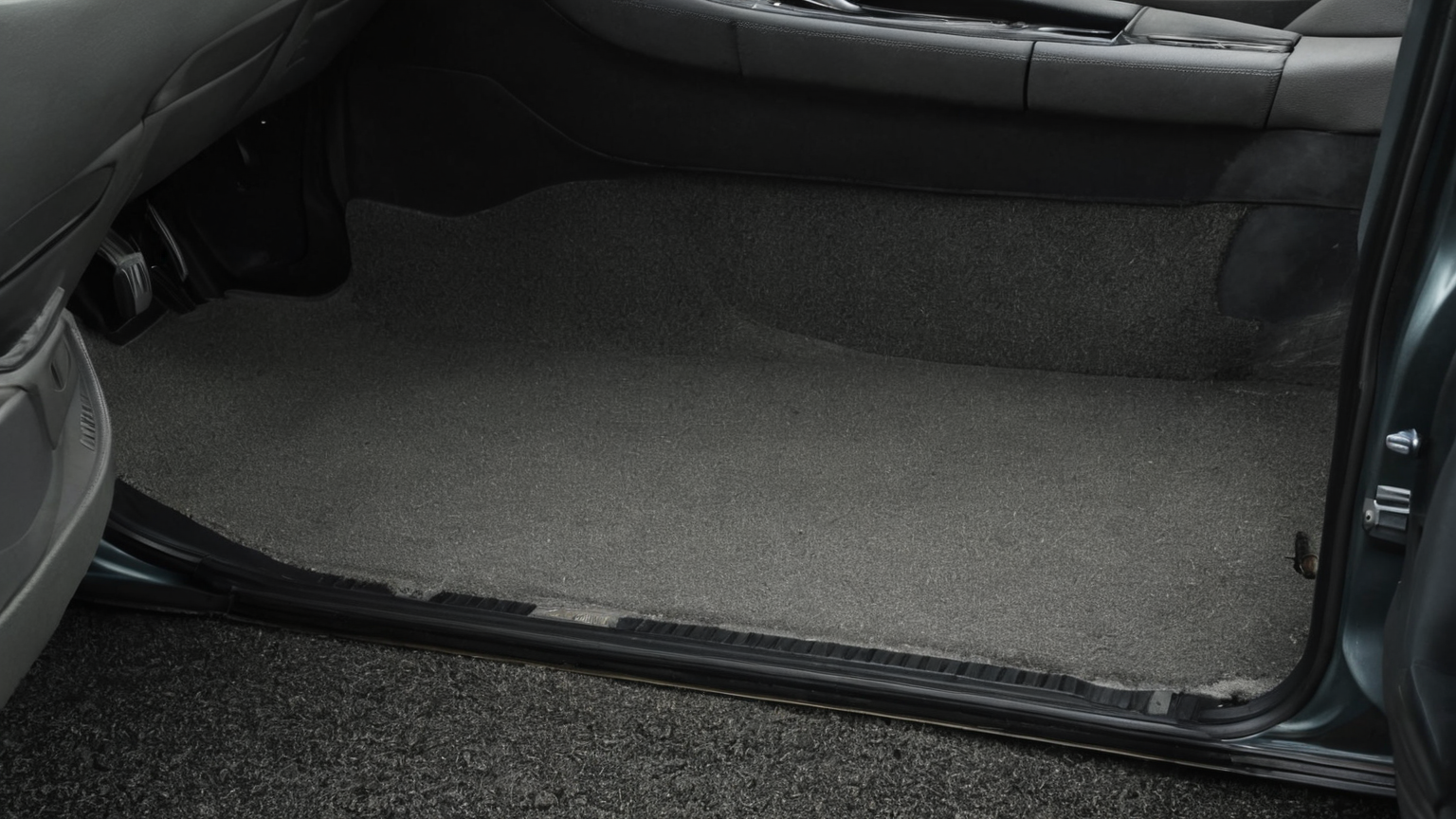
A flood-damaged car can look normal after detailing, new carpet, odor treatment, and a battery reset. The practical response is not to hunt for one magic clue. It is to build a chain of evidence: confirm that the VIN belongs to the vehicle, review title and loss records, check open recalls separately, inspect the car in daylight, and pay an independent professional to examine areas a seller can clean but not easily restore.
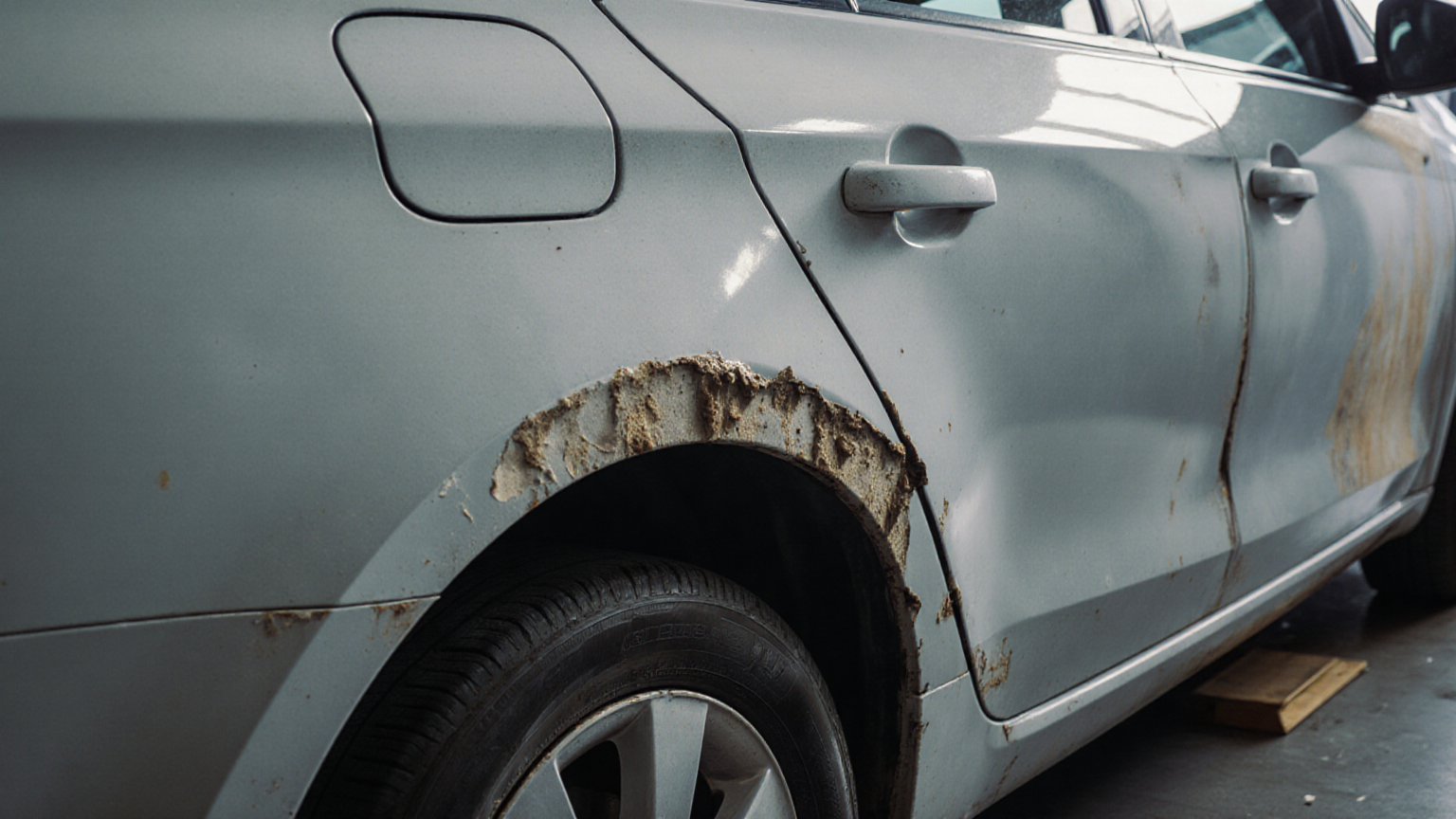
The Federal Trade Commission warns that storm-damaged vehicles may be cleaned and moved out of state for sale. Its consumer guidance recommends looking for mud or sand, rust, loose or mismatched carpet, mold or decay odors, strong cleaner odors, history records, and an independent mechanic’s inspection (FTC, 2022). An earlier FTC alert also identifies water stains, mildew, silt, fogging inside lamps, and unexpectedly new upholstery as warning signs (FTC, 2018).
The central rule: a clean report is not proof that a vehicle was never flooded. Reports contain what participating sources reported. Damage may have been uninsured, repaired privately, reported late, or omitted. Use every check below as a filter, not a guarantee.
Keep four questions separate
Used-car research often collapses four different checks into a vague instruction to “run the VIN.” That creates false confidence. Ask four distinct questions:
- VIN decoder: What vehicle is this VIN supposed to identify? NHTSA’s decoder displays manufacturer-reported attributes encoded in the number, including identifying information such as the vehicle and plant details (NHTSA VIN Decoder). It is an identity and specification tool. It is not a flood database, title report, ownership history, or mechanical inspection.
- Recall lookup: Does this specific VIN have an unrepaired safety recall? Use NHTSA’s separate recall lookup (NHTSA Recalls). Recall status is important, but an absence of open recalls says nothing about flood exposure.
- Title and vehicle history: What brands and events were reported? NMVTIS can provide title, most recent odometer, brand history, and—in some cases—historical theft information. DOJ explains that a brand is a state-applied label such as junk, salvage, or flood (NMVTIS consumer guide).
- Physical inspection: What does the car show now? Water lines, residue, corrosion, odors, replaced trim, wiring damage, and intermittent electrical behavior may be visible even when no database record exists.
A favorable answer to one question cannot substitute for the other three.
| Layer | Primary question | What it cannot prove |
|---|---|---|
| VIN decoder | Does this VIN identify the expected vehicle configuration? | Ownership, title brands, flood exposure, or current condition |
| Recall lookup | Is an unrepaired safety recall shown for this VIN? | That the vehicle is otherwise safe or flood-free |
| NMVTIS/title history | Which title brands, odometer events, and participating records were reported? | That every loss or repair was reported |
| Physical inspection and PPI | Do the records and the vehicle’s present condition agree? | Future reliability or the absence of hidden damage |
VIN and title decision flow
Use this flow before negotiating price or leaving a deposit:
Step 1 — Obtain the VIN from the vehicle, not only the advertisement. Photograph the VIN visible through the windshield and the certification label in the driver-door opening. Compare those characters with the title, registration, seller’s report, service invoices, and listing. A typo should be corrected before any report is ordered. A missing, altered, scratched, loose, painted-over, or inconsistent identifier is a stop sign, not a bargaining point.
Step 2 — Decode the VIN. Enter it in NHTSA’s official decoder. Compare the returned make, model year, body type, engine or powertrain details where available, and plant information with the car in front of you. A decoder mismatch can result from a transcription error, but it can also indicate the wrong paperwork or a more serious identity problem. Do not proceed until the mismatch has a documented, credible resolution.
Step 3 — Run the recall lookup separately. Record the result and ask for repair documentation for any open campaign. Do not describe “no unrepaired recalls shown” as “the vehicle is safe.” A recall search is narrow by design and does not evaluate corrosion, contaminated fluids, restraint connectors, or repaired flood damage.
Step 4 — Buy an NMVTIS report through an approved provider. DOJ maintains the current list of providers authorized to sell NMVTIS information to the public (approved NMVTIS providers). The DOJ’s “Check NMVTIS Before You Buy” brochure directs consumers to check the system before purchase (DOJ brochure). Use the official provider list rather than a search ad that merely uses “VIN check” language.
Step 5 — Read the report, not just its green summary. Check current and prior title jurisdictions, title dates, brand history, odometer sequence, junk or salvage records, and insurance total-loss information when present. NMVTIS was established as a national system under federal anti-car-theft law and is intended to help states and consumers detect title fraud and unsafe vehicle histories (BJA NMVTIS overview).
Step 6 — Compare with state records and the paper title. Texas DMV’s consumer Title Check page provides a useful model: obtain the VIN, select an approved provider, and review whether the vehicle entered a junk or salvage yard or was declared a total loss (TxDMV Title Check). If the seller is not the named owner, the title is absent, dates do not make sense, or a lien release is missing, pause the transaction and follow the rules of the titling state.
Decision:
- VIN mismatch or altered identifier: walk away and do not exchange money.
- Flood, salvage, junk, rebuilt, or water-damage brand: walk away unless you deliberately shop in that specialist category and have verified legal, insurance, financing, repair, and resale consequences in writing.
- Odometer inconsistency, unexplained state hopping, or total-loss record: stop and investigate; do not accept a verbal explanation alone.
- No adverse record: continue to the physical inspection. Do not skip it.
Physical flood red flags, area by area
Inspect outdoors in daylight. Start with the car cold if the seller permits, because a pre-warmed vehicle can conceal starting, charging, or warning-light behavior. Bring a flashlight, disposable gloves, paper towels, and a notepad. Do not dismantle trim on a car you do not own.
Cabin and cargo area
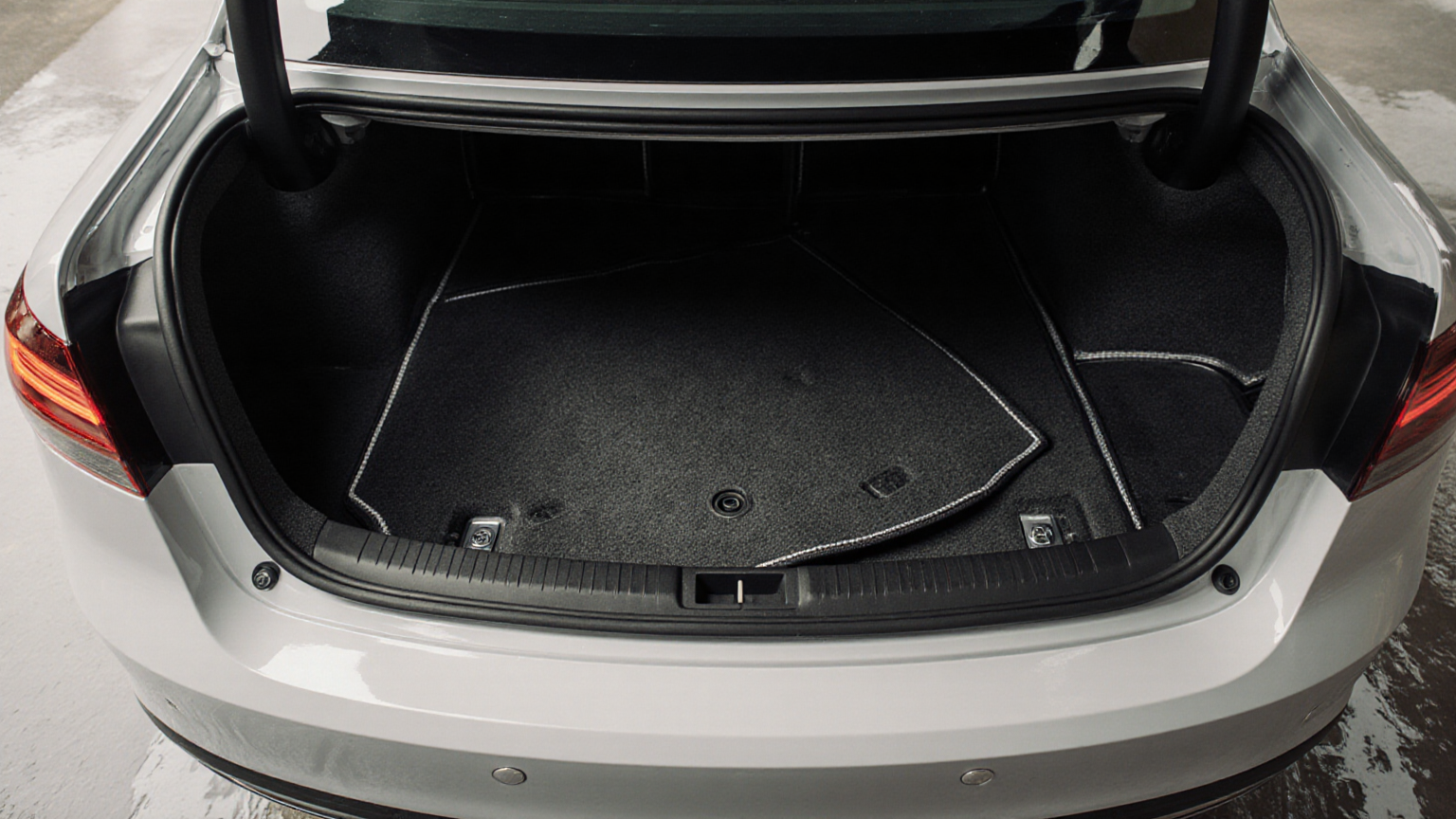
- Smell the cabin and trunk before the ventilation system is turned on. Mustiness, decay, or mold matters; so does an overpowering fragrance, disinfectant, ozone-like odor, or fresh shampoo smell.
- Compare carpet color, pile, edge fit, and apparent age with the seats and trim. New or mismatched carpet in an older car needs a documented explanation.
- Look under movable floor mats and, with permission, lift only loose, designed-to-open cargo-floor panels. Check for tide lines, brown residue, sand, silt, rusted fasteners, damp padding, or staining.
- Inspect seat rails, seat mounting bolts, spare-wheel well, jack storage, cargo tie-downs, and low metal brackets. Uniform surface aging is different from concentrated corrosion in low, protected locations.
- Check the lowest seams of seat upholstery and seatbelt webbing. Extend each belt and examine the full accessible length for discoloration or grit; let it retract normally.
Mold safety: do not sniff materials closely, rub visible growth, or continue inside a vehicle that causes respiratory or eye irritation. Leave the vehicle. People with asthma, allergies, or immune concerns should avoid suspected mold exposure and use qualified professionals. Disposable gloves are not a substitute for appropriate respiratory protection and remediation expertise.
Dashboard, electronics, and lighting
- With the key on and engine off, observe whether expected warning lamps illuminate for their normal self-check. After starting, note lamps that stay on, flicker, or never appeared.
- Test each owner-operated function: windows, locks, mirrors, seat controls, wipers, washers, horn, exterior lamps, interior lamps, climate fan at every speed, audio, cameras, parking sensors, USB ports, and power outlets.
- Look for fogging, droplets, sediment, or staining inside headlamp and taillamp housings. Ordinary condensation can have other causes, so treat it as a clue requiring diagnosis, not stand-alone proof.
- Look at visible connector areas only. Green or white deposits, rusty brackets, inconsistent replacement modules, taped harnesses, and fresh dielectric grease across many unrelated connectors deserve professional investigation.
Electrical safety: never unplug airbag, high-voltage, battery, restraint, or control-module connectors during a shopping inspection. Do not probe energized circuits, remove high-voltage covers, or touch wet wiring. Hybrid and EV systems require trained technicians and model-specific safety procedures.
Engine bay and fluids
- Look for a horizontal residue line, silt in corners, leaves or debris in unusual enclosed areas, corrosion on brackets, and mud beneath cosmetic covers that can be viewed without removal.
- Compare exposed aluminum, steel fasteners, ground points, fuse-box surroundings, and hood-latch hardware. A freshly washed engine bay is not proof of concealment, but it reduces what you can observe.
- Ask the independent inspector to check engine oil, transmission fluid where serviceable, coolant, differentials, and other units for contamination according to manufacturer procedures. Do not open a hot cooling system.
- Inspect the air-filter housing only if the seller authorizes it and it can be opened without tools or damage. A wet, distorted, stained, or recently replaced filter needs context.
Undercarriage, brakes, steering, and exhaust
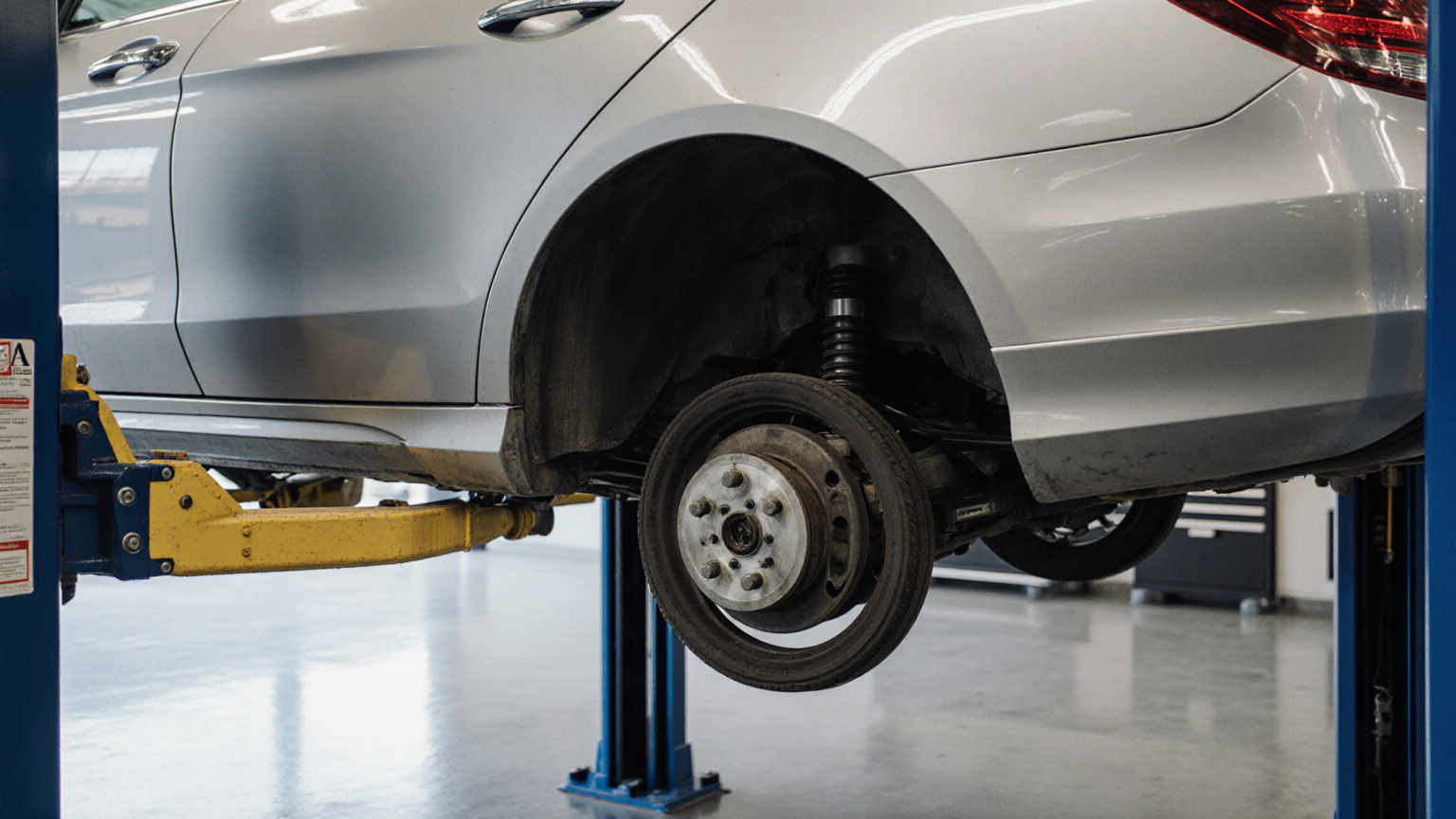
A lift inspection matters because water and residue settle in cavities that driveway viewing cannot reveal. The technician should examine subframes, brake backing plates, electrical grounds, harness clips, fuel and brake lines, exhaust shields, wheel bearings, suspension joints, and drain points. Surface rust may be normal for region and age; the concern is corrosion severity, location, asymmetry, residue trapped above shields, or deterioration inconsistent with the rest of the vehicle.
Road-test behavior
With permission and insurance coverage confirmed, drive at neighborhood and road speeds. Watch for intermittent warnings, rough shifts, unstable idle, wheel-bearing noise, brake pull, steering faults, camera or sensor failures, and climate-control changes. Cycle features more than once. Water-related faults can be intermittent, but any normal test drive is only a sample; passing it does not clear the car.
The independent PPI checklist
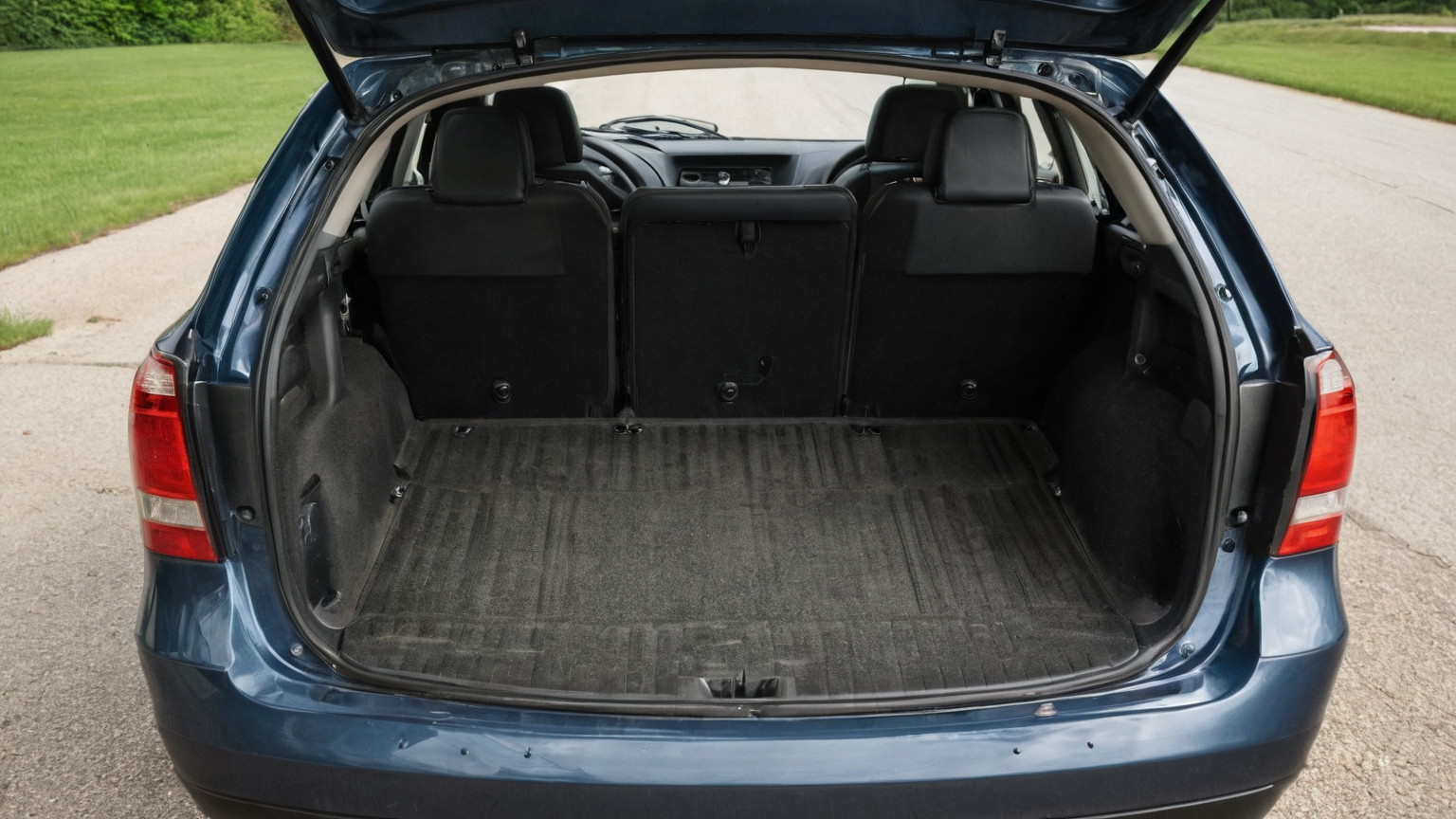
Schedule your own inspection at a qualified shop that has no financial relationship with the seller. Tell the shop before the appointment that flood exposure is the concern. A generic safety inspection may not include interior disassembly, module-network testing, or water-contamination checks. Use the broader used-car pre-purchase inspection guide for the rest of the vehicle, and request these flood-specific items in writing:
- Verify all accessible VIN labels and paperwork consistency.
- Review NMVTIS/title findings supplied by the buyer; do not ask the mechanic to infer title status from condition.
- Scan all available vehicle modules, not only the engine computer, and document current, pending, history, communication, voltage, and configuration faults where the tool supports them.
- Check readiness status and evidence of a recent reset while recognizing that neither proves flood damage.
- Inspect accessible low-mounted modules, connectors, grounds, harness routing, fuse/relay centers, restraint-system areas, seat wiring, and body-control electronics without unsafe probing.
- Remove only trim or underbody panels authorized by the owner and included in the estimate; inspect carpet backing or padding where access is lawful and non-destructive.
- Inspect fluids and lubricated units using manufacturer-approved methods.
- Put the car on a lift and document abnormal corrosion, trapped sediment, damaged seals, wheel-bearing concerns, and residue in protected cavities.
- Test charging and 12-volt battery health, then perform a complete functional test of accessories and safety systems.
- For a hybrid or EV, use a technician trained for that model’s high-voltage system; request checks for isolation faults, corrosion, cooling-system condition, and manufacturer-defined inspection points.
- Photograph findings and classify each as normal aging, maintenance need, unresolved clue, confirmed damage, or safety concern.
- Provide a written estimate for further diagnosis and repairs. “Could be nothing” is not a resolution.
An OBD-II scanner is useful for documenting codes, but a clean scan cannot rule out flood damage. Codes can be cleared; not every wet connector sets a code; corrosion may develop gradually; and basic readers may not access body, restraint, network, or high-voltage modules.
Documented walk-away triggers
Walk away when risk cannot be bounded, not only when a seller admits flooding. Record the VIN, date, listing screenshots, report receipt, photographs you were permitted to take, and the inspector’s findings. Do not accuse the seller; simply decline the transaction.
Treat any of these as a walk-away trigger for an ordinary used-car purchase:
- A VIN is altered, missing, inconsistent, or does not decode to the vehicle.
- The title is absent, not in the seller’s name, materially inconsistent with the vehicle, or accompanied by an unresolved lien.
- A flood, water, junk, salvage, rebuilt, or total-loss history appears and was not clearly disclosed before inspection.
- The seller supplies only a screenshot or summary and refuses to let you order your own report.
- The seller refuses an independent PPI, limits lift access, prevents module scanning, or insists on choosing the inspector.
- Visible water lines, silt, widespread low-level corrosion, soaked padding, or mold appears.
- Multiple unrelated electronic systems malfunction or show communication faults without a credible repair record.
- Warning lamps do not perform a plausible bulb check, or restraint and safety-system faults remain unresolved.
- The seller pressures you to pay a nonrefundable deposit before checks are complete.
- Explanations change, documents conflict, or repairs cannot be supported by invoices and photographs.
One isolated clue can have an innocent explanation. Several clues that align across records, interior, wiring, and underbody create a pattern. You do not need courtroom-level proof to decline a purchase.
A hypothetical cost-of-screening calculation
This example is educational, not a market-price claim. Assume a buyer is considering a $20,000 used car and chooses the following screening budget:
- NMVTIS report: $15 assumed
- Broader commercial history report: $45 assumed
- Independent PPI with flood-focused add-on: $250 assumed
- Local transportation to and from the shop: $40 assumed
Total assumed screening cost: $15 + $45 + $250 + $40 = $350. That is $350 ÷ $20,000 = 1.75% of the asking price.
Now assume—not predict—that an undiscovered water-related electrical and interior repair would cost $5,000. The screening cost equals $350 ÷ $5,000 = 7% of that hypothetical repair. Another way to frame the decision: if screening reduced the chance of buying a car with that $5,000 problem by more than 7 percentage points, its expected avoided cost would exceed $350 under these simplified assumptions.
The calculation excludes time, taxes, towing, diminished resale value, financing, insurance limits, alternative transportation, and the possibility that a fault cannot be economically repaired. Replace every assumed number with written local quotes. The point is not that every PPI “saves” money; it is that a known, capped screening cost can be compared with an uncertain downside before you become the owner.
Put the workflow into your shopping plan
If you are comparing used SUVs under $25,000 or researching a specific model such as the 2018–2022 Honda Civic, apply the same flood screen to every finalist. Consistency prevents a clean-looking cabin, attractive price, or desirable trim from lowering your standard.
Before leaving home, request the VIN and title status, decode the VIN, run NMVTIS, check recalls, and book a provisional inspection slot. At the vehicle, compare identifiers and complete the area-by-area screen. Only then spend money on the PPI. Buy only after the seller’s identity, title, reports, physical condition, repair documentation, and written deal terms agree.

Frequently asked questions
Can a clean vehicle-history report prove a car was never flooded?
No. A report reflects records supplied to its databases. Uninsured, unreported, delayed, or incorrectly recorded damage may not appear. Treat title history as one layer, then verify VIN identity and obtain an independent physical inspection.
What is the difference between a VIN decoder and a title-history report?
A VIN decoder identifies manufacturer-reported vehicle attributes encoded in the VIN. A title-history report can show title brands, odometer information, and certain salvage, junk, or total-loss records. Neither replaces a physical inspection.
Should I buy a used car with a flood brand if it is inexpensive?
A flood brand is a documented walk-away trigger for most ordinary buyers because water can affect safety, electrical, mechanical, and corrosion-prone systems. If you still consider it, use a specialist inspection and obtain written insurance, registration, financing, and resale answers first.
Can an OBD-II scan rule out flood damage?
No. A scan may reveal current, pending, or stored diagnostic faults, but a clean scan cannot establish that wiring, connectors, modules, sensors, or interior materials were never exposed to water.
What should I do if the seller refuses an independent inspection?
Do not buy the vehicle. A refusal, restricted access, pressure to pay first, or an attempt to choose and control the inspector prevents you from completing basic due diligence.
Bottom line
A trustworthy used-car decision does not come from a single green badge. Decode the VIN to verify identity, check recalls for a separate safety obligation, obtain title history through an approved NMVTIS provider, compare records with the paper title, inspect the vehicle for physical evidence, and commission an independent flood-focused PPI. If any layer conflicts with another—or the seller prevents you from completing a layer—the safest purchase decision is to keep shopping.