Summer Night Driving: Glare, Visibility, and Fatigue Plan
A practical 2026 driver checklist for night glare, windshield visibility, headlight use, fatigue breaks, passengers, and safer summer trip timing.
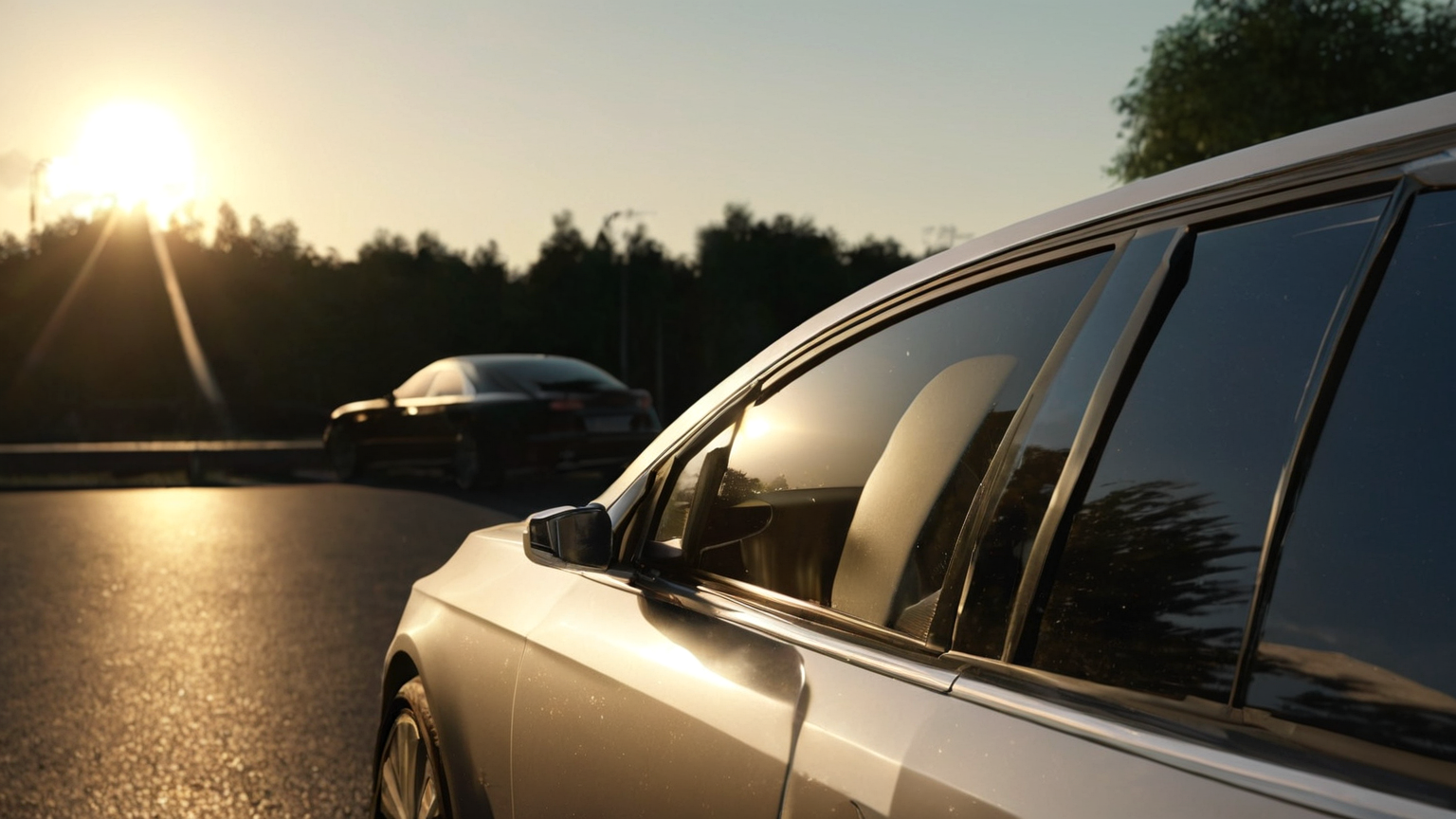
Summer night driving can feel easier because temperatures drop, but glare, dirty glass, tired drivers, low-contrast pedestrians, insects on windshields, and long vacation schedules can stack risk quickly. This guide was checked on 2026-06-08 against NHTSA, CDC, NIH National Eye Institute, Ready.gov, and FEMA resources. It is not mechanical, medical, or legal advice; use your vehicle manual, eye-care guidance, local traffic laws, and emergency instructions first.
Quick decision table
| Situation | Safer choice | Mistake to avoid |
|---|---|---|
| Windshield, mirrors, or headlights are dirty | Clean before leaving and replace worn wipers by manual | Trying to solve glare only by squinting |
| Driver is sleepy or behind schedule | Stop, switch drivers, or delay | Using caffeine as permission to keep driving indefinitely |
| Glare or low contrast increases | Slow down and increase following distance | Overdriving the visible stopping distance |
| Passengers, phones, or navigation distract | Set roles and stops before moving | Adjusting screens and routes while driving |
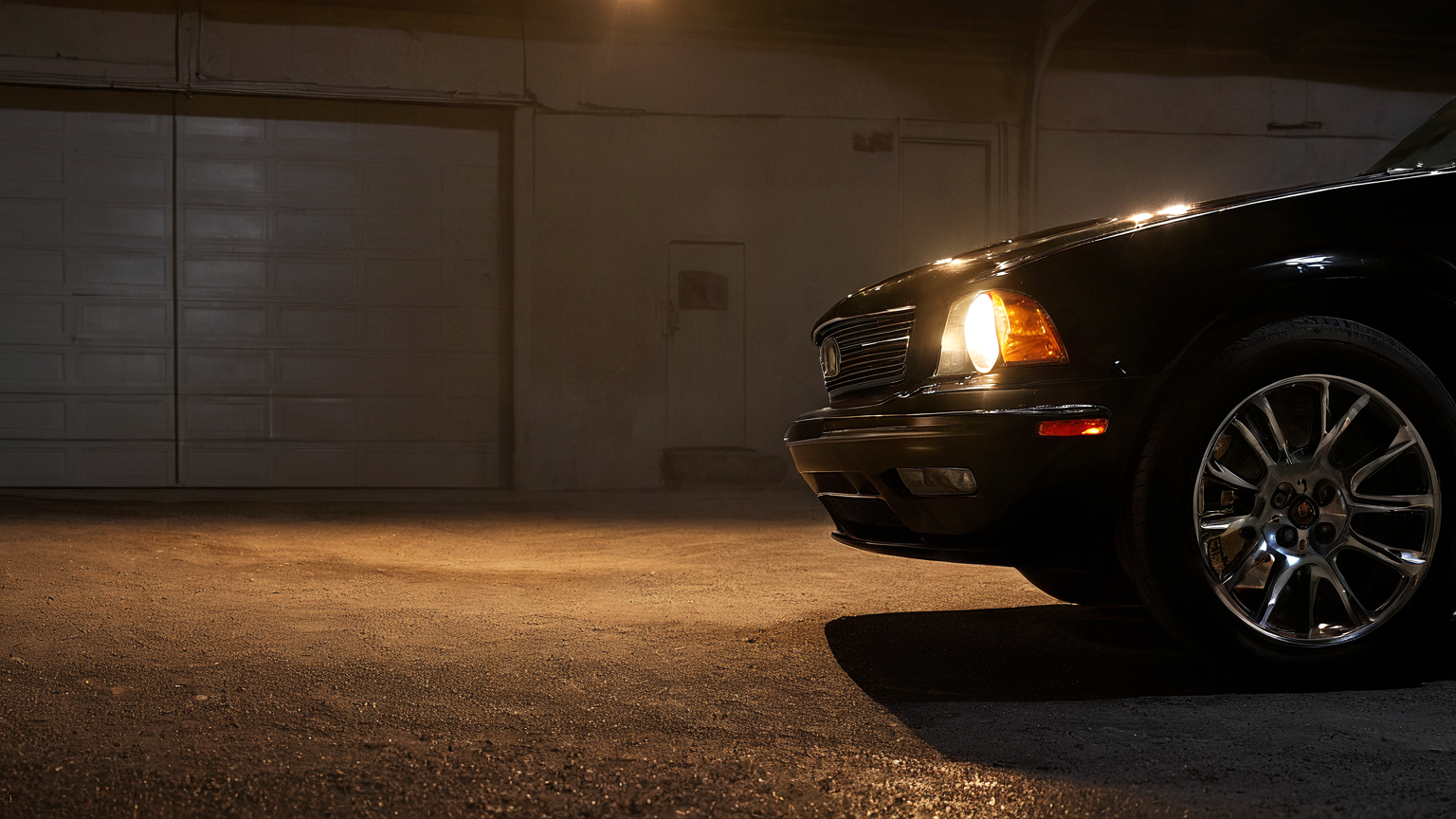
1. Prepare visibility before sunset
Clean the windshield, mirrors, exterior glass, and headlight lenses before glare becomes a problem. Replace worn wipers by the vehicle manual, remove dashboard clutter that reflects in the glass, and confirm that lights work before the trip starts.
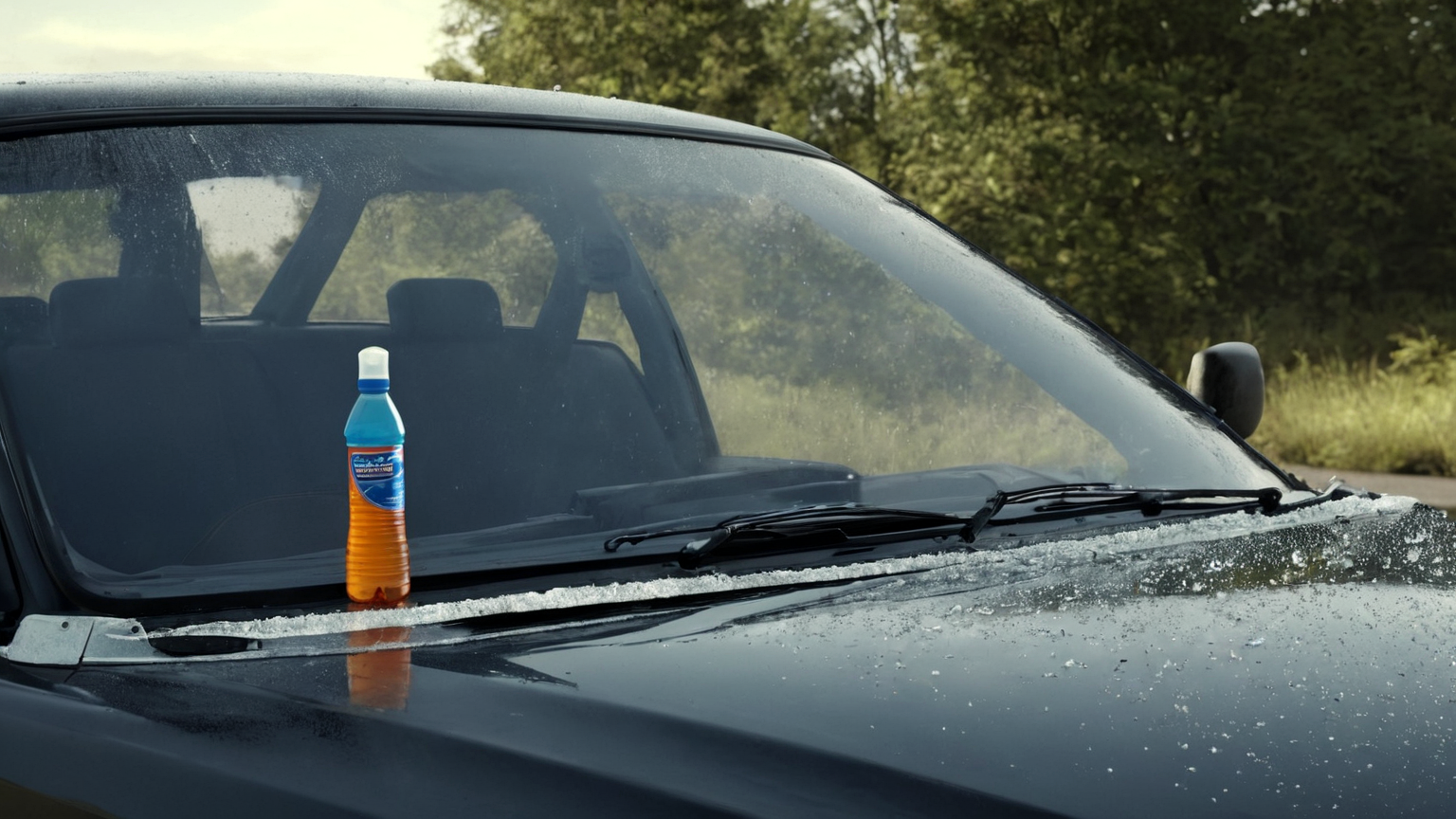
2. Treat fatigue as a route-planning problem
Night driving fatigue is not solved by willpower. Plan rest stops, driver swaps, realistic arrival times, and a point where you will delay rather than continue. If eyelids feel heavy, lanes drift, or attention fades, stop in a safe place instead of bargaining for one more mile.
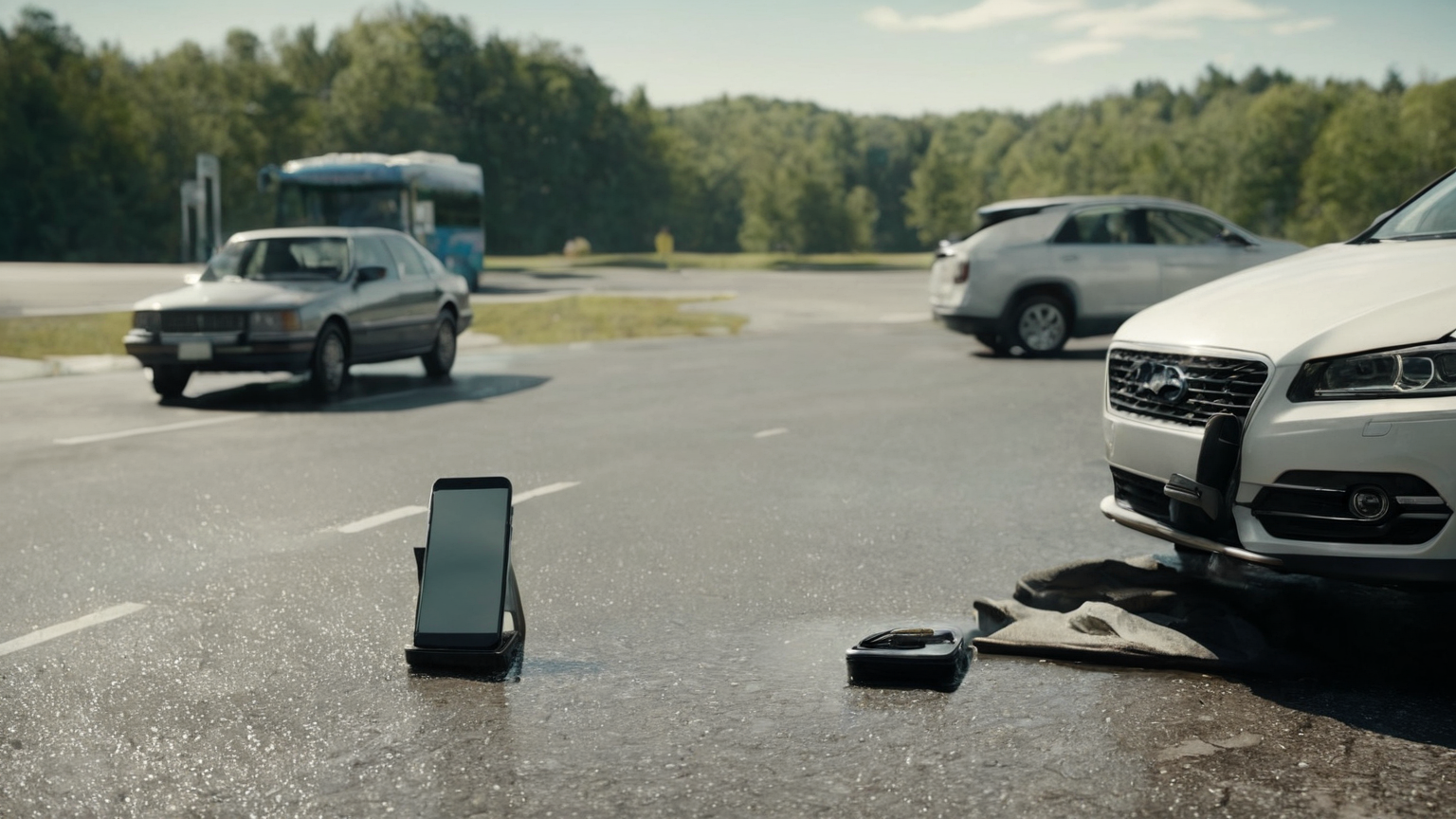
3. Use lights and speed to buy reaction time
At night, you often see hazards later. Use appropriate headlights, slow enough for the visible stopping distance, and increase following distance when glare, rain, insects, or low contrast reduce visibility. Do not stare into oncoming lights; focus on lane position and safe spacing.

4. Keep passengers and distractions managed
Set navigation, climate, music, and passenger roles before moving. A passenger can handle route checks or messages, but the driver should not adjust screens during low-visibility moments. Keep the phone mounted or away, and stop safely when a change is needed.
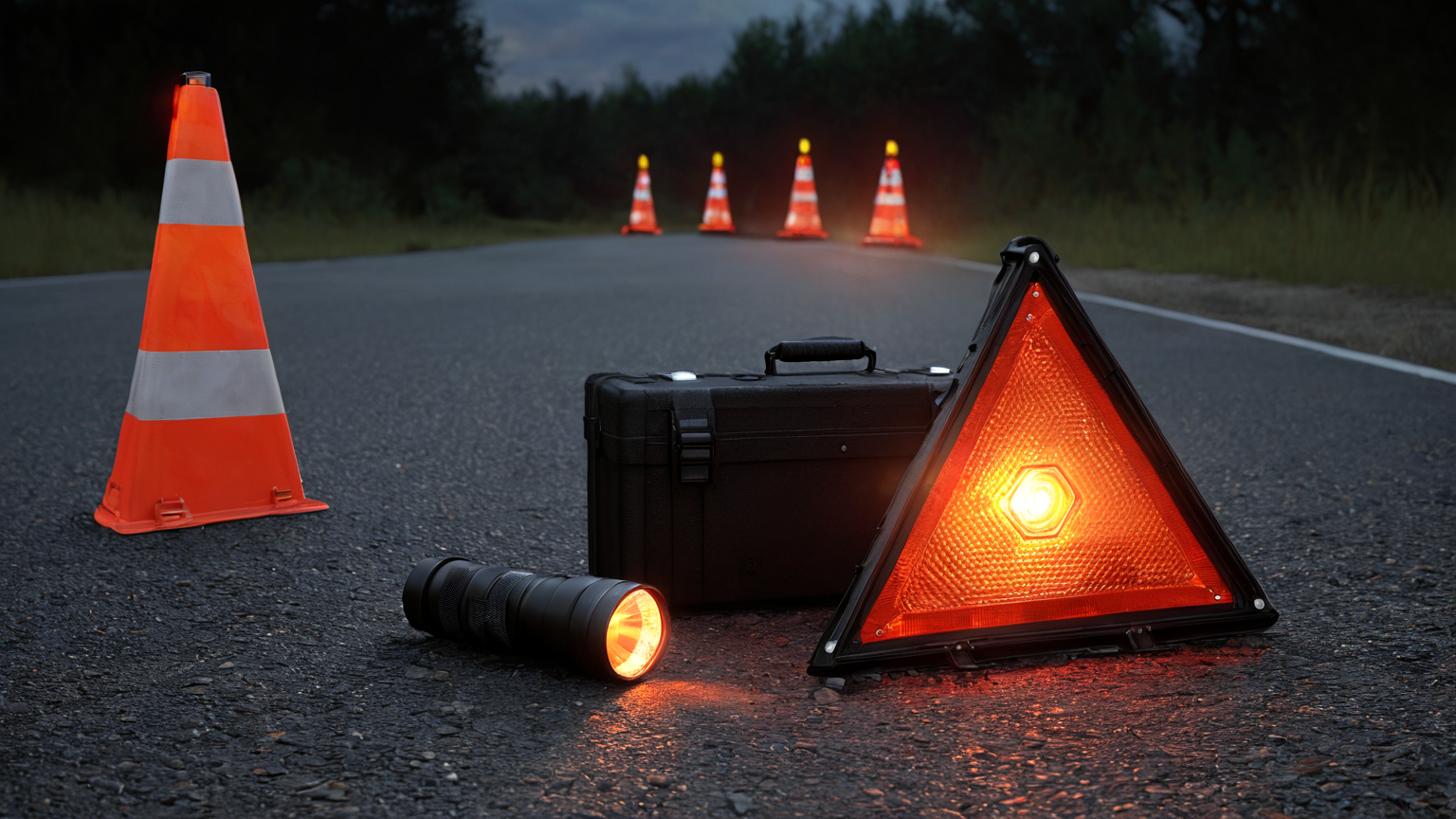
5. Review the trip before the next night drive
After arrival, note whether glare, fatigue, dirty glass, poor lighting, or schedule pressure created the biggest risk. Replace missing kit items and adjust next trip timing. This makes the guide practical and safety-first rather than a thin list of generic driving tips.
Step-by-step operating checklist
- Clean glass, mirrors, lights, and wipers before sunset.
- Plan rest stops, driver swaps, navigation, and a turn-back point before fatigue builds.
- Increase following distance and slow down when glare, rain, insects, or low contrast reduce visibility.
- Keep route changes, phone use, and passenger tasks out of the driver’s hands while moving.
- Record what caused glare or fatigue so the next night trip is scheduled more safely.
FAQ
Does this replace professional advice? No. It is a planning aid built from the listed sources; medical, vehicle, traffic-law, roadside, or emergency decisions can require qualified help.
Why are there no text-heavy graphics? The images are illustrative GTI13 raster assets. Procedures, tables, and warnings are written in the page body so readers and search engines can verify them.
What is the AdSense-readiness benefit? The article uses current source links, practical limitations, non-commercial guidance, internal links, and a clear safety-first tone, which preserves trust rather than adding thin volume.