Summer Road Trip Tire Pressure and Load Checklist
A practical 2026 checklist for tire pressure, tread, load, heat, and emergency stops before a summer drive.
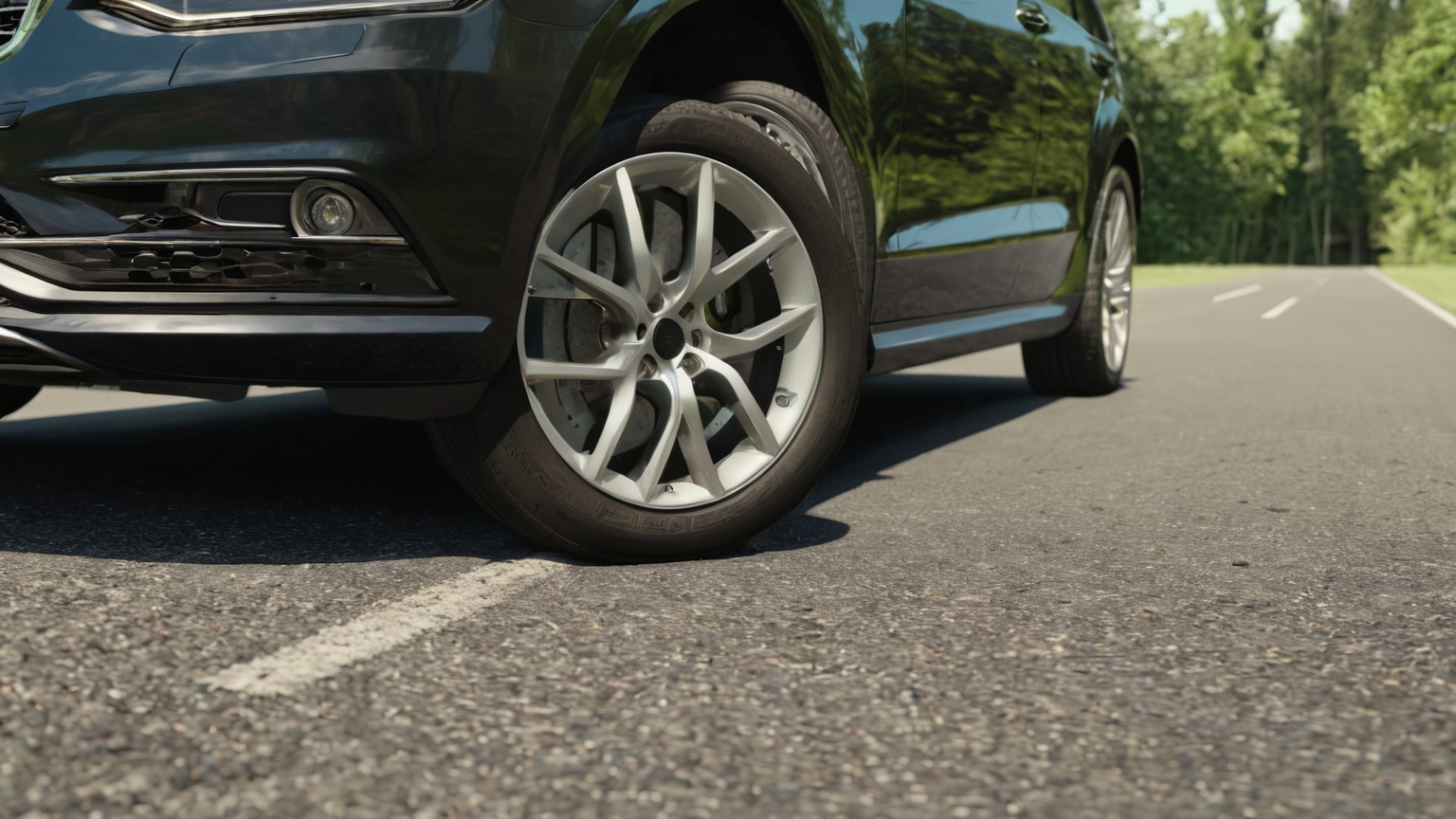
Summer road trips put tires through heat, speed, load, and long-distance stress. This guide was checked on 2026-06-01 against NHTSA, FuelEconomy.gov, Ready.gov, FHWA, National Weather Service, and Consumer Reports resources. Use your owner manual, tire placard, tire maker guidance, and a qualified mechanic for the exact vehicle.
Pre-trip tire table
| Check | What to do | Why it matters |
|---|---|---|
| Pressure | Check cold pressure before driving | Heat and load magnify underinflation problems |
| Tread | Inspect depth and uneven wear | Worn tires handle rain and heat poorly |
| Sidewalls | Look for cuts, bulges, cracks, objects | Damage can fail under highway stress |
| Load | Keep cargo within vehicle ratings | Overload changes handling and tire temperature |
| Weather | Plan for heat, storms, and construction | Road conditions change stopping distance and margins |
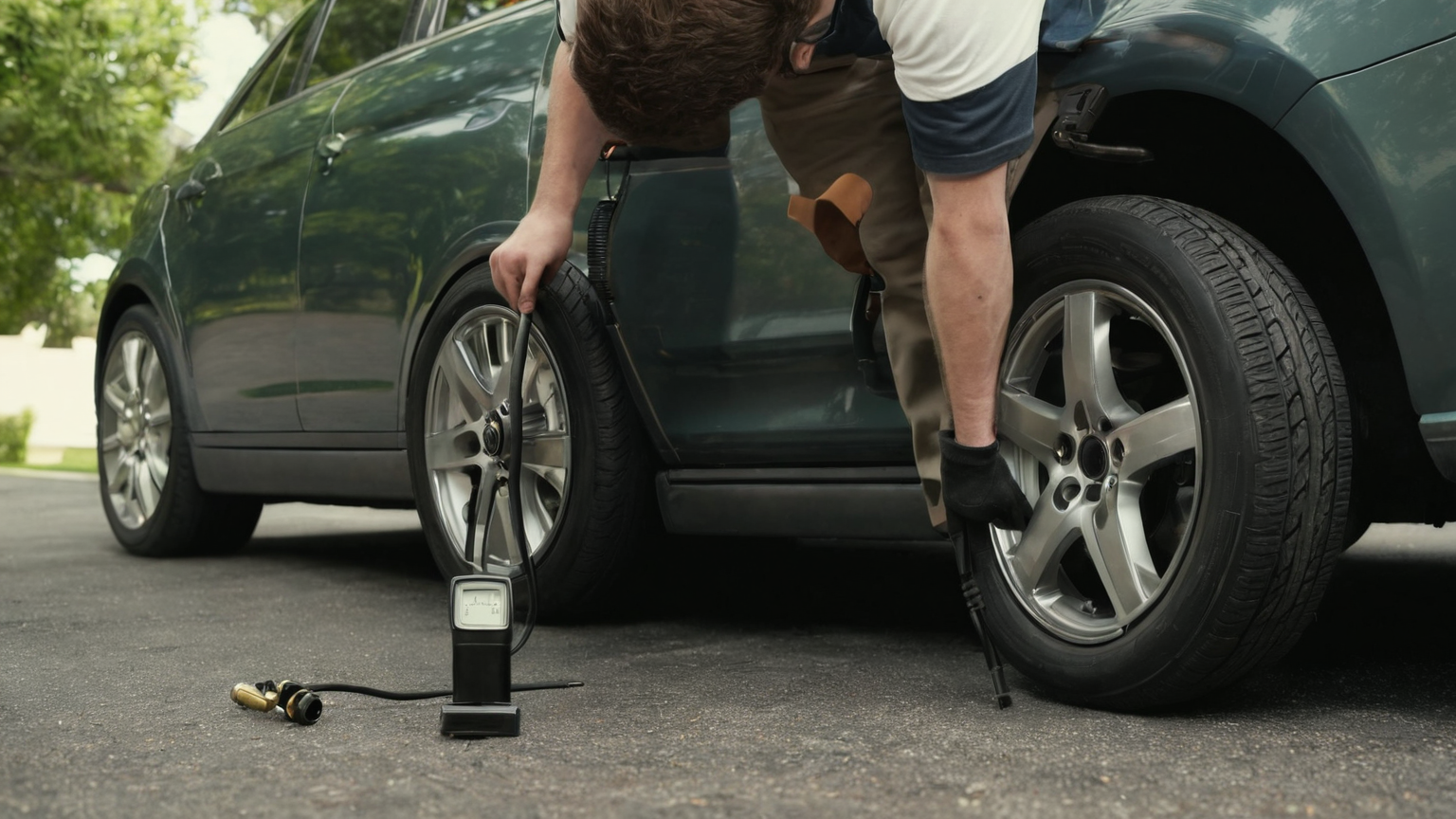
Check cold pressure, not parking-lot pressure
The useful number is usually the vehicle placard or manual recommendation, checked when tires are cold. A hot rest-stop reading can be misleading. Do not set pressure from the tire sidewall maximum unless the manual tells you to. If one tire repeatedly loses pressure, fix the leak instead of topping off forever.
The safest version of this plan is deliberately boring: observe the condition, record the decision point, choose the conservative action, and leave yourself a way to reverse course. For summer tire and road-trip safety, that means not relying on memory, marketing copy, or a single app screen. Use a small written checklist, keep the official source open when facts may have changed, and make the no-go condition explicit before you are tired, hungry, hot, rushed, or under pressure from other people. A good routine should work on an ordinary weekday, not only during a perfect test run.
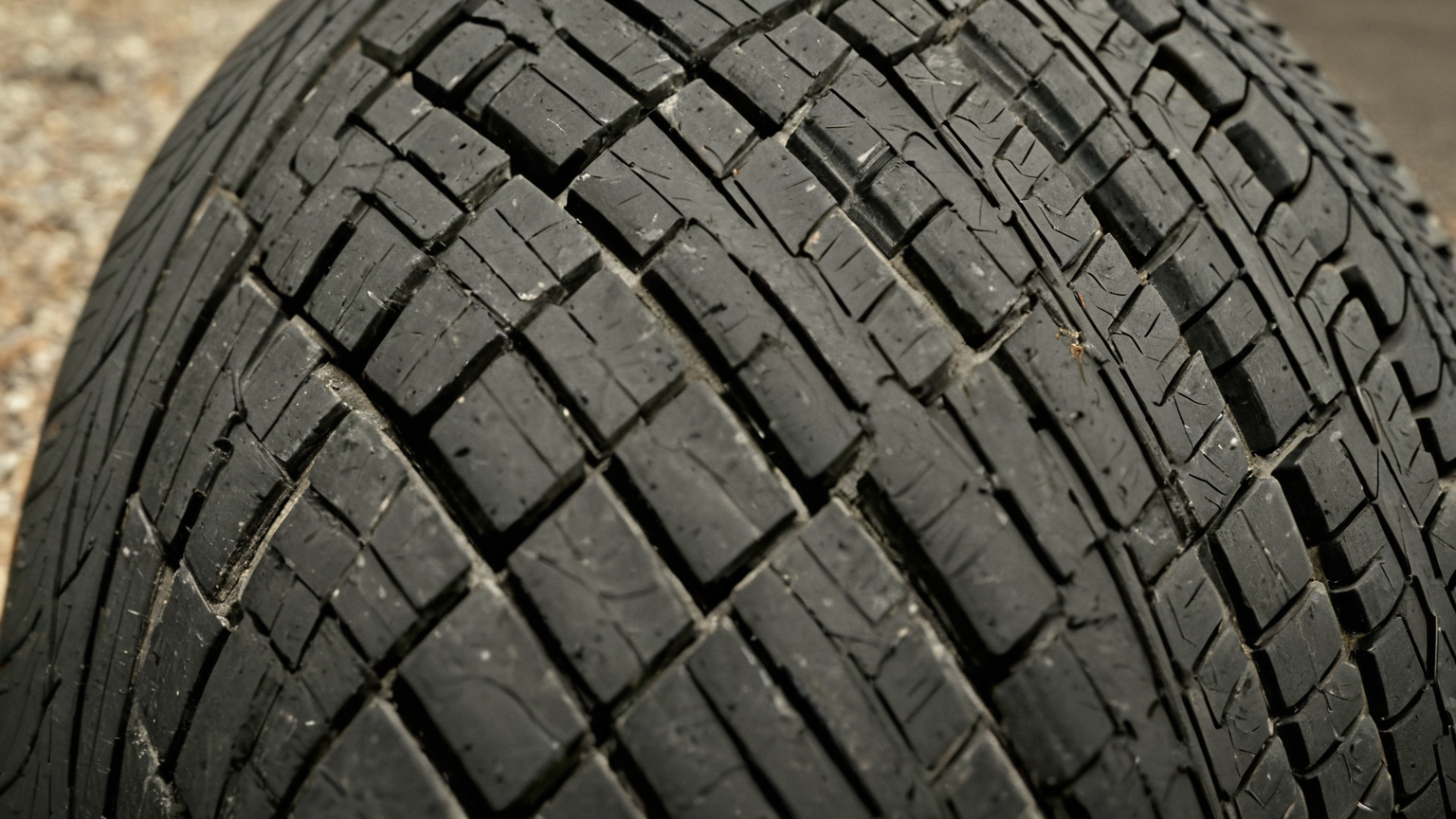
Inspect tread and wear pattern
A simple tread check helps, but uneven wear can matter as much as depth. Look for bald shoulders, cupping, cracks, exposed cords, embedded objects, and sidewall bulges. If the steering wheel vibrates, the car pulls, or tires look uneven, schedule service before the trip rather than discovering the problem at highway speed.
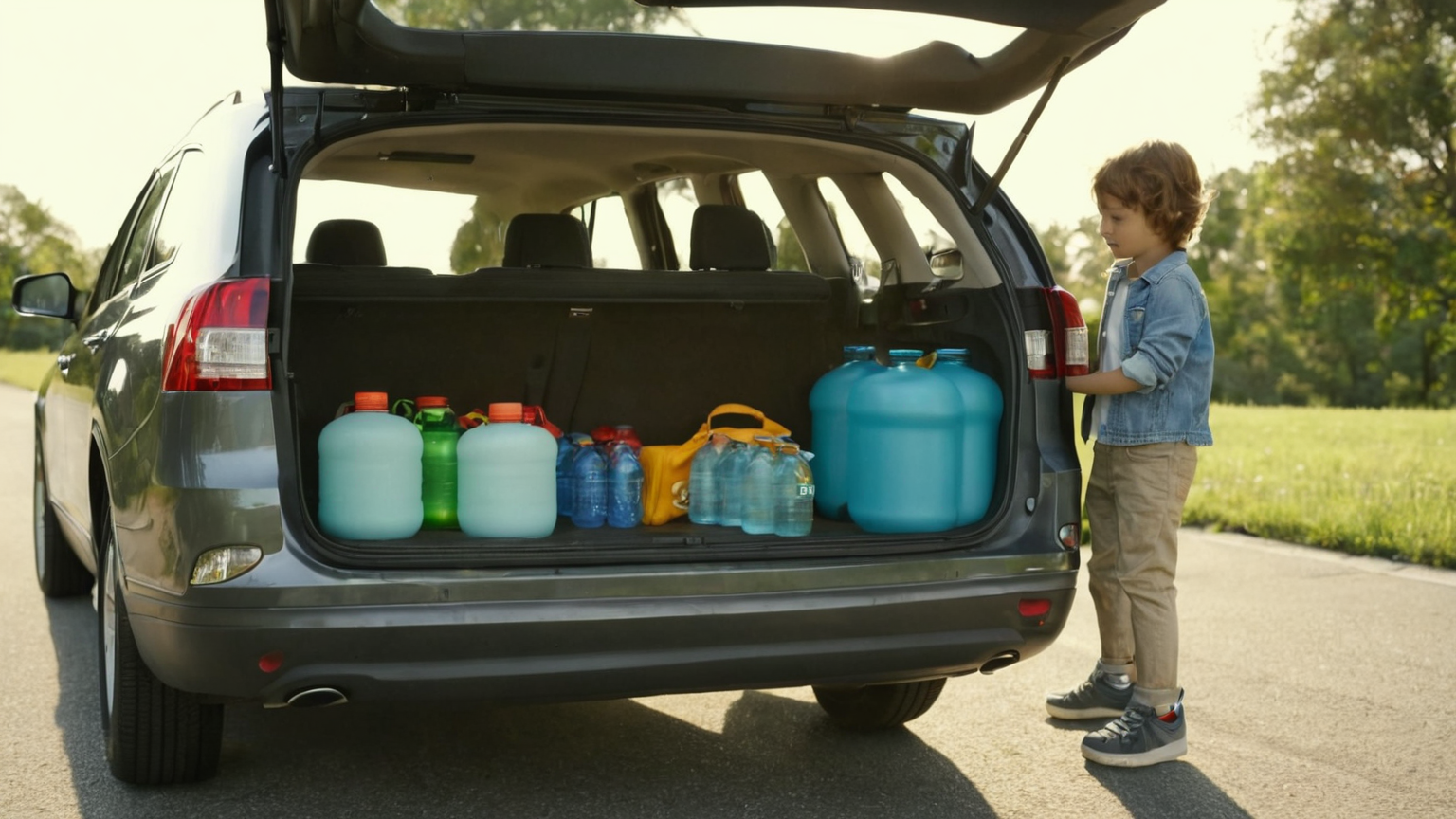
Load the car like handling matters
Cargo changes braking, steering, and tire temperature. Put heavy items low and secure, keep driver visibility clear, and do not exceed ratings. Bikes, roof boxes, trailers, and full passenger loads all add stress. Recheck pressure when towing or carrying unusual loads according to the manual.
Heat and storms change the plan
Hot pavement, long grades, stop-and-go construction, and thunderstorms all reduce margin. Build rest stops into the route, carry water, and avoid pushing through fatigue. If severe weather, flooding, or extreme heat is forecast, change timing or route.
Emergency kit without false confidence
Carry water, phone power, flashlight, reflective triangles, basic first-aid items, and roadside assistance details. If a tire fails on a busy road, prioritize getting away from traffic and calling help over heroic shoulder repairs.
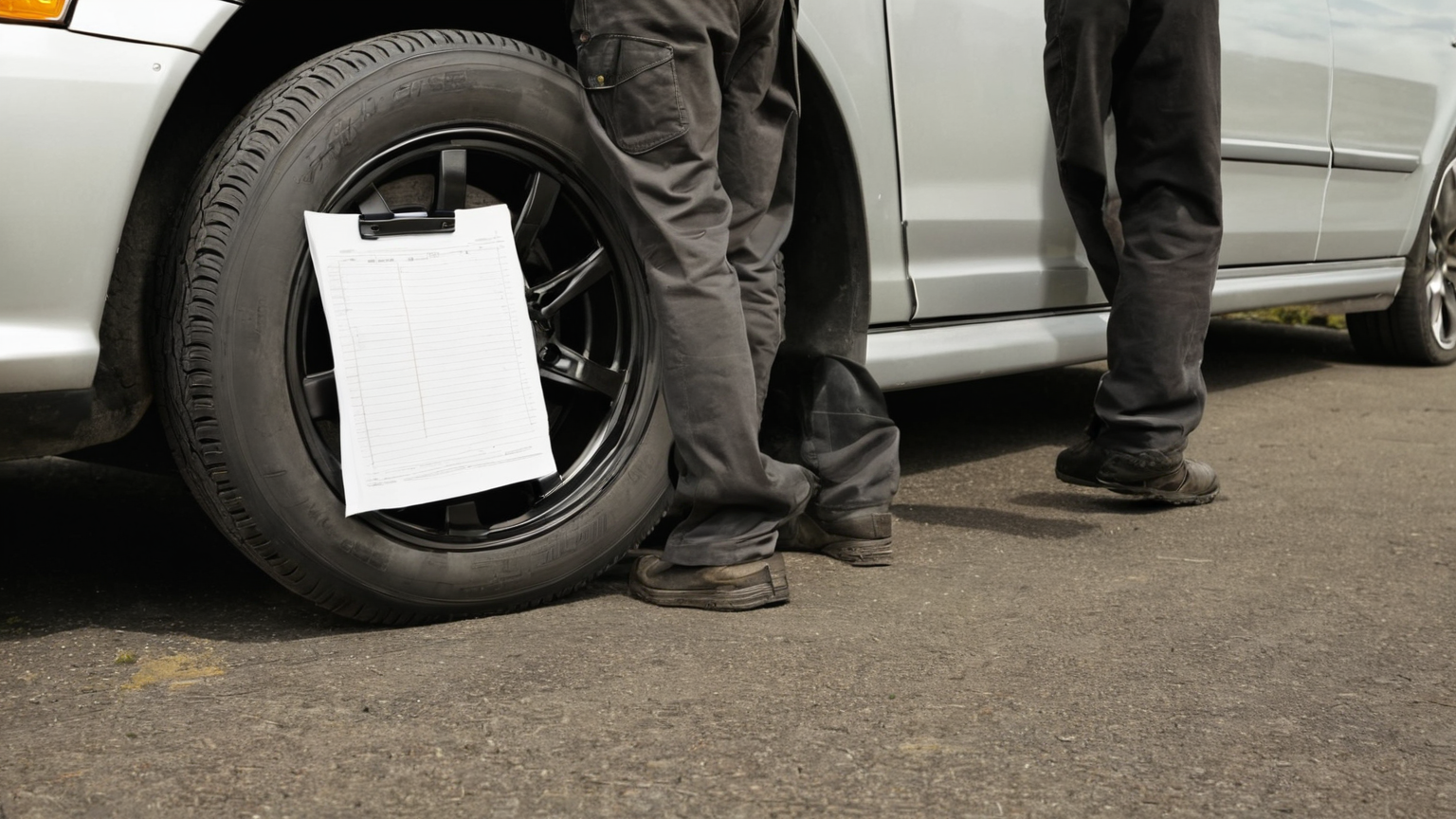
15-minute driveway routine
- Confirm cold pressure for all four tires and spare if equipped.
- Walk around for visible damage, nails, bulges, and low tire stance.
- Check tread and uneven wear.
- Confirm lug nut key, inflator, sealant expiration, or spare tools.
- Load heavy cargo low and secure loose items.
- Save weather and traffic alternates.
- Decide where you will stop if a warning light appears.
Example decision
If a tire shows low pressure twice in one week before a 500-mile trip, do not call it “probably fine.” Have the tire inspected. If the shop finds a repairable puncture, fix it before departure; if not repairable, replace it in matching condition according to professional guidance.
FAQ summary
A summer tire plan is not complicated: cold pressure, tread, damage, load, weather, and a clear stop rule. The mistake is doing it after the car is already hot, packed, and late.