Summer Roadside Emergency Kit: Heat, Tires, Water, and Safe Stops
A driver-focused checklist for roadside heat risk, tire trouble, visibility, passenger safety, emergency contacts, and safer decisions before a summer breakdown.
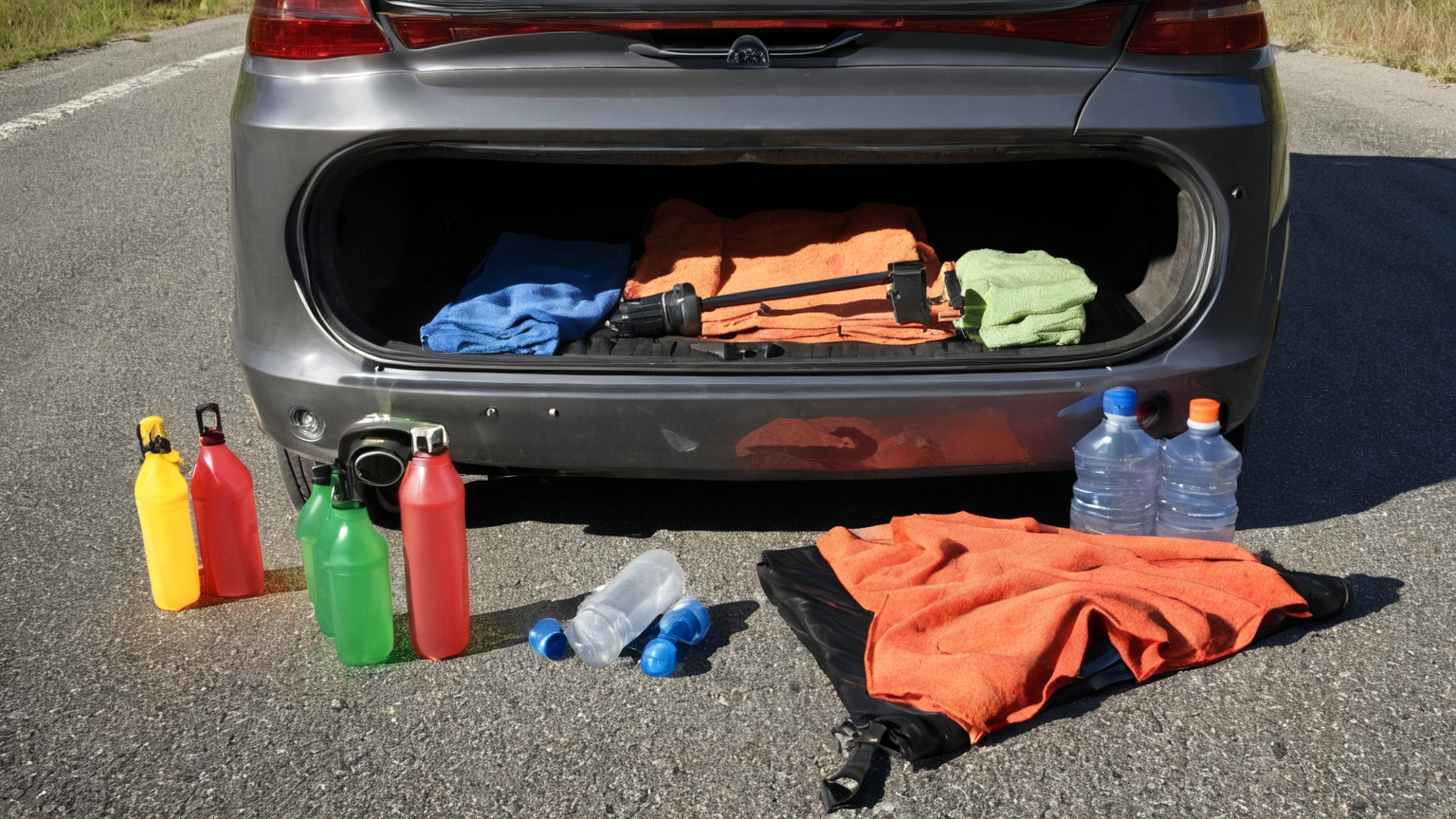
A summer roadside emergency is harder because heat changes the risk. A flat tire, dead battery, or shoulder stop can turn dangerous when pavement is hot, shade is limited, traffic is fast, and passengers are thirsty or overheated. This guide builds a practical kit and decision plan using current official heat and road-safety references checked on 2026-06-06.
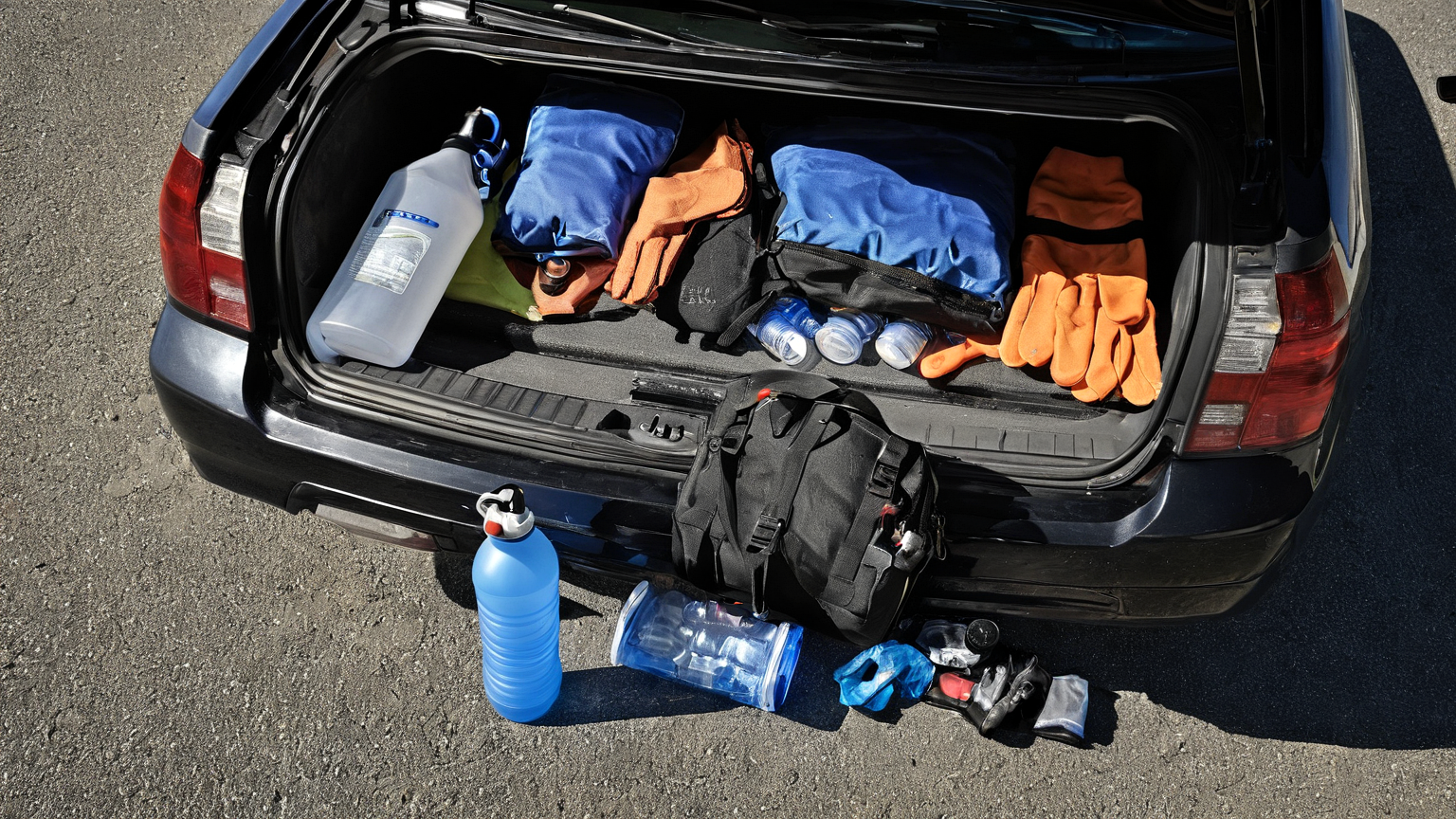
Roadside decision table
| Problem | First priority | Kit item that helps | Common mistake |
|---|---|---|---|
| Flat tire on a fast shoulder | Get visible and decide whether it is safe to exit | Reflective triangles/vest, charged phone | Changing a tire inches from traffic |
| Heat stress while waiting | Cool people before fixing the car | Water, shade plan, light cloth | Saving water for later while symptoms worsen |
| Dead battery | Stay clear of traffic and follow manual steps | Jump pack with instructions | Guessing cable order or touching moving parts |
| Long delay | Communicate location and conserve phone battery | Power bank, written contacts | Relying on a nearly dead phone |
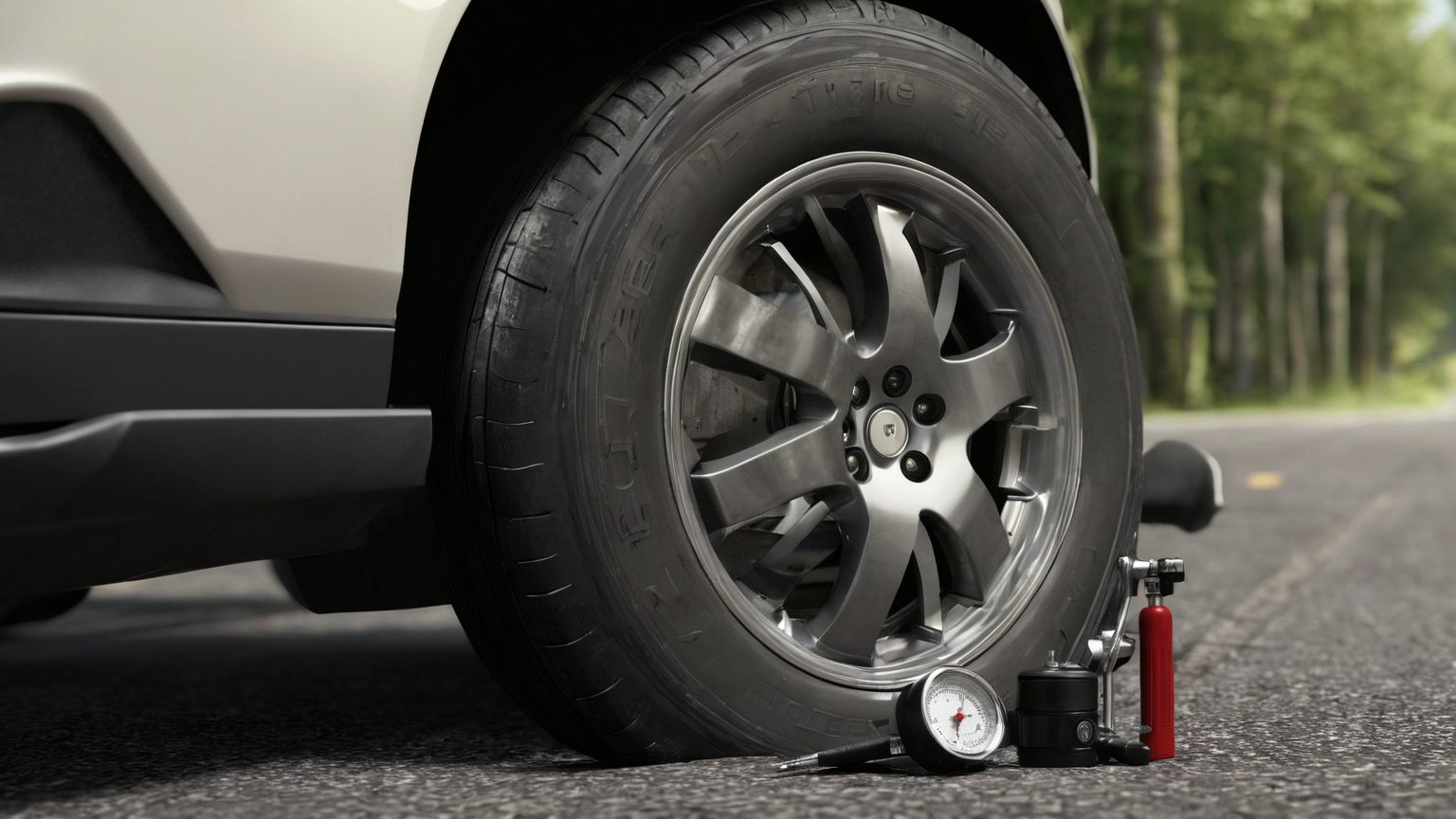
1. Build the kit around people first
A useful summer kit starts with water, sun protection, a charged power bank, reflective visibility gear, and a way to communicate location. Add a flashlight, gloves, a tire-pressure gauge, a basic inflator if appropriate, and any vehicle-specific tools listed in the owner’s manual. Keep the kit reachable; buried gear under luggage is not emergency gear.
For families, include child needs, medications that can safely be stored as directed, and a written emergency contact card. For EVs and hybrids, know the manufacturer’s roadside instructions rather than assuming the same jump-start or towing method as a gasoline vehicle.

2. Decide whether the shoulder is safe before leaving the vehicle
The correct action depends on traffic, visibility, lane position, guardrails, passengers, and heat. If you can move to a safer location, do so carefully. If the vehicle is disabled in a dangerous spot, call for help and follow emergency instructions. Turn on hazards, make the vehicle visible, and do not stand between traffic and the car.
Changing a tire yourself is not the goal; getting everyone away from predictable harm is the goal. A tow or roadside-assistance call is often the safer choice when the shoulder is narrow, traffic is fast, or heat symptoms are starting.
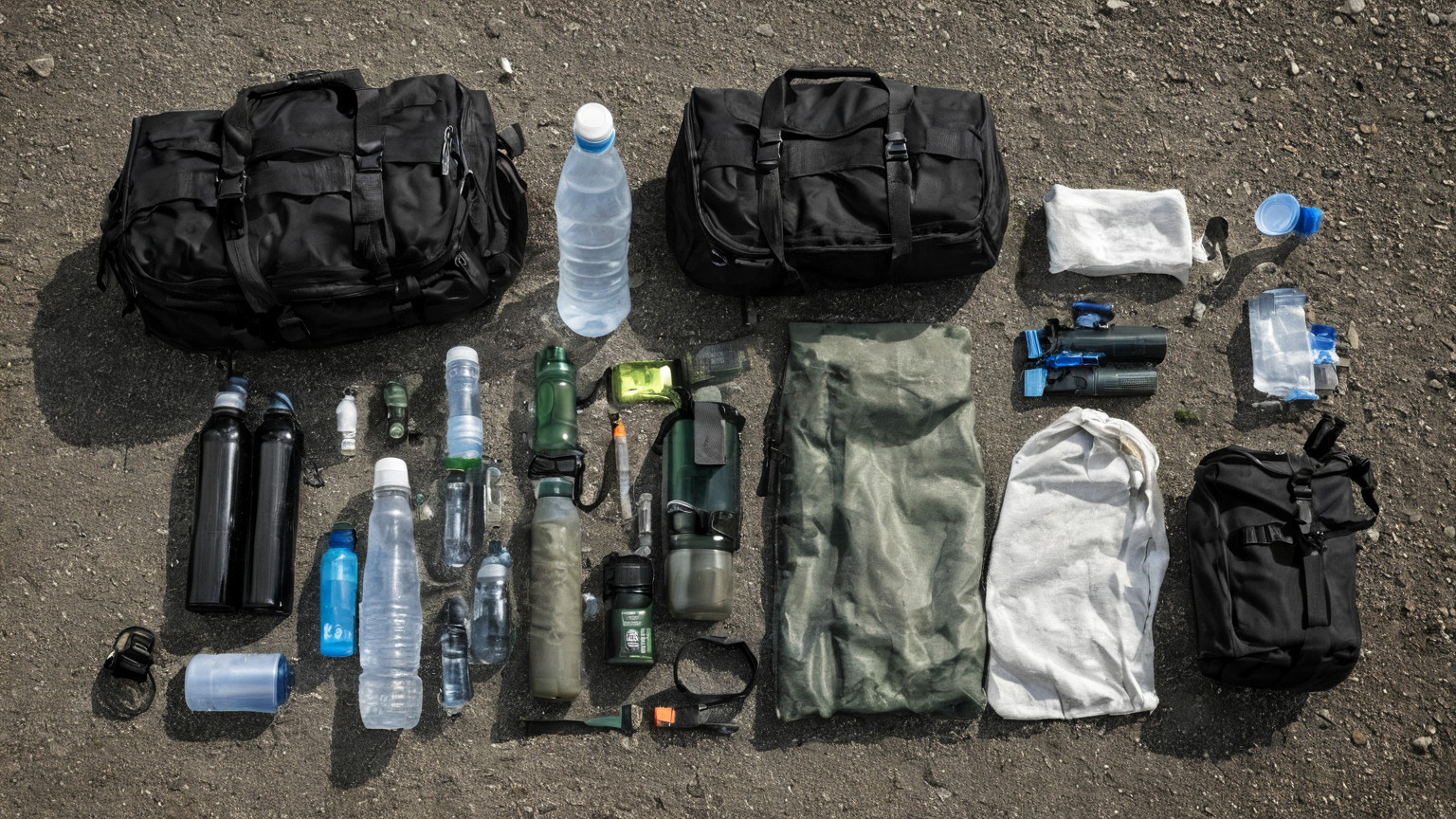
3. Inspect tires before the trip, not after the blowout
Hot pavement and underinflation can worsen tire stress. Check tire pressure when tires are cold, inspect tread and sidewalls, and verify the spare or mobility kit before long drives. If your vehicle uses a sealant kit instead of a spare, learn its limits before the emergency. Replace expired sealant and missing adapters.
Put a monthly reminder on the calendar during summer travel season. It is easier to add air at home than to diagnose a low tire on the shoulder in direct sun.

4. Treat heat symptoms as a roadside hazard
Watch for heavy sweating, weakness, dizziness, confusion, headache, nausea, or worsening thirst. Move people to shade or a cooler place when safe, loosen excess clothing, and seek medical help for severe or persistent symptoms. Never leave children, older adults, pets, or medically vulnerable passengers in a hot vehicle while troubleshooting.
5. AdSense-ready trust signals
The article avoids brand-specific jump-pack claims and does not promise a universal fix. It points readers to manuals and official guidance, uses native text for procedures, and includes a provenance manifest for six GTI13 images. That preserves helpful-content quality while adding a new post.
FAQ
Should I always change my own tire? No. If traffic, heat, visibility, or vehicle design makes the stop unsafe, call roadside assistance or emergency services.
How much water should be in the car? Carry enough for passengers and likely delay length, then rotate it frequently because heat can degrade storage conditions.
Can a jump pack damage a car? Misuse can. Follow the vehicle manual and jump-pack instructions; hybrids and EVs can have different procedures.