Summer Tire Pressure and TPMS: A Road-Trip Check That Prevents Guesswork
A 2026 driver checklist for tire pressure, TPMS lights, heat, loading, tread, spares, and when to stop before a road trip.
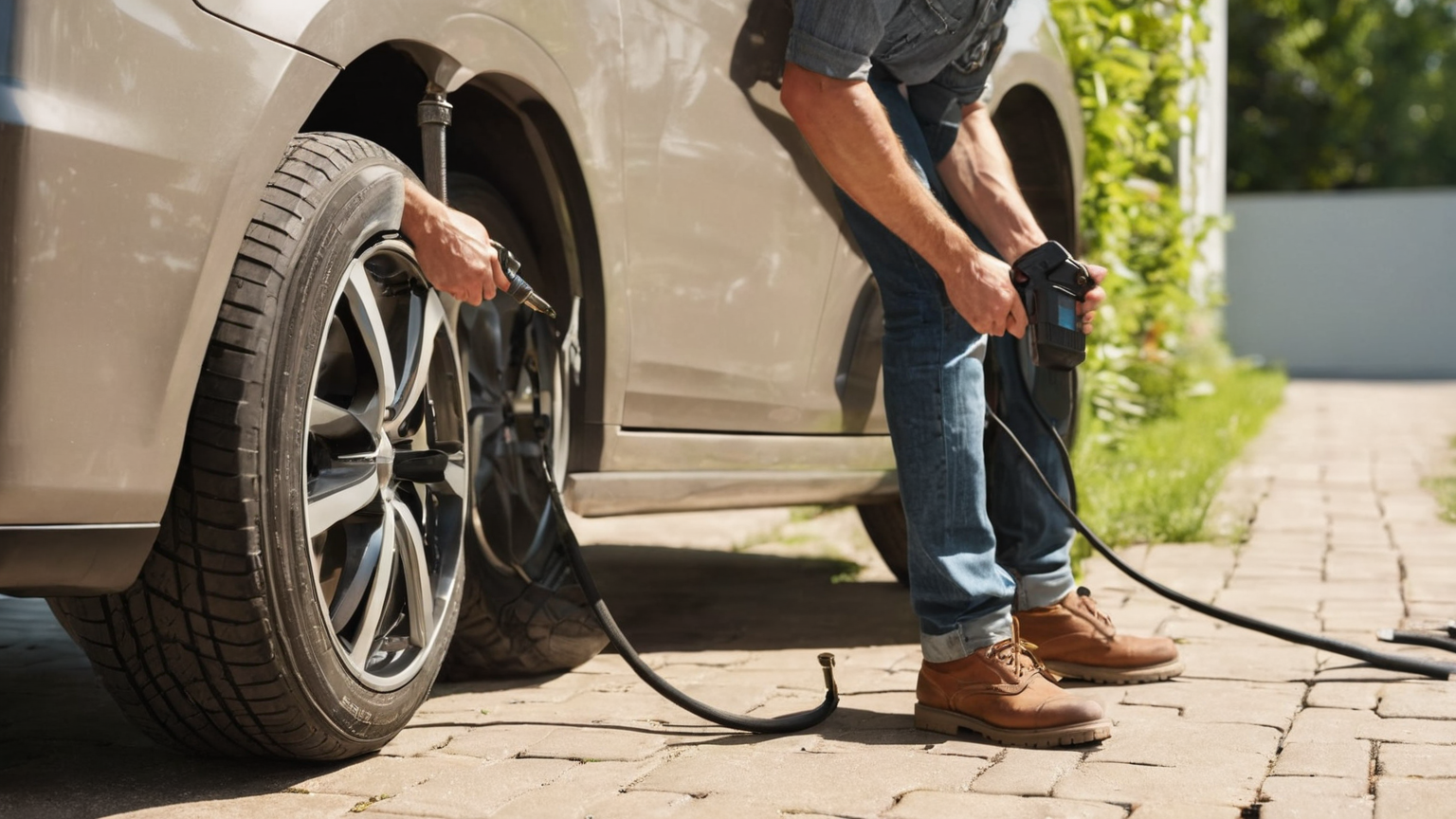
A tire-pressure check is one of the cheapest road-trip safety habits, but it is easy to do badly. Drivers check hot tires, chase the number molded on the sidewall, ignore the spare, overload the trunk, or treat a TPMS light as a suggestion. This May 30, 2026 guide uses Ready.gov, National Weather Service, FHWA, and NHTSA references to build a practical summer routine. Some federal vehicle pages block automated retrieval from this environment; use the official page or owner’s manual for your exact vehicle.
The road-trip tire table
| Check | Best timing | What it tells you |
|---|---|---|
| Cold tire pressure | Before driving far | Whether tires match the vehicle placard |
| TPMS light | Any time it appears | A warning that needs inspection, not guessing |
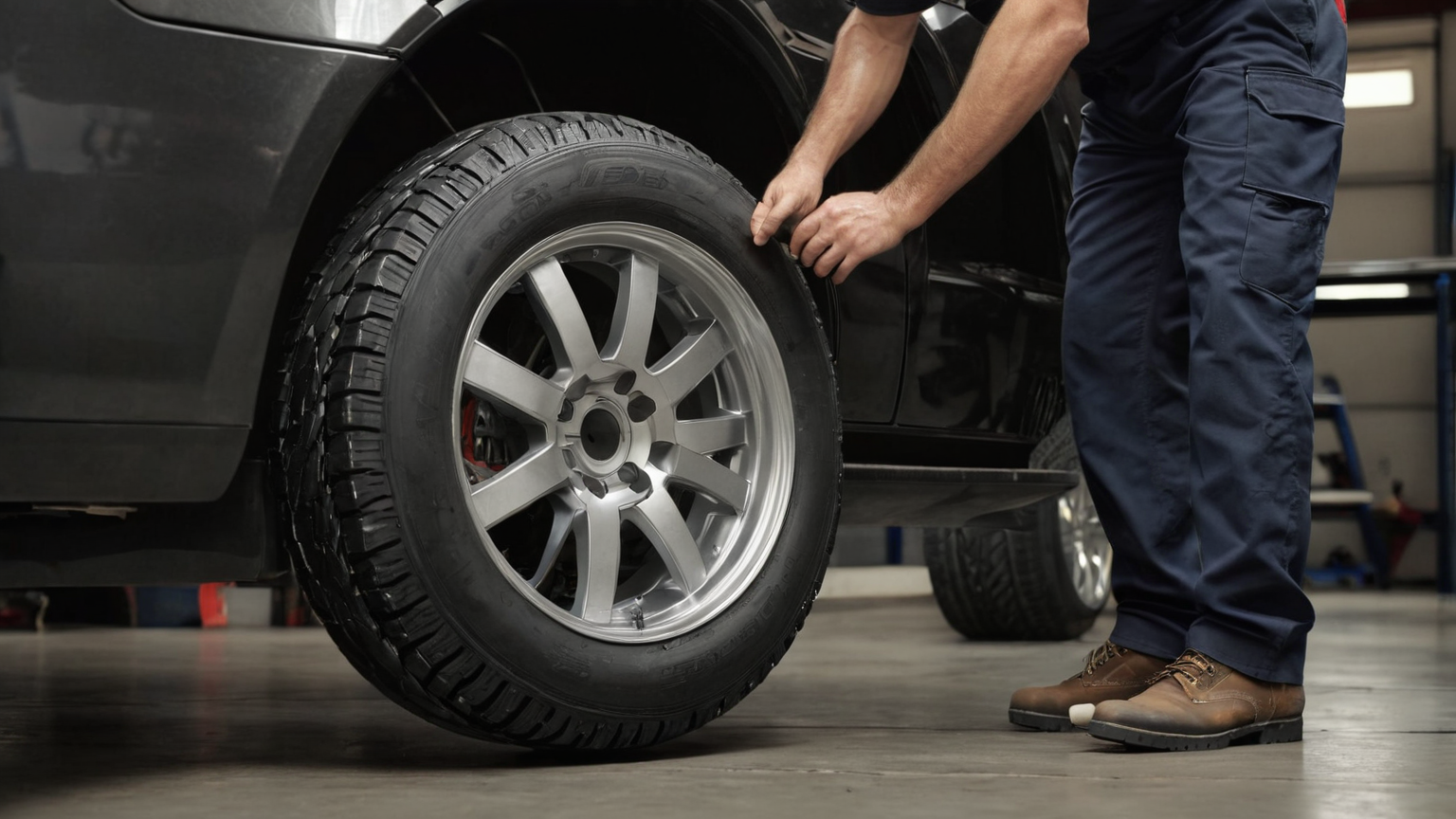
| Tread and sidewall | Before packing | Wear, cuts, bulges, or embedded objects |
| Load | Before departure | Whether cargo is stressing tires and handling |
| Spare/inflator | Before remote travel | Whether your backup plan actually exists |
Use the vehicle placard, not the sidewall number
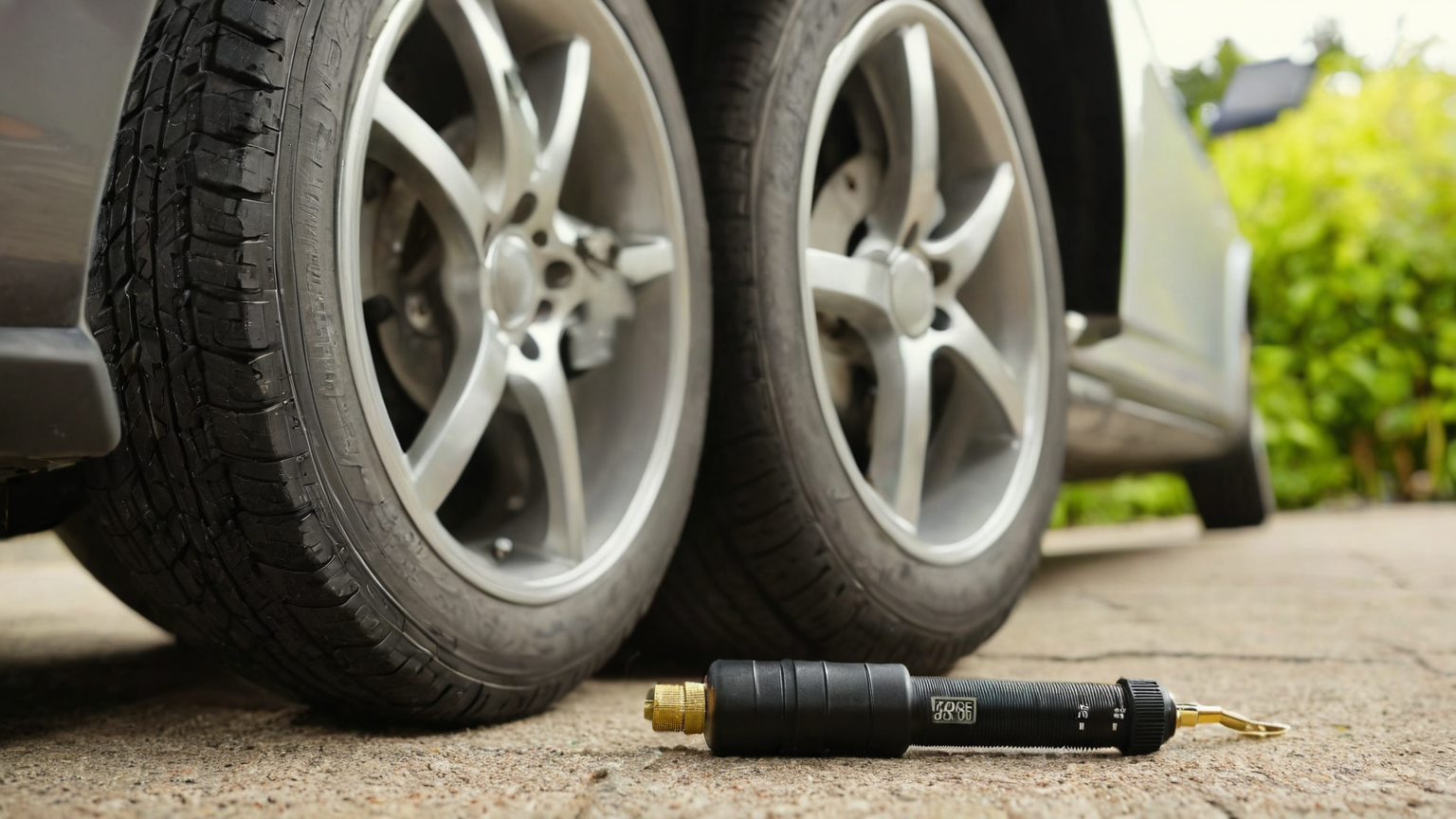
The tire sidewall shows tire information, but routine inflation targets usually come from the vehicle placard or owner’s manual. Check when tires are cold, because driving heats tires and changes readings. If one tire repeatedly loses pressure, do not keep topping it off without finding the cause. A slow leak on Friday becomes a dangerous shoulder stop on Sunday.
TPMS is a warning, not a full inspection
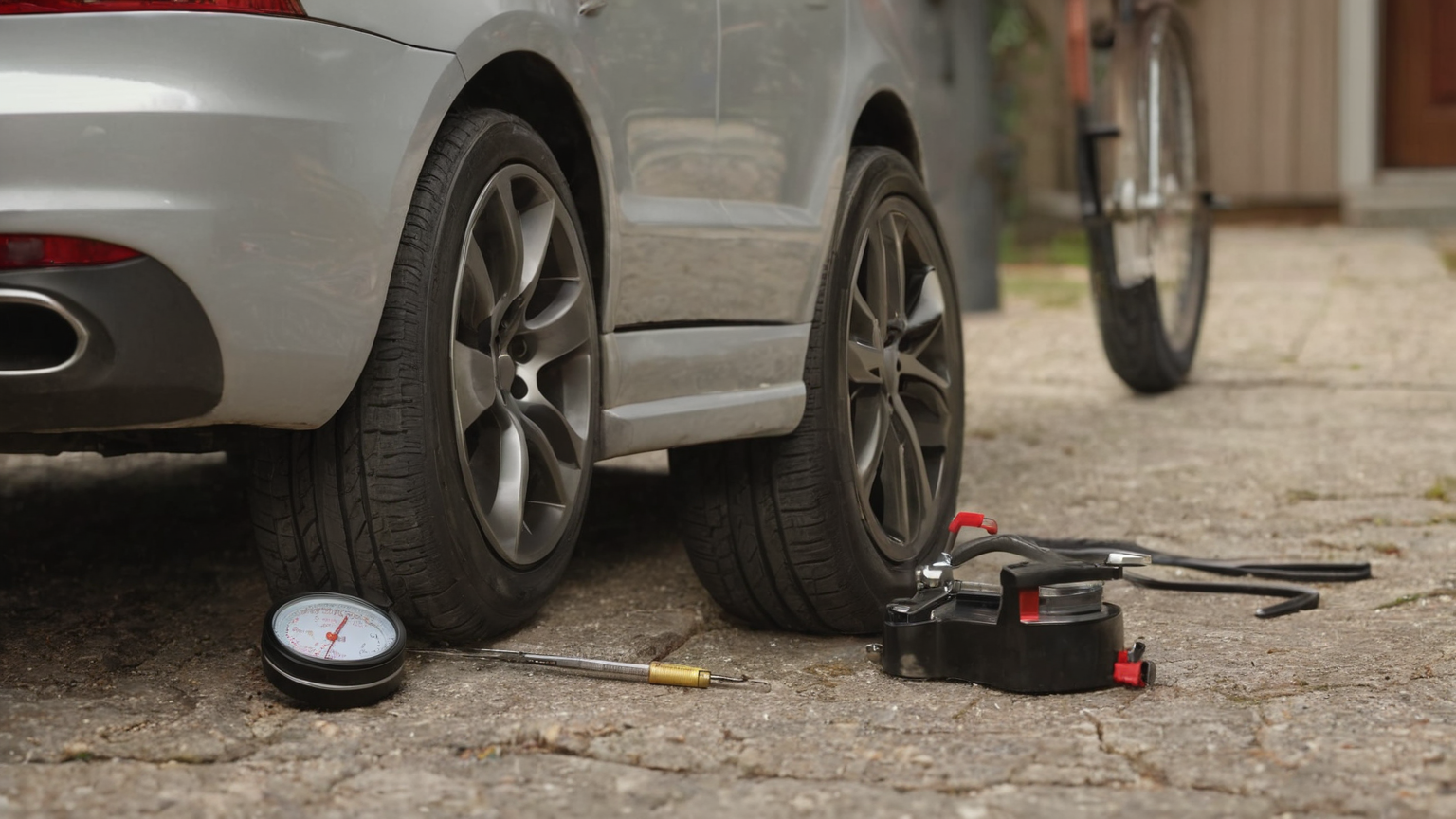
A TPMS light is valuable, but it does not replace looking at tires. Sensors may not tell you about uneven tread, sidewall damage, overloaded cargo, old tires, or a spare with no air. If the light turns on during a trip, slow down safely, inspect when parked, and avoid high-speed driving until you understand the problem.
Heat and load make small problems bigger
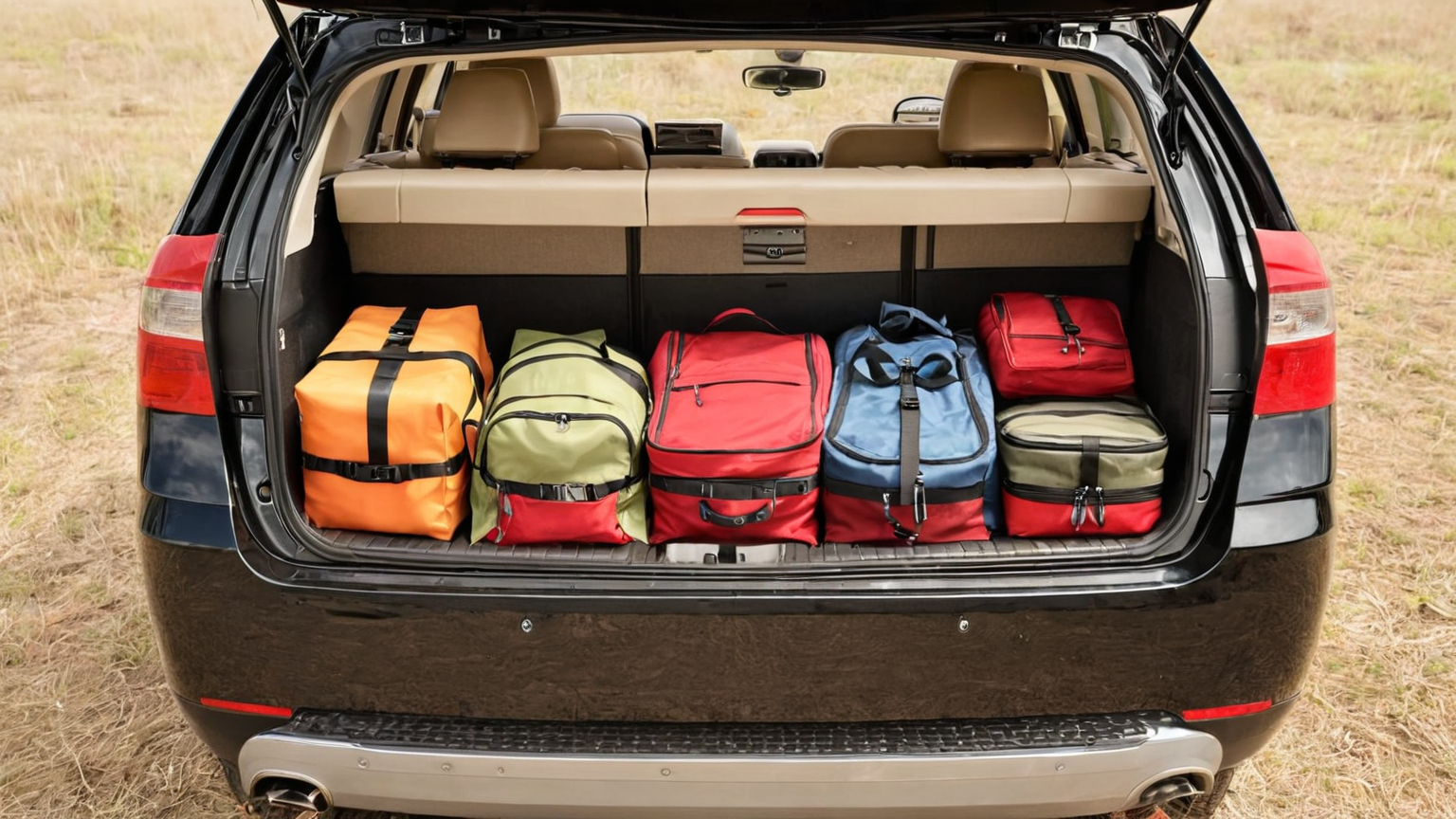
Hot pavement, long distances, heavy luggage, roof boxes, and high speeds increase stress. Pack heavy items low, avoid exceeding vehicle load limits, and leave time for stops. If the car feels unstable, vibrates, pulls, or smells hot, treat it as a stop-and-check signal, not an annoyance.
What to carry
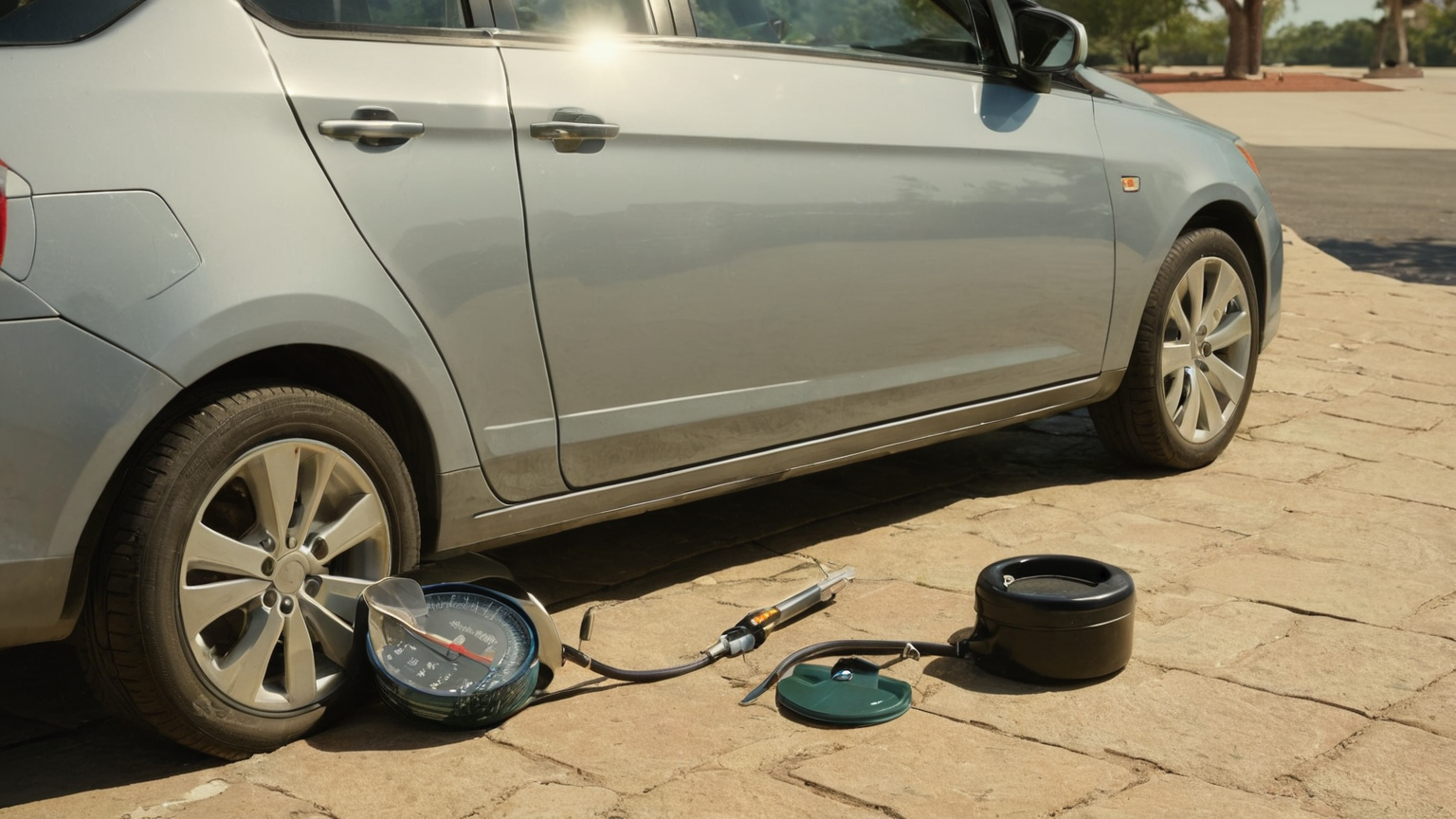
Keep a pressure gauge, working inflator or roadside plan, flashlight, reflective gear, water, and phone power. Drivers who cannot safely change a tire still benefit from knowing where the spare, sealant, wheel lock, or tow plan is located. A plan you understand beats a tool you have never tested.
Stop immediately for these signs
Pull over safely for a loud tire noise, sudden vibration, steering pull, visible bulge, smoking tire area, shredded rubber smell, or rapidly dropping pressure warning. Do not inspect beside fast traffic if there is a safer exit or service area nearby. Visibility and distance from moving vehicles come first.
Monthly checklist
- Check cold pressure on all four tires.
- Inspect tread and sidewalls.
- Confirm the spare or inflator plan.
- Test the pressure gauge.
- Recheck before long trips or heavy loads.
- Treat TPMS warnings as real until inspected.
- Update the emergency kit for heat and storms.
FAQ
Should I lower pressure on hot days?
Do not improvise based on weather alone. Use the cold-pressure specification and owner guidance.
Is nitrogen necessary?
Most drivers benefit more from regular checks than from debating gas type.
Bottom line
Check cold pressure, respect TPMS, inspect the tire you can see, and pack so the vehicle is not fighting extra heat and load.