Tire Pressure Monitor Tested — Built-in TPMS vs Aftermarket Comparison
Tire pressure monitoring systems: built-in TPMS, aftermarket Bluetooth sensors, and proper inflation for safety and fuel economy.
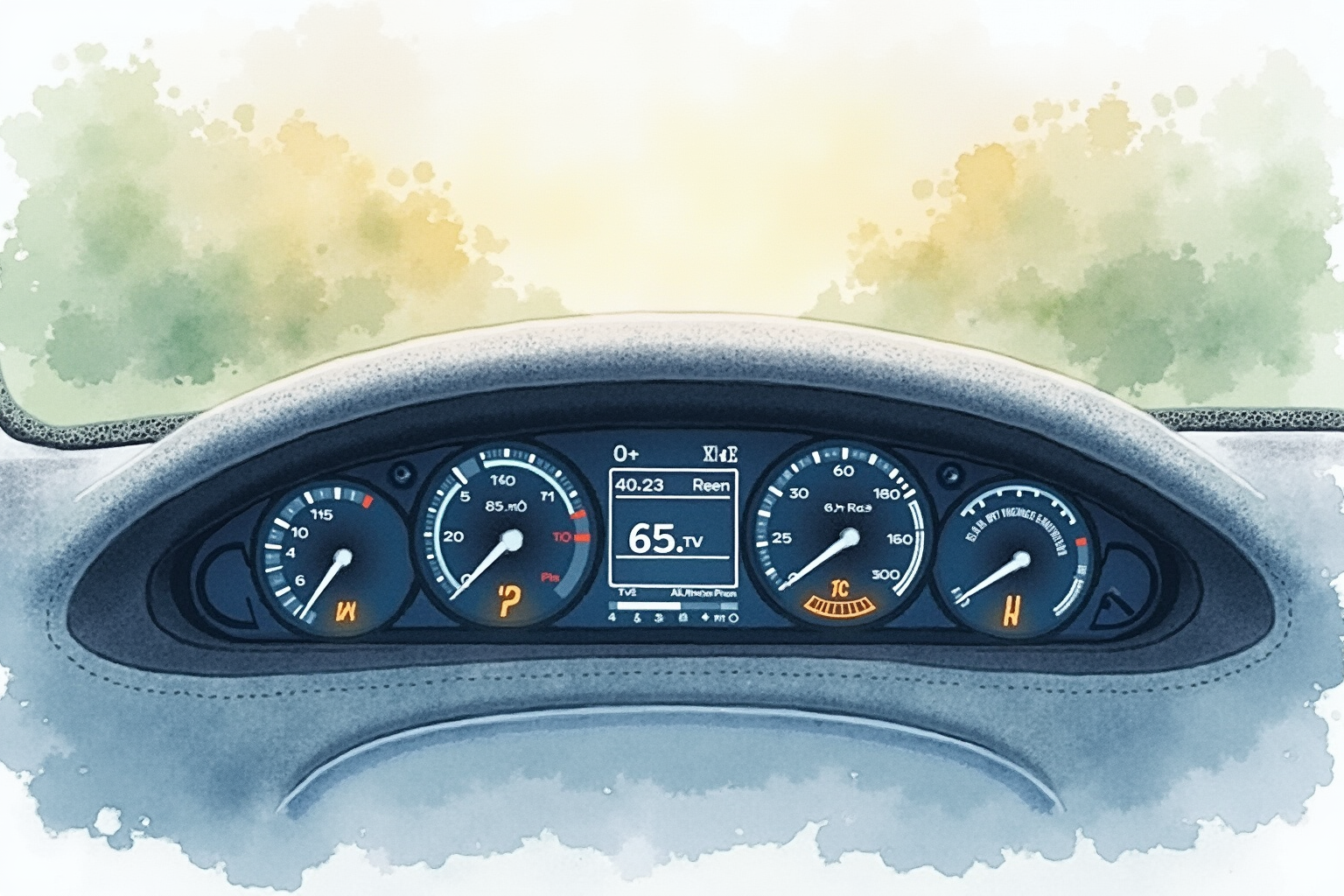
Tire pressure has outsized impact on vehicle safety, fuel economy, and tire life. Per NHTSA data, underinflated tires contribute to thousands of accidents annually. Federal regulation has required Tire Pressure Monitoring Systems (TPMS) on all new vehicles since 2008, making aftermarket monitoring largely unnecessary for newer vehicles. The remaining questions are about manual verification, gauge quality, and proper pressure settings.
This article uses NHTSA regulations, Consumer Reports testing, Wirecutter gauge reviews, and DOE fuel economy data to evaluate tire pressure monitoring. Topics include built-in TPMS reliability, aftermarket options for older vehicles, manual gauge selection, and pressure setting best practices.
For complementary content, see OBD2 scanner guide and emergency roadside kit.
Built-in TPMS overview
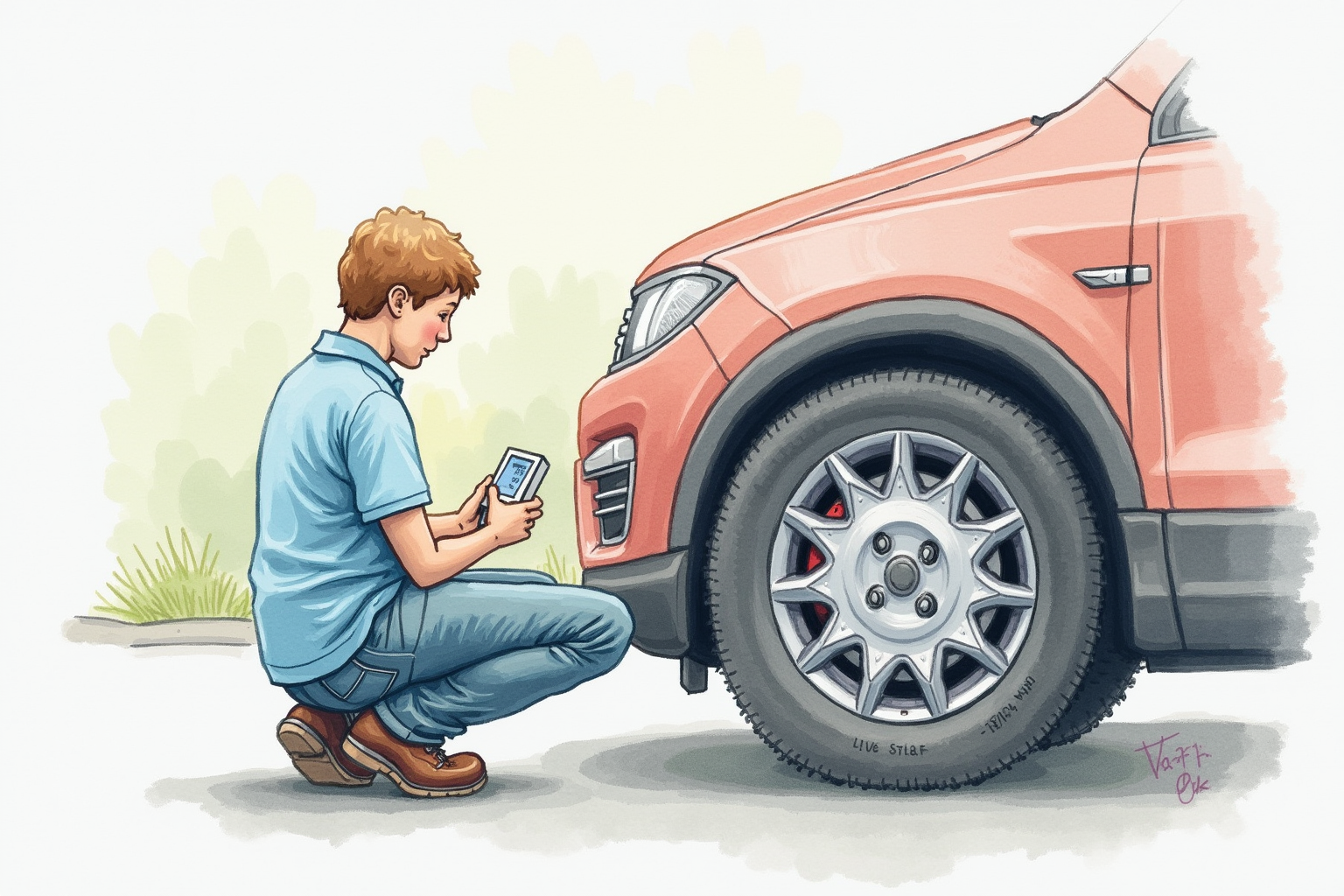
Per NHTSA regulations (Federal Motor Vehicle Safety Standard 138), all U.S. vehicles 2008+ must have TPMS. Two systems are used:
Direct TPMS: pressure sensors in each tire valve stem transmit pressure readings to vehicle. Most accurate. Used in most modern vehicles.
Indirect TPMS: uses ABS wheel speed sensors to detect underinflation indirectly (low tire rotates faster than properly inflated). Less accurate, less common in newer vehicles.
Both systems alert driver when tire pressure drops 25% below recommended. This is a significant drop — by the time TPMS warns you, you’ve already had reduced fuel economy and accelerated tire wear for some time.
TPMS sensor lifespan
Direct TPMS sensors contain batteries that last 5-7 years typically. When sensors fail:
- TPMS warning light comes on (may be intermittent)
- Vehicle can’t display individual tire pressures
- Replacement cost: $75-200 per sensor at tire shop ($300-800 for all four)
- DIY possible if comfortable removing/remounting tires
Plan for sensor replacement at 5-7 year mark or when batteries fail. Many car owners replace one or two and ignore others until all fail.
Manual pressure verification
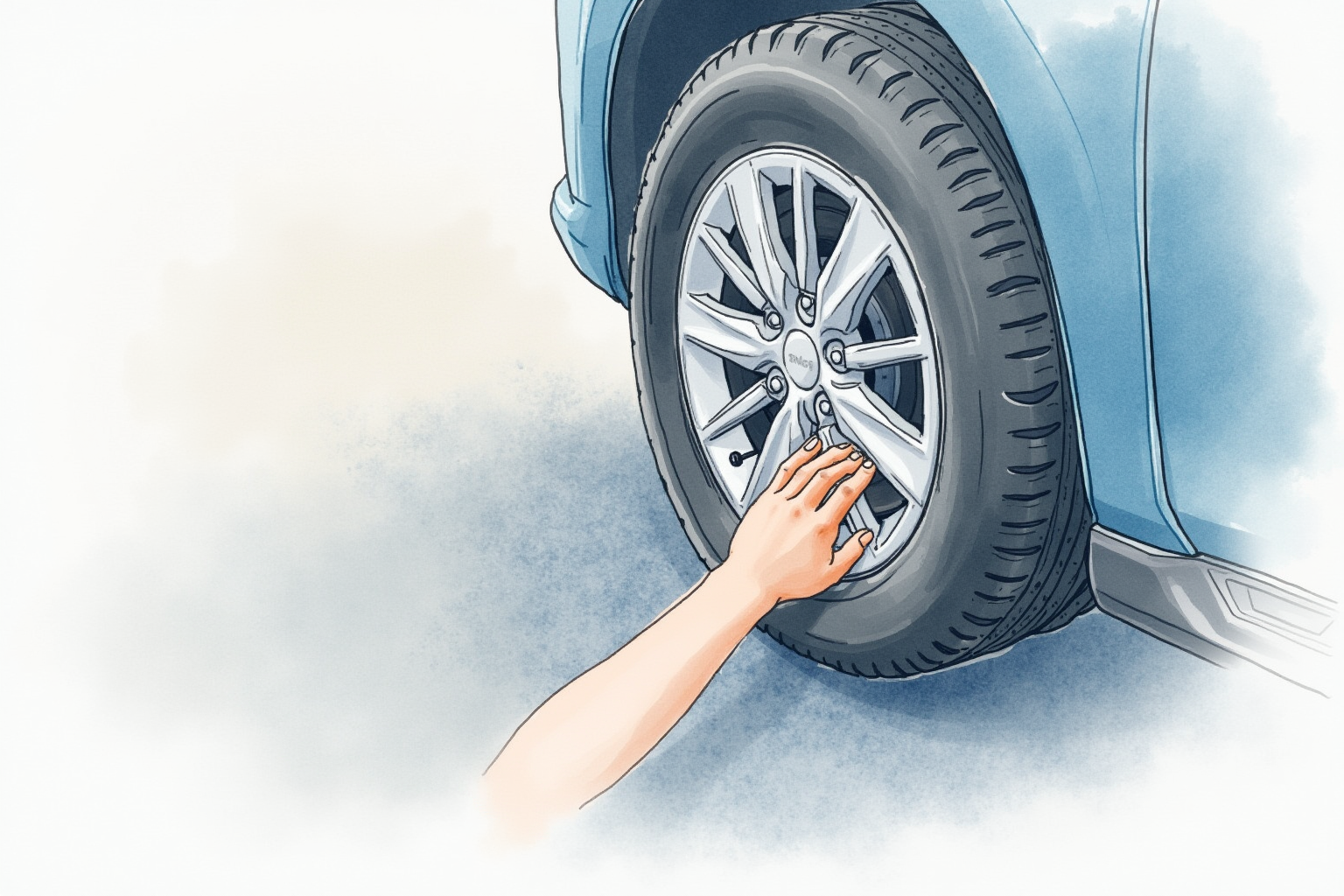
Despite built-in TPMS, manual pressure checks remain important because:
TPMS only alerts at 25% underinflation. Tires can lose 3-5 PSI gradually without TPMS warning, reducing fuel economy and tire life.
TPMS reads pressure but doesn’t tell you whether to add or release air to reach proper level.
Quality manual gauge ($10-15) is highly accurate; built-in TPMS readings can be off by 1-2 PSI.
Accutire MS-4021B Digital Tire Pressure Gauge
Price · $10-15
+ Pros
- · Digital display accurate to 0.5 PSI
- · Built-in flashlight
- · Auto shut-off saves battery
- · Lifetime warranty (Accutire)
− Cons
- · Battery replacement required every 1-2 years
- · Less rugged than premium analog gauges
- · Plastic build
Per Wirecutter long-term testing, Accutire MS-4021B is the consistent recommendation. Digital readout, accurate, durable enough for occasional use, affordable.
Premium alternatives:
- Joes Racing 32-307 ($40-50): analog dial, professional racing standard, very accurate
- Milton S-921 ($20-30): heavy-duty industrial design
Pressure check procedure
Best practice for accurate readings:
Check tires when cold (parked 2+ hours, or first thing in morning). Driving heats tires and increases pressure 4-8 PSI.
Find recommended PSI on door jamb sticker (driver-side door frame). Not on tire sidewall (that’s maximum, not recommended).
Remove valve cap. Press gauge firmly onto valve stem.
Add or release air to reach target. Stop in middle of “OK” range, not edge.
Replace valve cap to keep dirt out and reduce slow leaks.
Verify with second check after a few minutes.
When aftermarket TPMS makes sense
For most modern vehicle owners, aftermarket TPMS is unnecessary. Specific scenarios where it adds value:
FOBO Bluetooth Tire Monitor TPMS — 4 Wheels
Price · $200-260
+ Pros
- · Works with any vehicle (pre-2008 or specialty)
- · Smartphone app interface
- · Compact valve stem replacement design
- · 5-7 year battery life claimed
− Cons
- · Premium pricing for what TPMS provides
- · Phone must be running app for alerts
- · Initial pairing setup required
Pre-2008 vehicles: lacking built-in TPMS, aftermarket adds modern monitoring.
Trailers and RVs: tow vehicle TPMS doesn’t monitor trailer tires. Trailer blowouts can cause significant damage to towed vehicle.
Motorcycles: many bikes have no OEM TPMS. Aftermarket Bluetooth TPMS adds safety.
Commercial vehicles, fleet management: centralized monitoring of multiple tires across vehicles.
Performance/track use: enthusiasts wanting tire temperature data alongside pressure.
For passenger cars 2008+, the built-in TPMS plus monthly manual checks covers safety. Aftermarket TPMS is overkill for typical use.
Common pressure mistakes
Setting to sidewall maximum: tire sidewall says “Max 51 PSI” — this is the maximum the tire can hold safely, not the recommended pressure for your vehicle. Recommended pressure is on door jamb sticker.
Bleeding off warm pressure: tire pressure rises 4-8 PSI from cold to warm. Don’t release air to reach cold target when tires are warm. Re-check when cold and adjust.
Forgetting spare tire: spare tires lose pressure over time and may be flat when you need them. Check spare quarterly.
Trusting gas station gauges: free gas station gauges are often inaccurate by 5-10 PSI. Use your own quality gauge for reliable readings.
Ignoring TPMS warnings: low-pressure warning is sometimes brief and disappears when warm. Don’t ignore — check pressures when convenient.
Temperature impact
Pressure changes ~1-2 PSI per 10°F. Practical implications:
Fall/winter: cool weather drops pressures. TPMS lights commonly come on overnight when temps drop. Check and adjust at start of cold season.
Summer high temps: pressures rise. Don’t release air to compensate — re-set during cool morning.
Mountain driving: significant elevation changes affect pressure. Check after long climbs or descents.
Garage to outdoor temperature shift: tires warmed in heated garage will lose pressure once outside in cold. Check after vehicle has been outside 30+ minutes.
Recommended workflow
For typical passenger car owners with 2008+ vehicle:
Monthly: check all four tire pressures with quality gauge. Adjust to door jamb recommended. Note: pressure tends to drop 1-2 PSI per month in normal use; faster if tire has slow leak.
Quarterly: check spare tire pressure.
Seasonal: re-verify pressures at start of fall (cooler) and summer (hotter).
Long trips: check before departure (cold tires). Especially important for loaded vehicles or trailer towing.
Sensor failure: when TPMS light comes on persistently, get sensors checked at tire shop. Replace at 5-7 year mark proactively.
Bottom line
For most modern vehicle owners, the strategy is:
Rely on built-in TPMS for warnings of major underinflation. Verify monthly with quality manual gauge (Accutire MS-4021B at $10-15). Set to door jamb recommended PSI, cold tires. Replace TPMS sensors at 5-7 year mark.
Skip aftermarket TPMS unless you have pre-2008 vehicle, trailer/RV, motorcycle, or specialty application.
Tire pressure is among the highest-ROI vehicle maintenance items. Monthly 5-minute check saves measurably on fuel, extends tire life by 10-30%, and reduces accident risk from blowouts.
For complementary reading, see OBD2 scanner guide, emergency roadside kit, and the car safety category.