Used Car Pre-Purchase Inspection — The 60-Point Checklist Mechanics Actually Use
AAA-recommended inspection points, RepairPal mechanic survey data, and the actual 60-point checklist that catches problems before purchase. What to ask, what to test.
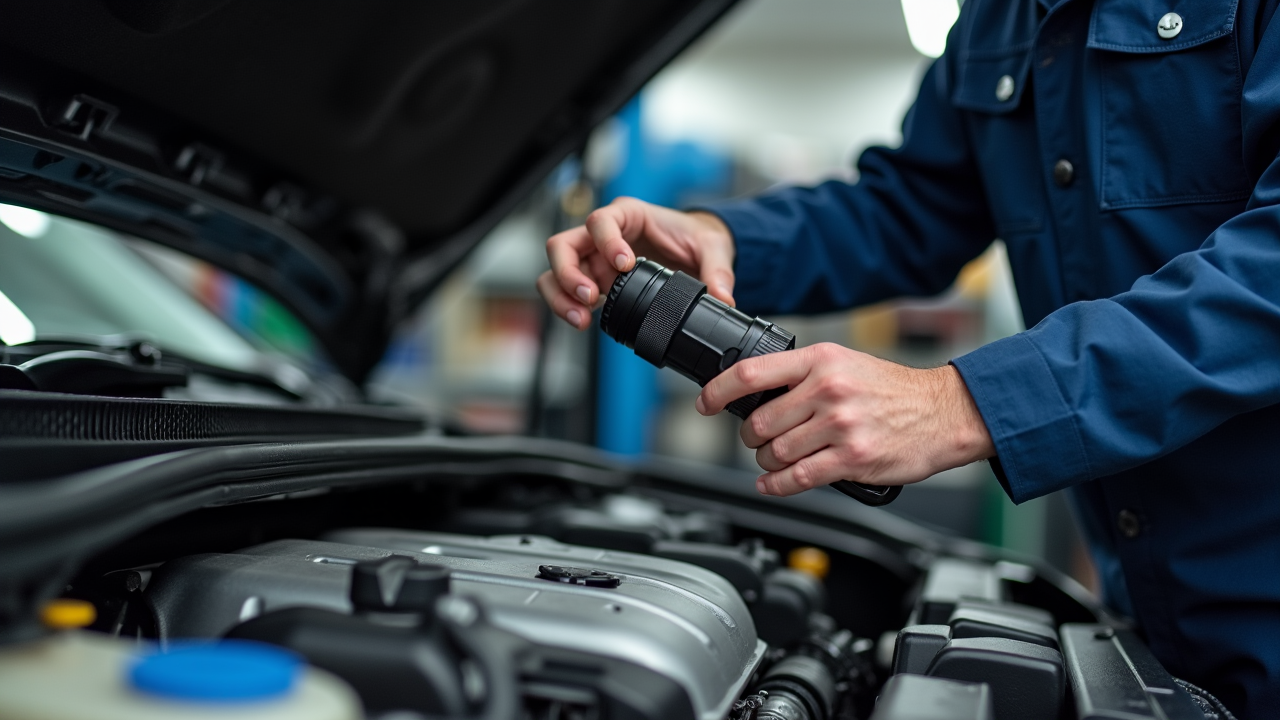
The single highest-ROI step in used car buying is the pre-purchase inspection (PPI). AAA, Consumer Reports, the FTC, and every reputable used-car publication agree: spending $100-200 on a competent independent inspection prevents thousands in surprises. This article walks through the full 60-point checklist that ASE-certified mechanics actually use, what each item is testing for, and what specific findings should change the deal terms or send you walking.
The companion posts cover specific vehicles (2018-2022 Camry, 2018-2022 Civic, best used SUVs under $25K). This post covers the inspection process itself — applicable to any used car.
Why PPI matters (the data)
Carfax’s own data: roughly 40% of used cars have undisclosed repair history. Of those, the most common issues that PPI catches:
- Prior collision repair not reported to insurance (~15% of used cars per AAA estimates)
- Mechanical wear approaching service intervals (~25%)
- Cosmetic damage from spilled fluids, neglect, smoking (~10%)
- VIN-attached recalls not addressed (~5%)
- Title/odometer discrepancies (~1-2%)
The math: a $150 PPI catches issues averaging $1,800-3,500 in repair costs (per RepairPal mechanic survey of issues identified during PPI). Expected value is overwhelmingly positive.
Step 1 — vehicle history (before PPI)
Before driving the car to a shop, run the history. Both reports together cost ~$80; sometimes free if the dealer or seller provides one.
Carfax
Pull a Carfax. Verify:
- Title status — should read “Clear” (not Salvage, Rebuilt, Flood, Hail)
- Odometer continuity — readings should increase logically across registrations
- Accident history — none, or minor + repaired
- Service records — regular intervals (oil every 5-10K miles)
- Number of owners — fewer is generally better, but 3-4 owners over 8 years is normal
- Lease/fleet history — fleet cars (rental, corporate) typically have higher mileage but documented service
AutoCheck
Run a parallel AutoCheck (Experian). The reports use different data sources and sometimes catch different events. AutoCheck includes auction history that Carfax often misses — useful for spotting cars that bounced through dealer auctions.
NHTSA recall lookup
Free at nhtsa.gov/recalls. Enter VIN, see all open recalls. Verify whether each has been addressed (dealer fixes are reported here).
If history reports show problems, decide: walk away, or proceed but discount expected price by repair estimate. A reported accident can be fine if professionally repaired; a reported flood title is almost never worth pursuing.
Step 2 — visual inspection (before driving to PPI shop)
Spend 15-20 minutes inspecting the car visually before you commit to taking it to a shop. This is the cheap filter — if obvious problems exist, you save the PPI fee.
Exterior — 8 points
- Panel gaps — should be even all around. Mismatched gaps suggest collision repair.
- Paint match — small color/sheen variations under sunlight indicate panel repaint. Run your hand along edges; ridges suggest overspray.
- Tire wear pattern — even wear is good; cupping or one-side wear indicates alignment/suspension issues.
- Tire age — DOT code last 4 digits = week + year (e.g., 2421 = 24th week of 2021). Tires over 6 years old should be replaced regardless of tread.
- Glass — chips, cracks, especially in driver’s line of sight (some states require replacement).
- Windshield wipers — not a deal-breaker but indicator of overall maintenance.
- Body trim — missing clips, damaged molding, missing badges suggest neglect.
- Underbody (bend down and look) — rust beyond surface flash rust is concerning, particularly on frame components.
Interior — 8 points
- Wear pattern vs odometer — driver’s seat and steering wheel wear should match mileage. Heavily worn at low miles = odometer rollback suspect.
- Carpets — water stains, mildew smell suggest flood damage or major leaks.
- Headliner — sagging suggests adhesive failure (common in older cars) or moisture.
- All electronics function — power windows, locks, mirrors, seats, heated/cooled features, sunroof, infotainment, all warning lights working.
- AC system — both heat and cool with appropriate temperature differential.
- Sunroof/moonroof drains — block sometimes; check for water in carpet under sunroof corners.
- Trunk seal — should be clean and dry. Wet carpet suggests leak.
- VIN match — VIN on dashboard (visible through windshield) must match VIN on door jamb sticker and on title.
Engine bay — 6 points
- Visual cleanliness — engine bay shouldn’t be steam-cleaned recently (covers leaks) but shouldn’t be heavily oil-coated.
- Oil dipstick — clean light brown is good; black is overdue change; gasoline smell suggests turbo oil dilution issues.
- Coolant — color should be vehicle-specific (Toyota pink, Honda blue, etc.). Brown/rust suggests neglect; oil floating in coolant suggests head gasket failure.
- Brake fluid — clear/light is good; very dark suggests overdue change.
- Battery date and condition — most batteries last 4-6 years.
- Belts and hoses — visible cracks or fraying need replacement.
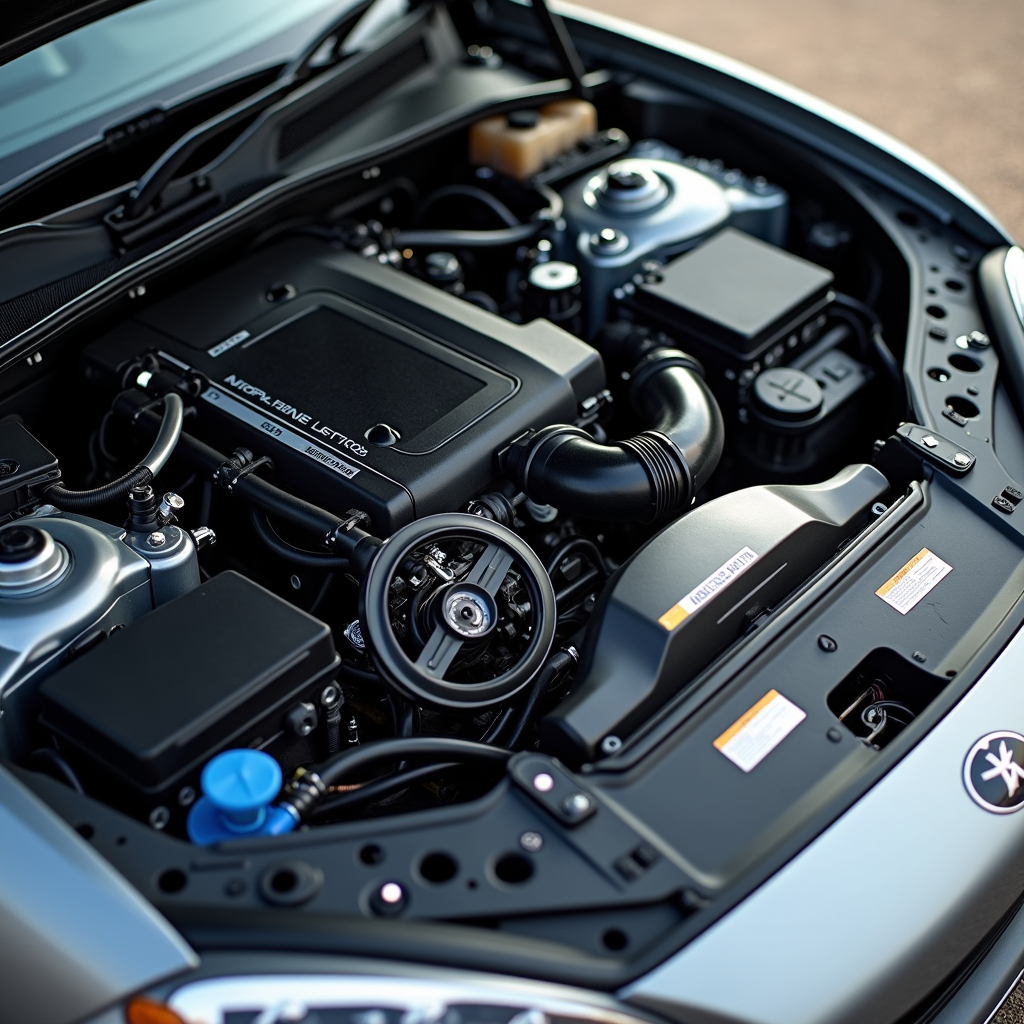
Step 3 — test drive (your inspection, before PPI)
Drive 30+ minutes covering: stop-and-go, highway cruising, hard acceleration, hard braking, turning at low speed (parking lot circles), highway lane changes.
What to feel for — 6 points
- Engine smoothness — idle, mid-RPM, redline. Misfires, rough idle, hesitation = compression or ignition issues.
- Transmission shifts — automatic should be smooth; CVT should be linear without flare; manual clutch should engage progressively.
- Brakes — pedal firm, no pulling left/right, no grinding, ABS engages predictably.
- Steering — centered, no pulling, no wandering, returns to center after turns.
- Suspension — smooth over bumps, no clunks, no excessive body roll in turns.
- Listen for — clicking from CV joints during turns, whining from differentials, hissing from vacuum leaks, exhaust leaks.
What to test — 4 points
- AC at full cold — cabin should reach 65-70°F within 5-10 minutes on a hot day.
- All driver-assist systems — adaptive cruise locks onto cars ahead, lane keep nudges back, automatic emergency braking warns then brakes (test at low speed in empty parking lot).
- Cruise control — engages, maintains speed, disengages with brake.
- Sound system — all speakers work, Bluetooth pairs, USB charges.
If anything fails the test drive, address it before PPI — you may not need to spend the inspection fee at all.
Step 4 — independent PPI
This is the core. Take the car to an ASE-certified independent mechanic — not the dealer, not the seller’s shop, not a quick-lube chain. AAA-certified shops and RepairPal-certified shops both meet quality standards.
What’s covered (typical 60-point inspection)
The mechanic puts the car on a lift and inspects:
Engine (15 points):
- Compression test (compression should be within 10% across cylinders)
- Cylinder leakdown
- Oil pressure
- Coolant pressure test
- All belts and hoses
- Mounts and bushings
- Visible leaks
- Air intake condition
- Spark plug condition (visual through plug holes)
- PCV system
- Vacuum leak check
- Idle quality
- Smoke from exhaust at startup
- Smoke from exhaust at acceleration
- Engine codes (OBD-II scan)
Transmission (8 points):
- Fluid condition and level
- Mounts
- Linkage/cables
- Shift quality
- Slipping under load
- Torque converter operation (automatic)
- Clutch wear (manual)
- Codes related to transmission
Suspension/Steering (10 points):
- All bushings
- Ball joints
- Tie rod ends
- Sway bar end links
- Struts/shocks
- Springs
- Power steering operation
- Alignment indicators
- Wheel bearings
- Steering rack condition
Brakes (8 points):
- Pad thickness (front and rear)
- Rotor condition (warping, scoring, thickness)
- Caliper operation
- Brake fluid condition
- Parking brake operation
- ABS sensors and operation
- Brake lines (rust, leaks)
- Master cylinder
Electrical (8 points):
- Battery state of charge
- Battery state of health
- Alternator output
- Starter draw
- Ground connections
- All exterior lighting
- All interior lighting
- All dashboard warnings clear
Body/Frame (6 points):
- Frame integrity (no welding/repair on critical structures)
- Unibody indicators
- Floor pan condition
- Rocker panels
- Subframe mounts
- Crumple zones
Other (5 points):
- Exhaust system condition
- Fuel system (no leaks, fuel pump operation)
- HVAC operation (heat, cool, defrost, recirculation)
- Wheel and tire condition
- Spare tire and jack present
What you receive
A written report listing:
- Items in good condition
- Items showing wear (advisory)
- Items needing repair soon (estimated cost and timeline)
- Items requiring immediate repair (deal-breakers or major price negotiation)

Negotiation after PPI
The PPI report is your negotiating tool. Three categories of findings:
-
Deal-breakers — frame damage, blown head gasket, transmission failure imminent, salvage indicators not on title. Walk away.
-
Major price-affecting items — brakes due ($600), tires due ($600), timing belt due ($800), CV axle replacement ($400). Ask for the seller to either fix or reduce price by full repair cost.
-
Minor advisory items — air filter dirty ($30), cabin filter dirty ($60), 1 wear-sensor approaching threshold. Note them; you’ll handle later.
The PPI mechanic’s repair estimates are usually conservative and the actual cost may be 70-90% of those at non-dealer shops. Negotiate using the PPI numbers; replace later at a more competitive shop.
If the seller refuses to negotiate based on legitimate PPI findings, decide whether the gap is worth walking away over. Most reasonable sellers will adjust at least partially.
Common red flags PPI catches
Six findings that should change your decision:
-
Frame damage or unibody welding evidence — major collision repair. Long-term reliability and resale dramatically impacted. Walk away unless price reflects this (rare).
-
Engine compression below 10% spec or uneven across cylinders — engine wear is significant. Either negotiate engine replacement reserve into price, or walk.
-
Transmission fluid burnt-smelling, dark brown — transmission overheated, failure may be imminent. Estimate $3,000-6,000 repair cost.
-
Oil contamination in coolant — head gasket failure imminent or in progress. $1,500-3,500 repair.
-
Catalytic converter codes (P0420 family) — converter near end of life. $800-2,000 replacement.
-
VIN mismatches between dashboard, engine bay, and door jamb — could indicate stolen vehicle or fraud. Walk away.
After purchase — first-week routine
After driving home:
- Change oil and filter (regardless of recent service — you don’t know how it was done)
- Replace cabin and engine air filters
- Top off all fluids
- Re-torque lug nuts after 50 miles
- Test all driver-assist systems in safe environment
- Update infotainment software if available
- Set tire pressures to door-jamb spec
- Schedule full fluid service at recommended interval
This baseline reset means you know the car’s true service state from day one.
Bottom line
A $150 PPI is the highest-ROI single step in used-car buying. It catches the issues that history reports miss, validates the seller’s claims, and gives you a written negotiation tool. The math overwhelmingly favors paying for it on every used car over $5,000.
For specific vehicle data, see the data-driven model analyses: Camry, Civic, and under-$25K SUVs. Whatever model you buy, the PPI process described above applies identically.
Pre-purchase inspection tools that catch hidden problems
Mechanic shop inspections cost $100-150 and can miss intermittent codes that show up only under load. These three tools let you screen any used car in 30 minutes before paying for the shop visit:
BlueDriver Professional OBDII Scan Tool (Bluetooth)
Price · $120-150 — reads enhanced manufacturer codes
+ Pros
- · Bluetooth pairs with iOS / Android — no separate display needed
- · Reads ABS, airbag, transmission codes beyond basic OBD-II
- · Pre-built repair reports from BlueDriver's 4M+ vehicle database
− Cons
- · Premium price vs basic $30 OBD readers
- · Subscription tier locks some advanced features
OBDLink MX+ OBD-II Scanner
Price · $140-180 — strongest live-data streaming
+ Pros
- · Real-time data streaming during test drive (RPM, throttle, MAF)
- · Supports CAN bus + manufacturer-specific protocols
- · More secure than budget Bluetooth alternatives (anti-sleep)
− Cons
- · Requires paid OBDLink app for full feature unlock
- · Slightly more complex setup than BlueDriver
Bayco LED Inspection Light with Magnetic Base
Price · $25-40 — see what shop techs see
+ Pros
- · Magnetic base sticks to engine bay or undercarriage
- · 200+ lumens reveals leaks and rust spots in poor light
- · Rechargeable — full charge supports 4-hour inspection
− Cons
- · Plastic body — drop carefully
- · No telescoping option — limited reach into tight spaces
The BlueDriver + inspection light combo screens any used car within 30 minutes. If you negotiate $200 off the listing based on a code you found, the BlueDriver pays for itself on the first car.