OBD-II Readiness Monitors: Pass an Emissions Test After Repairs
A practical 2026 guide to OBD-II readiness monitors, drive cycles, EVAP delays, battery resets, and what to verify before an emissions inspection.
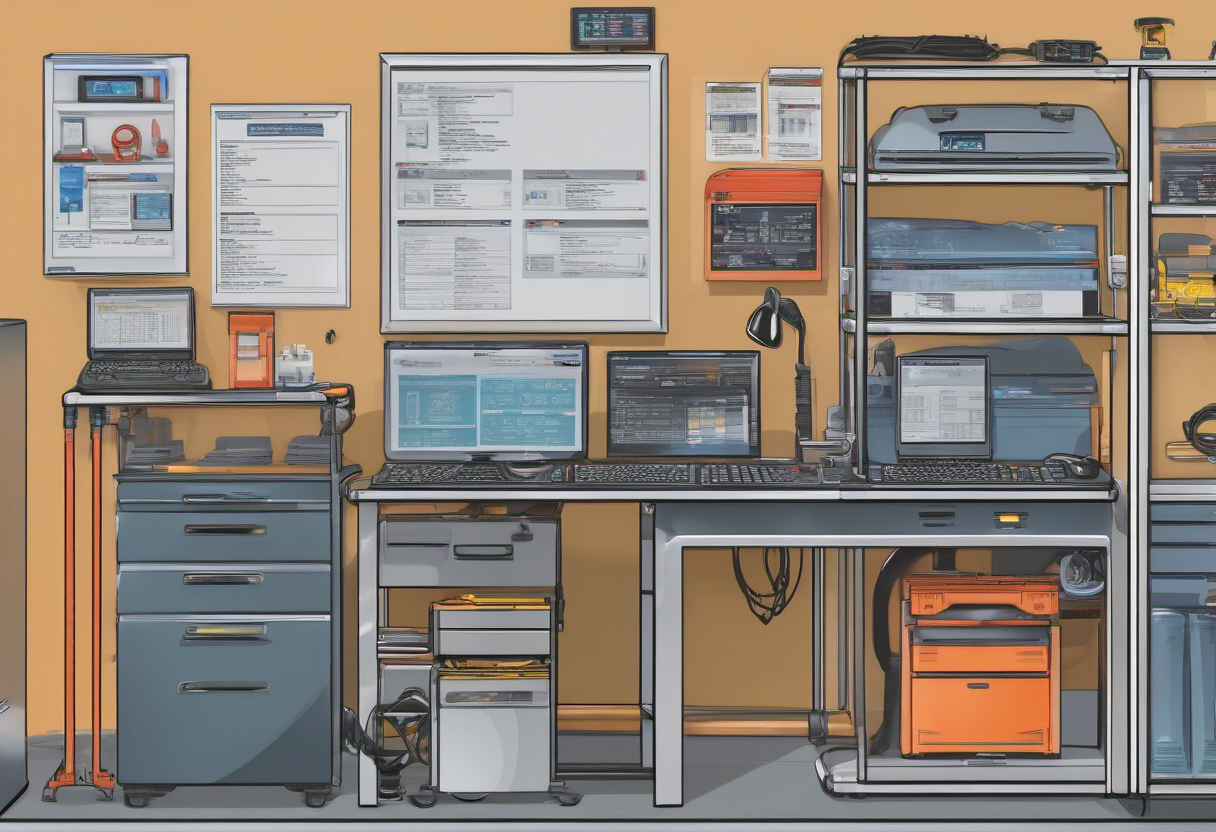
An emissions test after a repair is not really a test of how many miles you drove. It is a test of whether the vehicle’s on-board diagnostics have seen the right conditions to judge the emission-control systems. That distinction matters because a car can feel perfect, show no check engine light, and still be rejected as “not ready” at the inspection station. The powertrain computer may simply be saying: I have not completed enough self-checks since the last reset.
This guide is for the common real-world situation: the check engine light was fixed, the battery was replaced, a shop cleared codes, or you bought a used car and need to pass inspection without wasting a morning in the lane. The goal is not to trick the system. The goal is to confirm the repair, avoid premature testing, and understand why some monitors finish quickly while others need a very specific drive pattern.
What readiness monitors actually measure
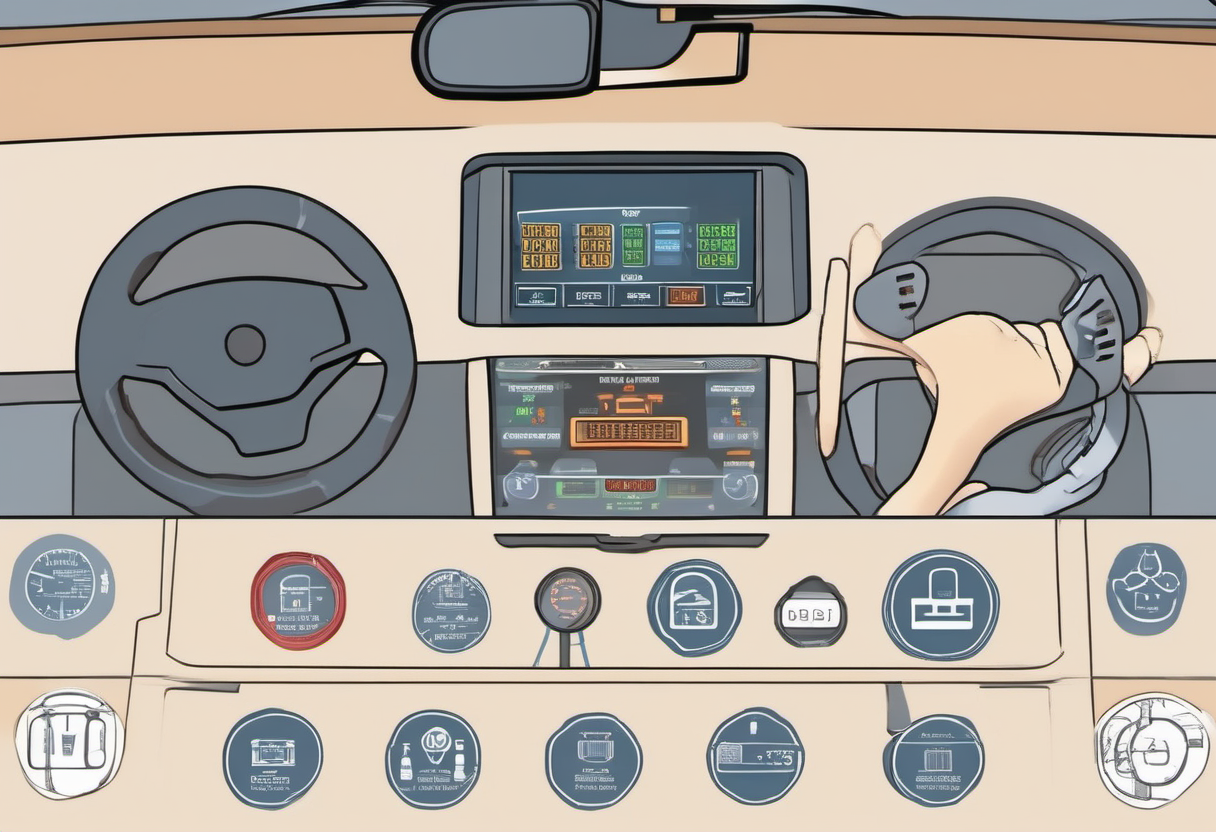
OBD-II readiness monitors are software self-tests for emissions-related systems. Depending on the vehicle, they can include catalyst efficiency, oxygen sensor performance, oxygen sensor heater operation, evaporative emissions control, exhaust gas recirculation, secondary air injection, heated catalyst, comprehensive components, fuel system, and misfire detection. Not every vehicle supports every monitor. A late-model gasoline car, a hybrid, a diesel, and an older 1996-era vehicle can show different supported monitors.
The important words on a scan tool are usually complete, incomplete, and not supported. Complete means the computer ran that monitor and did not currently find a fault severe enough to set the relevant diagnostic trouble code. Incomplete means the computer has not yet run the test since the last reset. Not supported means that monitor does not apply to that vehicle; it should not be treated as a failure by itself.
Inspection programs vary by state, model year, and vehicle type, but the general idea is consistent: the car’s computer must not command the malfunction indicator lamp on, must not show disqualifying emissions codes, and must have enough readiness monitors complete. Many programs allow a small number of incomplete monitors on older vehicles and fewer incomplete monitors on newer vehicles. Because the exact allowance is state-specific, the safe operational rule is simple: get all supported monitors complete when practical, and verify the local allowance only if one stubborn monitor remains.
The reset trap: why clearing codes can make a good repair fail
Clearing codes is sometimes necessary after a confirmed repair, but it is not harmless. A code clear usually erases confirmed trouble codes, pending codes, freeze-frame information, and monitor readiness status. Disconnecting the battery, replacing a weak battery, reflashing a control module, or losing keep-alive memory can have a similar effect. The dashboard may look clean because the light is off, yet the inspection computer sees a recent reset.
That is why “I drove 50 miles” can be the wrong metric. If the 50 miles were all short trips in cold weather with the fuel tank nearly full, the EVAP monitor might not run. If the route never included steady cruise or deceleration events, the catalyst or oxygen sensor monitors may remain incomplete. If the thermostat is lazy and coolant temperature never stabilizes correctly, monitors can delay because the engine never reaches the expected operating window.
Before you clear anything, capture the diagnostic trouble code, freeze-frame data, fuel level, coolant temperature, speed, load, and whether the code was pending or confirmed. If a shop performs the repair, ask for the before-and-after code list and readiness status. That record helps distinguish a successful repair waiting for monitors from a fault that immediately returns.
The practical pre-inspection workflow
A reliable emissions workflow has four stages: diagnose, repair, reset only when needed, then verify readiness. Skipping the verification step is what causes repeat inspection visits.
- Scan before touching parts. Record confirmed codes, pending codes, permanent codes where applicable, and freeze-frame conditions. A P0420 catalyst code, a P0455 EVAP gross leak, and a P0171 lean code can all illuminate the same check engine light, but they do not have the same repair path.
- Fix the cause, not the lamp. A loose gas cap, cracked intake boot, weak battery, exhaust leak, thermostat problem, or lazy oxygen sensor can each prevent monitors from completing. Replacing a sensor because its name appears in a code is not diagnosis.
- Clear codes only after the repair decision. Some systems need a code clear to rerun monitors cleanly; others can self-clear the light after successful trips. If you clear, accept that readiness will need to be rebuilt.
- Drive a mixed route. Include cold start, warm-up, steady cruise, moderate acceleration, deceleration without braking where safe, and normal city operation.
- Rescan before inspection. Confirm supported monitors are complete, the malfunction indicator lamp is off, confirmed codes are absent, and pending codes are not reappearing.
For a deeper diagnostic order before parts are purchased, pair this workflow with the site’s check-engine-light diagnostic process. The readiness step comes after diagnosis; it does not replace diagnosis.

A realistic drive cycle, not an internet ritual
Manufacturer drive cycles can be precise, and service information is the authority for a specific model. In the real world, many owners do not have a closed course, exact ambient conditions, or the patience to follow a laboratory script. A practical readiness route tries to create the same categories of operating conditions without unsafe driving.
Start with the vehicle cold after sitting overnight if possible. Make sure the fuel tank is in a normal middle range, not just topped off and not near empty. Start the engine without immediately revving it, allow a short idle, then drive gently until coolant reaches normal operating temperature. Use several minutes of steady suburban or highway cruise, ideally at moderate speed, followed by safe deceleration periods where you lift off the accelerator. Add stop-and-go driving, another steady cruise segment, and a complete cool-down soak before the next trip.
Do not perform strange maneuvers in traffic. Do not coast in neutral, speed, tailgate, or stare at a scan tool while driving. If a helper watches live data, the driver should focus on the road. The point is to give the computer representative conditions: cold start, closed-loop fuel control, stable cruise, oxygen sensor switching, catalyst warm operation, purge events, and deceleration fuel cut where appropriate.
A typical two-day plan is often more successful than one frantic loop. Day one builds warm-up, fuel-system, misfire, oxygen-sensor, and catalyst opportunities. An overnight soak creates better conditions for EVAP logic on day two. After each drive, rescan. If the same monitor remains incomplete after several appropriate trips, stop guessing and investigate the enabling conditions.
Why EVAP readiness is the stubborn one
The evaporative emissions system checks whether fuel vapors are contained and routed correctly. That sounds simple until you look at the conditions. Many vehicles will not run the EVAP monitor if the tank is too full, too empty, the ambient temperature is outside a programmed window, the vehicle did not sit long enough, the previous trip was too short, or the computer sees a fuel-level or temperature signal it does not trust.
Small leaks also behave differently from gross leaks. A missing fuel cap can trigger a large-leak code quickly. A tiny hose crack, rusty filler neck, loose purge valve, or weak vent valve may pass sometimes and fail under specific temperature or pressure conditions. Topping off the tank after the pump clicks can add another problem by saturating vapor-management components.
If EVAP is the only incomplete monitor, first verify your state’s allowance for your model year. Some inspection programs allow one incomplete non-continuous monitor; others are stricter for newer vehicles. If EVAP must be complete, keep the tank around one-quarter to three-quarters, stop topping off, let the car sit overnight, and drive normally through a cold-start warm-up and steady cruise. If a pending EVAP code appears, diagnose the leak rather than continuing to drive loops.
Permanent codes, pending codes, and why the light can stay off
A confirmed code is not the only status that matters. Pending codes can show a fault that has been detected once but has not matured enough to command the light. Permanent codes, used on many vehicles, are designed to remain after a simple code clear until the system verifies that the fault is no longer present under the correct conditions. Inspection treatment varies, but permanent emissions codes are a warning that the car may not be ready even if the dash is quiet.
This is why a scan tool should show more than the big generic code number. At minimum, look at readiness, confirmed codes, pending codes, permanent codes, and freeze-frame data. A stronger tool can show live fuel trims, oxygen sensor behavior, catalyst temperature estimates, purge command, misfire counters, and mode $06 test results. For most owners, buying a reliable reader that displays readiness clearly is more useful than repeatedly paying for failed inspection attempts.
Avoid the temptation to clear codes repeatedly. If a pending code comes back after the repair, the vehicle is telling you the fault is still plausible. Repeated clearing resets the evidence and the monitors. It does not create a durable pass.
Battery and charging issues can masquerade as readiness problems
A weak battery or unstable charging system can quietly sabotage readiness. Low voltage during start, recent battery replacement, corroded terminals, or a module memory loss can reset learned values and readiness flags. Some monitors may also delay if voltage is outside the expected range. If a car recently needed a jump-start, treat readiness as suspect until verified.
Before inspection season, check battery age, terminal condition, charging voltage, and whether the vehicle has had any recent electrical work. If the battery must be replaced, do it before beginning the readiness drive cycle, not the night before the appointment. A memory saver can preserve some settings during replacement, but it is not a substitute for a scan-tool readiness check.
This is especially relevant when evaluating a used car. A seller can present a vehicle with no visible warning light after a battery disconnect or code clear. During a pre-purchase inspection, readiness status is a valuable clue. Multiple incomplete monitors on a warmed-up vehicle may mean innocent battery service, but it can also mean someone reset codes before the sale.
State rules: local limits beat generic advice
The internet often says “one monitor can be incomplete” as if it applies everywhere. That is not safe. Inspection rules differ by jurisdiction, model year, fuel type, and sometimes by which monitor is incomplete. California, New York, Massachusetts, Oregon, Illinois, and other programs publish motorist or technician guidance, but the exact practical result still depends on the test equipment and vehicle profile.
Before you schedule the test, check your state’s official emissions program page. Look for the allowed number of incomplete monitors, whether EVAP is treated differently, how permanent codes are handled, and whether there are exemptions for older vehicles. If the state allows one incomplete monitor and your only incomplete monitor is EVAP, you may choose to test. If the state requires full readiness for your model year, keep diagnosing.
Also remember that emissions readiness is separate from safety condition. A vehicle can be emissions-ready and still unsafe because of tires, brakes, steering, lighting, or structural issues. Keep the inspection goal in perspective: passing the OBD check means the emissions computer is satisfied, not that the entire vehicle is in excellent condition. Tire pressure and basic maintenance still matter; the portable tire inflator guide is a useful companion for routine road-readiness.

A checklist before you go to the lane
Use this checklist the day before inspection, not in the parking lot.
| Check | Pass condition | Why it matters |
|---|---|---|
| Malfunction indicator lamp | Off with key-on bulb check working | A commanded lamp is usually an automatic emissions failure. |
| Confirmed codes | None relevant to emissions | Current faults must be fixed before readiness matters. |
| Pending codes | None returning after repair | Pending faults can mature during or after the test. |
| Readiness monitors | Within your state’s allowance, ideally all complete | Incomplete monitors cause rejections even without a light. |
| Fuel level | Normal middle range | EVAP may not run at very high or very low fuel levels. |
| Battery condition | Stable voltage, no recent reset | Voltage problems can reset readiness or delay monitors. |
| Fuel cap and filler neck | Cap seals, no obvious damage | Simple EVAP leak sources are common and cheap to correct. |
| Repair records | Codes and freeze frame saved | Helps if a monitor or permanent code needs explanation. |
If any item is uncertain, rescan after another normal trip. The cost of waiting one day is usually lower than a failed test, a retest fee, or an unnecessary part.
When to stop driving and diagnose
More miles do not solve every incomplete monitor. Stop the drive-cycle loop and diagnose when a pending or confirmed code returns, when fuel trims are far from normal, when coolant temperature never reaches the expected range, when the oxygen sensors do not switch as expected, when the EVAP monitor refuses to run after correct fuel level and overnight soak conditions, or when a permanent code remains after repeated appropriate trips.
For catalyst codes, do not assume the catalytic converter is bad before checking exhaust leaks, misfires, oil consumption, coolant consumption, lazy oxygen sensors, and fuel-control problems. For oxygen sensor heater monitors, check fuses, wiring, and heater circuit behavior. For EVAP, smoke testing is often faster than guessing caps, valves, and hoses. For misfire monitors, address ignition, fuel, compression, and vacuum issues before worrying about readiness.
The expert move is to use readiness as a diagnostic milestone. If the repair is correct and enabling conditions are met, the monitor should eventually complete. If it does not, the incomplete monitor is information: either the enabling conditions are missing, a related sensor input is implausible, or the original fault is still present.
Bottom line
Passing an OBD-II emissions inspection after repairs is about sequence. Diagnose the fault, repair the cause, avoid unnecessary resets, drive conditions that let the monitors run, then verify readiness with a scan tool before the official test. The most common failure is not a complicated emissions mystery; it is going to the lane before the vehicle has finished its own self-checks.
A clean dashboard is encouraging, but readiness status is the evidence. If you treat the scan tool as your preflight checklist, you will avoid the classic loop of clearing codes, driving random miles, failing as not ready, and starting over with less information than you had before.