Back-to-School Teen Driver GDL and Parent Checklist
A practical U.S. family plan for checking graduated-driver rules, setting passenger and night limits, and building supervised practice before school routines begin.
The first weeks of school create a difficult combination for a newly licensed driver: an earlier wake time, a fixed arrival deadline, unfamiliar pickup patterns, more pedestrians, and social pressure to carry friends. The safest response is not a longer list of warnings. It is a small operating system the family can actually use: verify the law, limit the riskiest situations, practice the exact route, and define what happens when the plan breaks.
This guide is for U.S. families preparing a learner or newly licensed teen for a school commute. It does not replace the teen’s permit conditions, state graduated driver licensing rules, insurance contract, school traffic rules, or instruction from a qualified driving professional. Because state rules and a teen’s license stage can change, verify them on the issuing state motor-vehicle agency website before the first school trip.
Start with the legal floor, then set the household ceiling
Graduated driver licensing, or GDL, phases in driving privileges rather than granting every privilege at once. Common elements include a learner period, supervised practice, an intermediate stage with night or young-passenger limits, and later unrestricted licensing. The exact ages, hours, exceptions, passenger definitions, and enforcement rules vary by state. The IIHS state law table is a useful comparison, but the family’s final check should be the current licensing agency page for the state that issued the permit or license.
Write down five facts, with the source page and date checked:
- Current license stage and expiration date.
- Required supervising-driver age and seating position.
- Night-driving start and end times, including any school or work exception.
- Young-passenger limit and how family members are treated.
- Phone, seat-belt, practice-hour, and documentation rules.
Do not turn an exception into the default plan. A school or work exception to a night restriction may permit a necessary trip; it does not make late-night driving low-risk. The CDC’s teen-driver risk summary identifies inexperience, nighttime driving, teen passengers, distraction, speeding, impairment, and inconsistent restraint use as important crash risks. A household can therefore be stricter than the legal floor: daylight-only commuting at first, no peer passengers, and no optional trips when sleep or weather is poor.
Build a one-page school driving agreement
A useful agreement is short enough to remember and specific enough to enforce. The CDC parent-teen driving agreement is a practical starting point. Customize it to the actual school route rather than copying generic promises.
| Decision | Family rule to write down | Trigger for a pause or reset |
|---|---|---|
| Passengers | No peer passengers during the first school-commute phase, even if state law allows one | An unplanned rider asks for a lift |
| Phone | Route and audio set while parked; phone placed out of reach | Message, call, or route change needs attention |
| Time | Depart with a fixed buffer; arriving late is acceptable if the alternative is rushing | Departure is later than the agreed cutoff |
| Weather | Parent and teen review conditions before leaving | Heavy rain, ice, poor visibility, or active warning |
| Sleep | Teen self-reports sleep and alertness honestly | Repeated yawning, illness, medication effects, or very short sleep |
| Vehicle | Fuel/charge, tires, lights, glass, and warning lamps checked | New warning light, low tire, visibility problem, or unusual noise |
| Mistakes | Pull over safely and call; no punishment for choosing not to continue | Wrong turn, panic, conflict, fatigue, or vehicle concern |
Consequences should be predictable and tied to skill. A missed check might mean returning to supervised trips for several days, not an improvised argument in the driveway. Rewards should also be predictable: wider time windows or a necessary passenger only after a defined period of clean, calm trips and successful supervised practice.

Calculate a realistic departure buffer
“Leave early” is too vague. Use a repeatable buffer based on the route rather than a best-case map estimate.
Departure time = school entry time − normal travel time − parking/walk time − variability allowance.
Suppose doors close at 7:45 a.m., the normal drive is 18 minutes, parking and walking take 7 minutes, and the family wants a 10-minute variability allowance. The departure target is 7:10 a.m.: 7:45 − 0:18 − 0:07 − 0:10 = 7:10.
The allowance is not permission to speed. It absorbs a missed light, a slow queue, time to clear fogged glass, or the decision to wait for a pedestrian. Measure three supervised weekday runs and use the slowest normal result, not the fastest. Increase the allowance during the first two weeks, on wet mornings, or when school traffic patterns change.
A simple rule helps under pressure: if the teen misses the cutoff, the goal changes from “arrive on time” to “arrive safely or use the backup ride.” Families should agree that a late arrival will not be punished in a way that rewards speeding or risky gap selection.
Practice by hazard, not only by hours
A practice log that says “60 minutes” tells little about skill coverage. Divide the school route into observable tasks and score each as introduced, needs coaching, or repeatable without prompts.
- Smooth starts, stops, and speed control.
- Full visual scan at intersections before moving.
- Safe following interval and early braking.
- Lane position on curves and narrow streets.
- School-zone speed transitions.
- Crosswalk, bicycle, bus, and parking-lot scanning.
- Gap selection for turns and merges.
- Correct response to a wrong turn.
- Parking, backing, and final pedestrian check.
- Dusk, darkness, glare, and light rain after daylight competence.
The NHTSA teen-driving guidance emphasizes the parent’s role in modeling and enforcing safe behavior. The supervising adult should buckle up, put the phone away, avoid coaching with anger, and avoid asking the teen to perform a maneuver the adult would not attempt safely.
Use short sessions with one main objective. A 25-minute session focused on intersections can be more useful than a two-hour trip that mixes darkness, highways, heavy rain, and peer conversation. End while attention is still good. Debrief after parking: one thing controlled well, one specific improvement, and the exact place to practice it again.
Use a risk budget for each trip
Risk factors stack. A newly licensed driver on a familiar dry route in daylight is not facing the same workload as a tired driver carrying two friends in rain after dark. Make this visible with a simple planning score. This is a household decision aid, not a scientifically validated crash predictor.
Assign one point for each condition: darkness or dawn glare; poor weather or visibility; unfamiliar route or detour; peer passenger; sleep loss, illness, or medication concern; time pressure; unfamiliar vehicle; or high-conflict emotional state.
A practical household rule might be: zero or one point can proceed under current privileges; two points require an adult review and perhaps supervision; three or more means use the backup plan. Do not use the score to override any law, weather warning, impairment concern, or unsafe vehicle condition. One severe condition can be enough to cancel a trip.
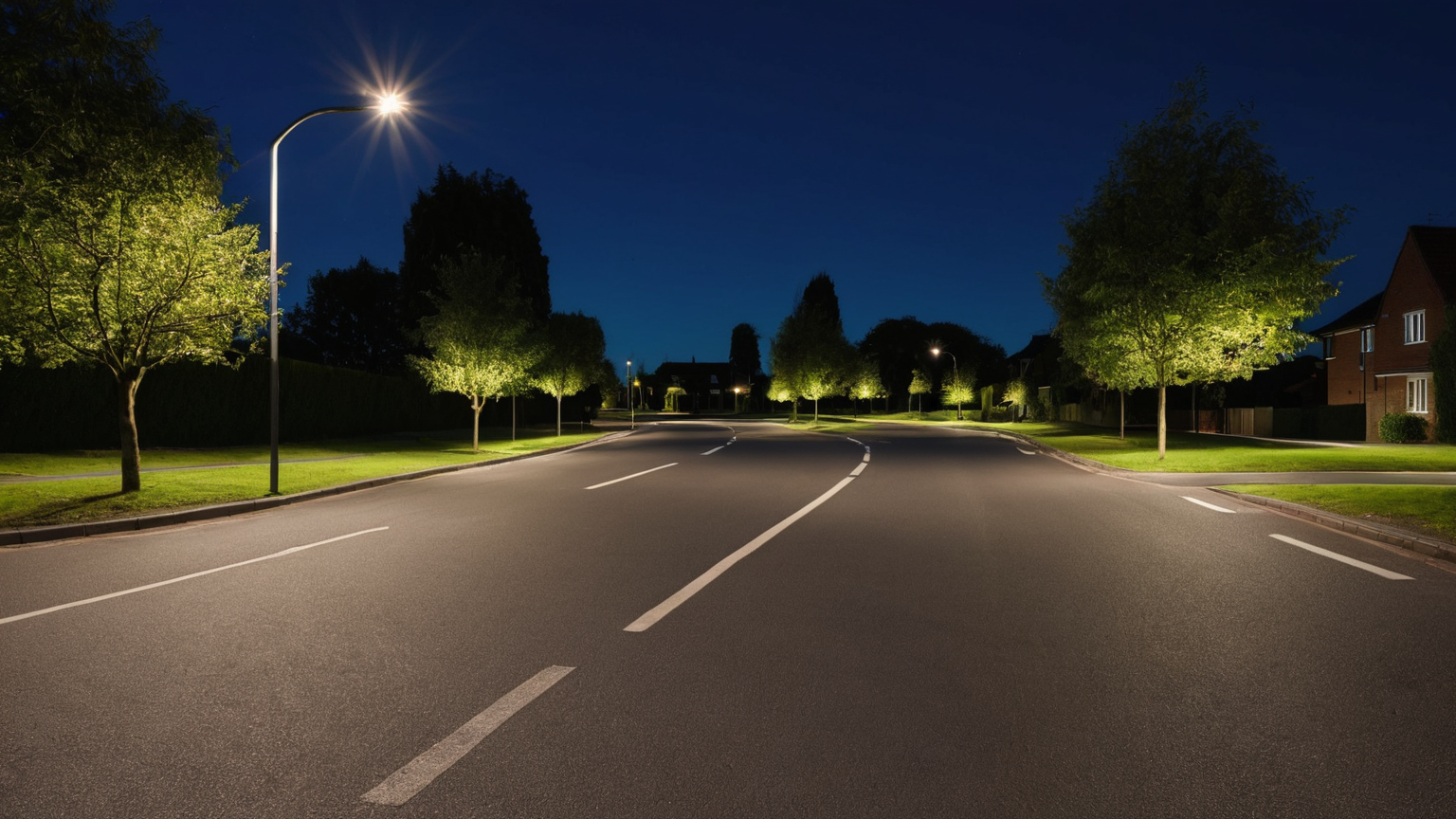
Nighttime deserves special treatment. IIHS notes that crash risk is particularly high for teenagers and that graduated licensing reduces exposure to higher-risk conditions while experience develops (IIHS: Teenagers). Begin with a short familiar route at dusk with an adult, then repeat in full darkness only when the teen can manage speed, mirrors, glare, lane position, and scanning without rushed prompts. Practice glare response separately before combining it with an unfamiliar school route.
Make distraction control physical
A promise not to text is weaker than an environment that makes interaction unnecessary. The NHTSA distracted-driving overview describes distraction as taking attention away from driving; texting combines visual, manual, and cognitive demands.
Before moving, enter the destination, review the first two turns, set climate and audio, enable spoken navigation if needed, activate Do Not Disturb, and store the phone out of reach. A passenger may manage messages without showing the screen to the driver. If the driver needs the device, the driver pulls into a lawful safe place and parks.
A phone mount is not a license to interact with the screen, and state novice-driver rules may prohibit uses general adult rules permit. The family rule should be observable: the device is configured before departure and untouched while the vehicle is moving or stopped in traffic.
Treat passengers as a separate skill stage
Peer passengers can add conversation, social pressure, navigation requests, and an audience for risk-taking. Keep the first school-commute phase passenger-free even when the law permits one. When the teen has demonstrated consistent scanning and speed control, introduce one calm passenger on a short familiar daylight trip with adult supervision if lawful.
Passengers buckle before movement. NHTSA describes seat belts as a primary defense in a crash (NHTSA seat-belt guidance). They should keep conversation low during complex traffic, never encourage speeding or phone use, avoid shouting last-second directions, and accept a safe stop or delay without argument.
The driver remains responsible for the decision to move. If the cabin becomes disruptive, the teen should pull over at a safe lawful location and call the parent. That escape route must be consequence-safe, or the teen may hide the problem.

Check alertness before checking the clock
An early school schedule can produce drowsy driving without an all-night event. NHTSA’s drowsy-driving guidance states that adequate sleep is the only true protection; opening a window or turning up music is not a substitute.
The teen does not drive if struggling to stay awake, repeatedly yawning, unable to focus, feeling effects of alcohol or impairing drugs, or taking a medication that makes driving unsafe. Check the medication label and ask a pharmacist or clinician when uncertain. Never calculate an acceptable amount of alcohol or cannabis for a teen driver; the plan is no impaired driving and a no-questions-asked ride option.
The backup plan should name alternatives: parent ride, another approved adult, school transport, transit, a family-approved ride service, or an excused late arrival. Save relevant numbers before the first trip.
Perform a two-minute vehicle readiness check
The teen does not need to diagnose the vehicle, but should recognize a reason not to leave.
- Walk around for a visibly low tire, fluid puddle, broken lamp, or object near the vehicle.
- Confirm windshield and mirrors are clean and clear.
- Verify fuel or charge is sufficient for the round trip plus a margin.
- Start the vehicle and observe whether a red warning remains illuminated.
- Make sure every occupant has a working belt.
- Confirm loose bags and bottles cannot roll near the pedals.
- Check that emergency contacts and basic roadside supplies are present.
For deeper preparation, use our emergency roadside kit guide, 12-volt battery failure test plan, and tire tread and wet-braking checklist. A warning light, steering or brake concern, damaged tire, or obstructed view is a stop-and-call condition, not a teaching opportunity on the school run.
Rehearse the school arrival and departure zones
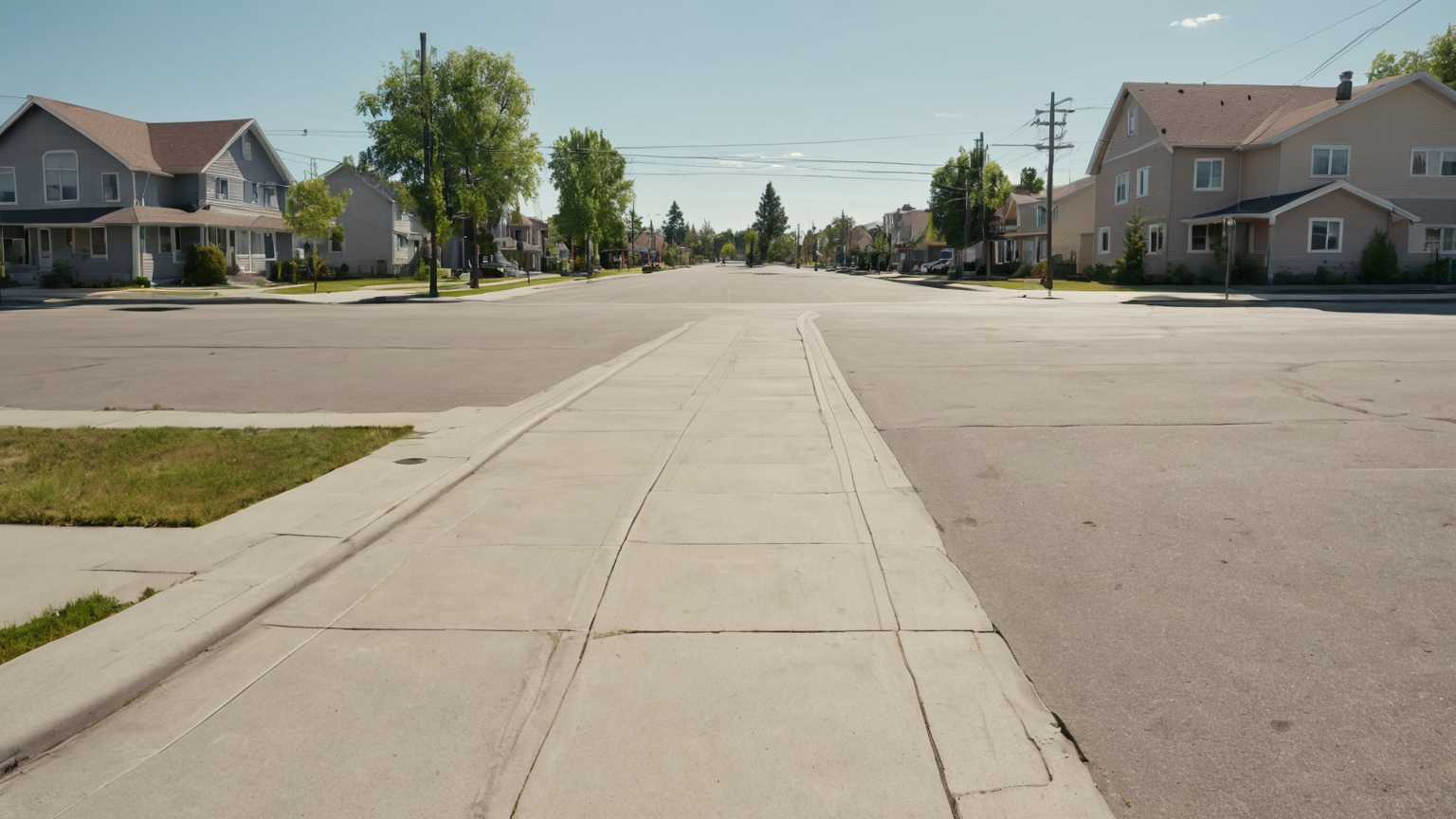
The final half-mile may be the most complex part of the route. Practice it at the same weekday time with an adult before solo driving. Identify the correct entrance, permitted turn direction, bus lane, student parking route, crosswalks, bicycle movement, pickup queues, and a safe place to recover from a missed turn.
A school driveway is not the place for an improvised U-turn, curbside stop, or reverse maneuver into pedestrian flow. If the teen enters the wrong lane, continue, exit safely, and re-approach. Our parking-lot pedestrian and backover plan covers the slow-speed scanning pattern in detail.
Ask the teen to narrate the scan during supervised practice: “mirror, crosswalk, near curb, far curb, turn path.” Narration should fade as the process becomes consistent, but it gives the adult evidence of what the teen sees rather than what the adult assumes.
Run a weekly ten-minute review
During the first month, review the log once a week while everyone is calm. Ask which trip felt hardest, whether there were unplanned passengers or late departures, which condition needs supervised practice, whether the agreement needs a clearer rule, and whether the vehicle developed a maintenance concern.
Do not expand privileges merely because a calendar interval passed. Expand them when the teen has repeated the relevant skill without prompts and the change remains lawful. Conversely, one honest call for help is evidence that the safety system worked, not automatic grounds for punishment.
Bottom line
A safe school commute is a managed progression, not a milestone unlocked by receiving a license. Verify the current state rule, practice the exact route, remove phone interaction, delay peer passengers, use a departure buffer, and keep a backup ride available. The goal is not perfect driving on day one. It is a system in which the teen can recognize rising risk, stop before several hazards stack, and ask for help without hesitation.